May 31, 2026 · 37 min · 11 segments
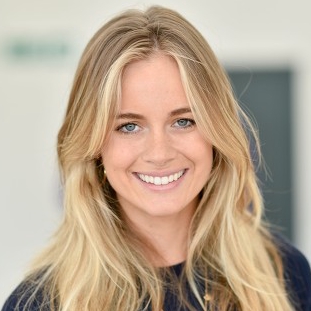
🌸 Cressida and Isabella are joined by singer-songwriter Nerina Pallot. 🌸 Nerina reflects on her relationship with her mother, including the challenges they faced during her teenage years, and the…
Nerina PallotGuest
Isabella BransonHost
When you write music, does all that from your childhood come up when you're thinking about the lyrics and when you're feeling them?

Whether I'm writing directly about that subject matter, I've written about it once or twice, but I think that sense of melancholy that I think a lot of writers have, I don't know any ...

I mean, maybe they exist, but I've never met a happy writer or songwriter [laughs].

You know? I just don't think people are driven to write from a place of happiness.

Maybe I'd have been melancholy as a kid anyway, but I think that situation, that longing for belonging, I guess, is what made me a writer, and it's imbued the sort of subject matter I go towards.

And then it's compounded by the fact that over the years, you know, I'm 25 years into my career, and I've met a lot of people, a m- a lot of my fans who've told me why they like my music and what it is, and they tell me their stories.

So the work itself has become this sort of document, not just of my melancholy, but other people's feelings.

I do think that my family situation is probably what made me a writer, definitely.

I spent a lot of time up in my room, and I felt because I couldn't talk about my family situation at school, I was terrified of anybody finding out that my parents weren't married, which is bananas, but it was a big deal for me as a child.

And so I think as a person, I'm quite buttoned up, and I've had to learn over the course of 52 years that it's okay to talk about your feelings.

We have read that you said that you're waiting to sort of write or channel your own Bridge Over Troubled Water, and I wondered whether you had feel like you've written that yet, and what that means to you.

And also this idea of channeling songs, sort of ideas in the ether that you kind of pick up and channel your c- creativity.

The idea that work is already out there in, like, a parallel creative universe, and those of us who make work are just happy, lucky recipients one day.

I think if you talk to anybody across any creative discipline, I think whenever we make good work, we feel like we had nothing to do with it.

We're in the right head space or the right sort of emotional space to be receptive.

And I think I've done it once or twice in my life, but the rest of writing often feels like a hard slog.

And I also think that all creative people, we never want to feel like our best work is behind us.

When you write music, does all that from your childhood come up when you're thinking about the lyrics and when you're feeling them?

Whether I'm writing directly about that subject matter, I've written about it once or twice, but I think that sense of melancholy that I think a lot of writers have, I don't know any ...

I mean, maybe they exist, but I've never met a happy writer or songwriter [laughs].

You know? I just don't think people are driven to write from a place of happiness.

Maybe I'd have been melancholy as a kid anyway, but I think that situation, that longing for belonging, I guess, is what made me a writer, and it's imbued the sort of subject matter I go towards.

And then it's compounded by the fact that over the years, you know, I'm 25 years into my career, and I've met a lot of people, a m- a lot of my fans who've told me why they like my music and what it is, and they tell me their stories.

So the work itself has become this sort of document, not just of my melancholy, but other people's feelings.

I do think that my family situation is probably what made me a writer, definitely.

I spent a lot of time up in my room, and I felt because I couldn't talk about my family situation at school, I was terrified of anybody finding out that my parents weren't married, which is bananas, but it was a big deal for me as a child.

And so I think as a person, I'm quite buttoned up, and I've had to learn over the course of 52 years that it's okay to talk about your feelings.

We have read that you said that you're waiting to sort of write or channel your own Bridge Over Troubled Water, and I wondered whether you had feel like you've written that yet, and what that means to you.

And also this idea of channeling songs, sort of ideas in the ether that you kind of pick up and channel your c- creativity.

The idea that work is already out there in, like, a parallel creative universe, and those of us who make work are just happy, lucky recipients one day.

I think if you talk to anybody across any creative discipline, I think whenever we make good work, we feel like we had nothing to do with it.

We're in the right head space or the right sort of emotional space to be receptive.

And I think I've done it once or twice in my life, but the rest of writing often feels like a hard slog.

And I also think that all creative people, we never want to feel like our best work is behind us.
The rest of this transcript — segmented and speaker-labeled, so you land on the exact moment something was said
Search every transcript — by keyword, by phrase, or by meaning, across every show Radar indexes
Trends — what is surging across podcasts, measured against its own baseline
Alerts — when a name you follow appears in a newly indexed episode
No account is needed to search Radar.