Jul 9, 2026 · 1 hr 42 min · 15 segments
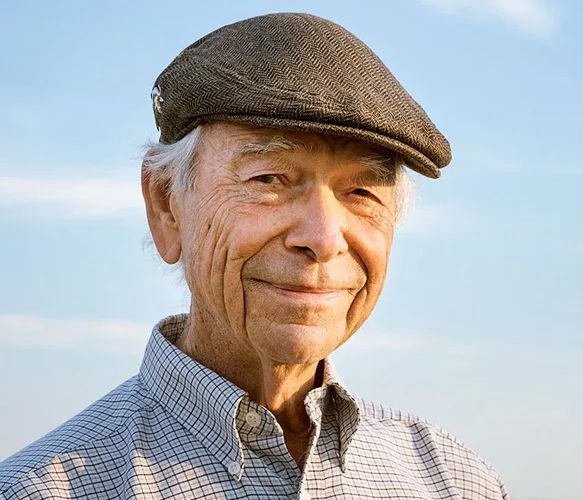
Dr. Fred Provenza is a professor emeritus of Behavioral Ecology at Utah State University and a pioneering researcher in livestock behavior, foraging ecology, and nutritional wisdom. Raised in Salida…
Fred ProvenzaGuest
Kyle KingsburyHost
It's, it's funny because, y- I don't know, like, the world's changing so rapidly and so quickly, and I grew up in the city in Silicon Valley, and that's changed rapidly since my birth until now by a long shot.

My buddies would work at Northstar, and I'd come up for a couple weeks and stay there and go snowboarding, and Lake Tahoe in the summertime was absolutely pristine and beautiful, so we'd get mountains, altitude, you know, get out on the lakes and water ski, things like that, go to Santa Cruz to the beach.

There was just so much there and, and so many places to hike, and I always loved that.


I was always the little guy, you know? I'd stay back at camp and help, you know-

... eat, eat the backstrap if we got lucky, that kind of thing, but I was always interested in it.

And, um, the, the type of life you're describing though, to me, is, is something that I'm trying to carve back a piece of for my kids because I feel like more than ever, with more and more people moving to cities and, and, and that, that that's just something that most kids don't even know exists, you know? And that's, that's a sad thing to think about it that way because I imagine, you know, your level of connection to nature was just...

does a fish recognize it's in water or not? Like, you were just immersed in the thing, and so many kids now, you know, they, they...

They would be, you know, a stranger in a strange land if you took them to the woods, [laughs] you know?

I, I, you know, so I often think, "Well, is it just because I'm getting old?" [laughs] You know, I mean, I'm...

But I, uh, I think that we truly lose our humanity when I- we lose our contact with the natural world, both physically and spiritually.

And you're right when you said, you know, it wasn't something you were thinking about or anything.
The rest of this transcript — segmented and speaker-labeled, so you land on the exact moment something was said
Search every transcript — by keyword, by phrase, or by meaning, across every show Radar indexes
Trends — what is surging across podcasts, measured against its own baseline
Alerts — when a name you follow appears in a newly indexed episode
No account is needed to search Radar.