

INSIGHTFUL1:15
Honoring Veterans Through Realism
Why realism mattered from the very beginning

May 28, 2026 · 32 min · 12 segments
THE TERMINAL LIST: DARK WOLF features some of the most authentic military action on modern television all because of the insistence of its Stunt Coordinators to stay as true to life as possible to…
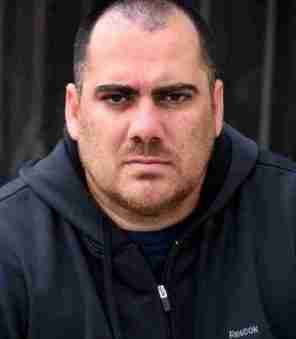
 Thom Khoury WilliamsGuestJeff VitaHost
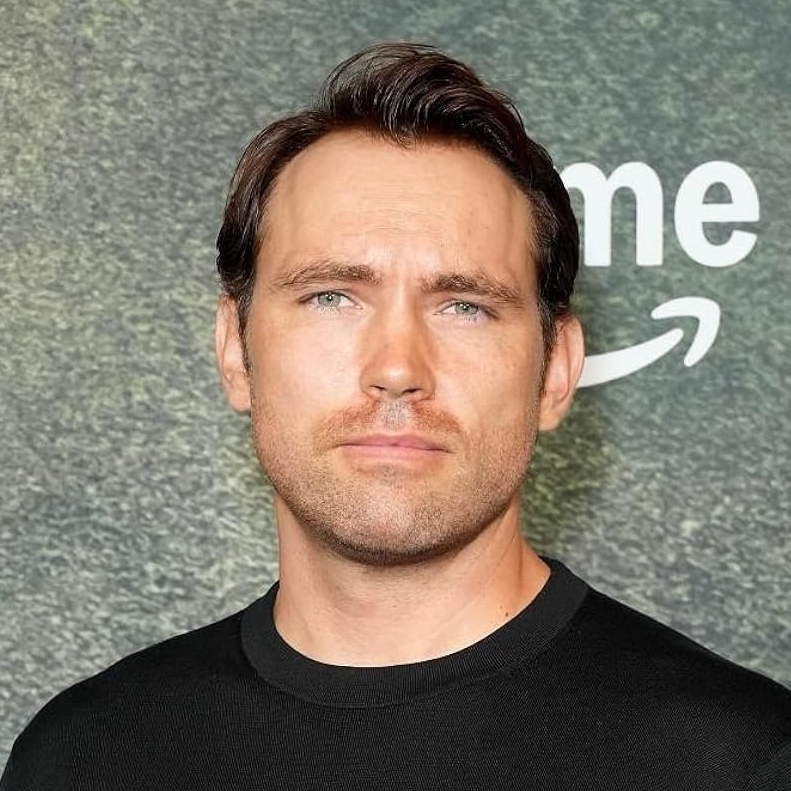
 Chris RomrellGuest
Um, talk to me a little bit about what... uh, why it was important for it to feel as real and as grounded, uh, as you guys seem to have made it.

Yeah, we've, we've said it before, and it can't be said enough, the, the show is built around honoring our veterans and, and doing them service by making everything as realistic and as awesome as possible.
You know, the, the last thing we want is these guys and gals watching the show and something kind of click in their heads and be like, "No, no, that, that doesn't look good," or, "That... we wouldn't do it like that." And the whole Terminal List universe is built around just looking as real as possible, feeling as real as possible, and, and letting people immerse themselves in that kind of action.

I think, uh, you know, and also form follows function, right? Uh, we, we start with the authenticity.
We start with, "Hey, what would you guys do?" We, we have our, our ex-Navy SEALs and all these guys come in, and we, we walk it through with them.
"What would you do here? How would you live in this scenario? How would you not die here?" And then, uh, we build out the sequence according to that.
Instead of just asking, you know, uh, us to, like, come up with all the fight scenes, you know, we have a, a whole backlog of experience working on Marvel and all these things that might inform how we would approach it.
Instead we start with, "Hey, what's real?" And then we figure out how to cover it and how to lay down the, the Hollywood sauce.
And for me, that's one of the coolest parts is watching guys, like, you know, we got Jared Shaw, Max Adams, Ray Mendoza.
Watching these real badasses show us how it's done and, and put the actors and the stunt people through their paces, Chri- Chris and I talk about it all the time.
Uh, just getting in a stack with them and going through the stuff, for me, who didn't experience it in real life, is, is just pretty fucking awesome.
Now I want to touch on that because, uh, for, for those of us who grew up on fr- on action films, you know, [laughs] particularly during the '80s, uh, when there were...
the tropes that, uh, Hollywood, uh, presented to us, uh, were, were many and, uh, and varied.
[laughs] So, so those kinds of things were, were kind of drilled into us, so, uh, our, our view of action, um, military action sometimes, was kind of skewed.
Was there a, an edict from you guys to avoid specific tropes, uh, directly and make sure that some of those things, which may have been fun when we were watching them as kids, definitely did not, uh, make it into, uh, the action that you guys put down?
Yeah, I think that, uh, I usually operated under the mantra of my first impression is probably wrong.
Um, talk to me a little bit about what... uh, why it was important for it to feel as real and as grounded, uh, as you guys seem to have made it.
Yeah, we've, we've said it before, and it can't be said enough, the, the show is built around honoring our veterans and, and doing them service by making everything as realistic and as awesome as possible.
You know, the, the last thing we want is these guys and gals watching the show and something kind of click in their heads and be like, "No, no, that, that doesn't look good," or, "That... we wouldn't do it like that." And the whole Terminal List universe is built around just looking as real as possible, feeling as real as possible, and, and letting people immerse themselves in that kind of action.
I think, uh, you know, and also form follows function, right? Uh, we, we start with the authenticity.
We start with, "Hey, what would you guys do?" We, we have our, our ex-Navy SEALs and all these guys come in, and we, we walk it through with them.
"What would you do here? How would you live in this scenario? How would you not die here?" And then, uh, we build out the sequence according to that.
Instead of just asking, you know, uh, us to, like, come up with all the fight scenes, you know, we have a, a whole backlog of experience working on Marvel and all these things that might inform how we would approach it.
Instead we start with, "Hey, what's real?" And then we figure out how to cover it and how to lay down the, the Hollywood sauce.
And for me, that's one of the coolest parts is watching guys, like, you know, we got Jared Shaw, Max Adams, Ray Mendoza.
Watching these real badasses show us how it's done and, and put the actors and the stunt people through their paces, Chri- Chris and I talk about it all the time.
Uh, just getting in a stack with them and going through the stuff, for me, who didn't experience it in real life, is, is just pretty fucking awesome.
Now I want to touch on that because, uh, for, for those of us who grew up on fr- on action films, you know, [laughs] particularly during the '80s, uh, when there were...
the tropes that, uh, Hollywood, uh, presented to us, uh, were, were many and, uh, and varied.
[laughs] So, so those kinds of things were, were kind of drilled into us, so, uh, our, our view of action, um, military action sometimes, was kind of skewed.
Was there a, an edict from you guys to avoid specific tropes, uh, directly and make sure that some of those things, which may have been fun when we were watching them as kids, definitely did not, uh, make it into, uh, the action that you guys put down?
Yeah, I think that, uh, I usually operated under the mantra of my first impression is probably wrong.
Every episode on Radar is fully transcribed, speaker-labeled, and rich with metadata. Here is a taste of this one. Try Radar for free to see the rest.
3 of 5
Honoring Veterans Through Realism
Why realism mattered from the very beginning
Shot, Not Showy
Subway showdown rewrites classic fight scene norms
Killing ’80s Action Tropes
Tossing out those beloved Hollywood action clichés
+2 more clips · 4 min 17 sec of audio in all
The rest of this transcript — segmented and speaker-labeled, so you land on the exact moment something was said
All 5 clips — the highlight moments, each cut as its own audio, with a title and a speaker
All 12 segments — the transcript broken into labeled sections, every ad read marked
All 18 topics — jump to every other episode discussing the same subject
Every related episode — other shows Radar links to this one
No account is needed to search Radar.

