Job Search for High-Performing Misfits
Choosing Purpose with Dr. Mary Vining Radomski
Jul 28, 2026 · 58 min · 10 segments
Many high performers rely heavily on their work as their primary source of purpose, meaning, and fulfillment—only to feel burned out or lost when a job fails to deliver. In this episode, **Melissa…
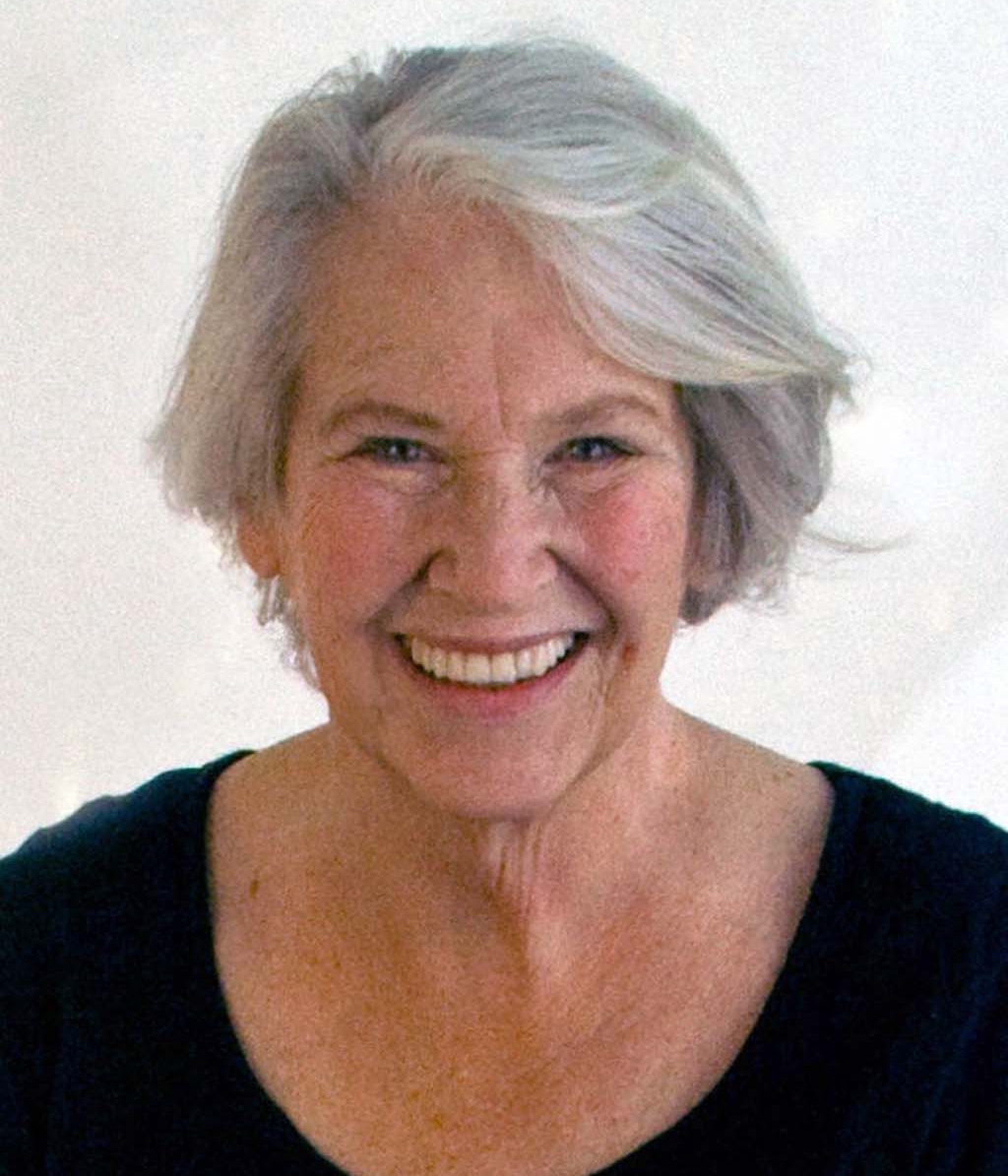
Many high performers rely heavily on their work as their primary source of purpose, meaning, and fulfillment—only to feel burned out or lost when a job fails to deliver. In this episode, **Melissa Vining** sits down with retired occupational therapist and rehabilitation scientist **Dr. Mary Vining Radomski** to unpack what scientific literature actually says about living with purpose. Together, they challenge the myth that purpose is a singular calling you have to hunt down, reframing it instead as an accessible daily practice driven by simple, intentional choices. Mary breaks down key findings from her work, showing how high-performing misfits can reclaim their agency and discover the purpose that’s been right in front of them all along. **Inside this Episode:** - Purpose vs. Meaning: Understanding the difference between purpose and meaning, and why both are important for a full life. - The "Purpose Portfolio": Why chasing a single, elusive calling sets us up for burnout, and how building a multi-faceted portfolio yields lasting fulfillment. - Health and Longevity Dividends: What longitudinal research reveals about purpose as a modifiable risk factor that directly impacts physical and cognitive health. - Job Crafting & Workplace Reality: Why expecting an employer to meet all your purpose needs is risky, and how small, intentional shifts can transform draining work days. - Unlocking Your Inner Compass: Concrete daily exercises to identify core values, character strengths, and sources of personal meaning. **Guest Bio:** Mary Vining Radomski, PhD is a recently retired occupational therapist and rehabilitation scientist. Her research largely centered on rehabilitation after brain injury, including a multi-year collaboration with the United States Army Office of the Surgeon General. Informed in part by her research with Service Members, Mary created and launched The Compass Course, a framework that helps people renew their sense of purpose during major health and life transitions. Mary continues to champion purposeful living in her retirement through her blog and newsletter, sharing a thoughtful mix of science, inspiration, and insights on the power of purpose. **Connect with Mary:** https://www.choosingpurpose.com Mary@choosingpurpose.com **Books for Further Reading:** Man’s Search for Meaning by Viktor Frankl What Matters Most by Dr. James Hollis A Life of Meaning by Dr. James Hollis Living an Examined Life by Dr. James Hollis On This Journey We Call Our Life by Dr. James Hollis **Additional Resources Mentioned in this Episode:** Values in Action Character Strengths Survey: https://www.viacharacter.org/ **Episode Timestamps:** 00:34 – Meet Dr. Mary Vining Radomski 01:40 – Mary’s path into purpose research 10:20 – Purpose vs. meaning 12:00 – The science of purpose and health 19:03 – Misconceptions about finding your purpose 26:21 – Inside *The Compass Course* framework 37:25 – Purpose at work and job crafting 48:33 – Exercises to explore your inner compass **P.S.** If you’ve found this episode helpful and want to support the podcast, buy me a coffee here! Your support helps me keep creating content that helps high-performing misfits find work that fits. https://buymeacoffee.com/melissavining
Many high performers rely heavily on their work as their primary source of purpose, meaning, and fulfillment—only to feel burned out or lost when a job fails to deliver. In this episode, **Melissa…