May 28, 2026 · 21 min · 10 segments
**Season 02 Episode 27** Last year, JPMorganChase announced the launch of the Security and Resiliency Initiative, a 10-year, $1.5 trillion plan to facilitate, finance, and invest in industries…
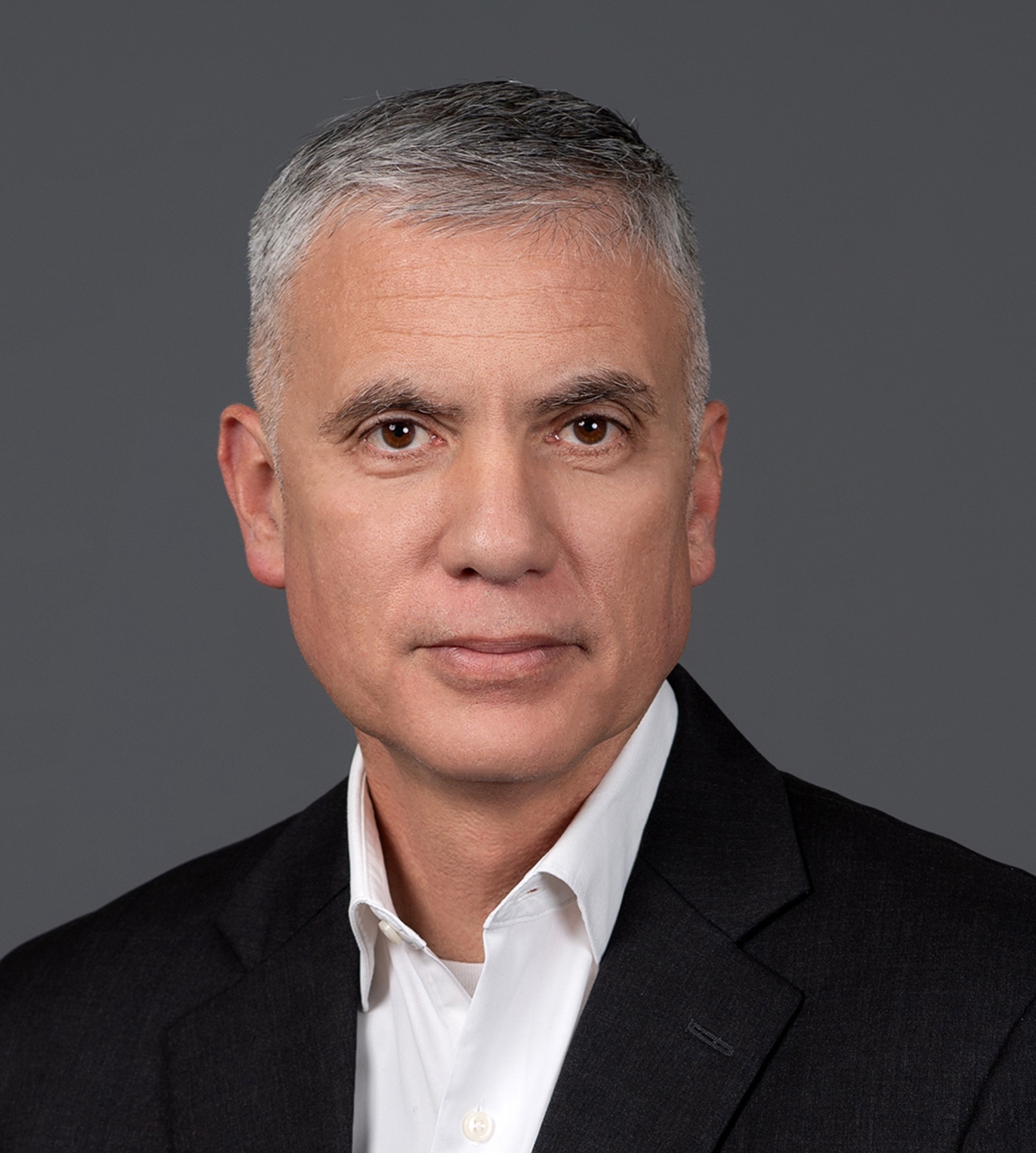
Jay HorineGuestAaron MulvihillHostWell, we have a lot to talk about, but before we get into the Security and Resiliency Initiative, I just want to set the scene.
this struck a chord with me so in 2021 i was running a manufacturing business and when covid kicked off it became extremely challenging to get a lot of products and materials from overseas particularly so computer chips specialty steel we had challenges with workforce kind of retention a lot of folks choose training just to kind of prioritize their health leave the workforce and challenging to get people you know to trained up and replace those people um I think that was a wake up call for a lot of folks in manufacturing about how vulnerable the global supply chain is.
So from your perspective, how did we get here and what are some of the big gaps you see in the supply chain today? Well,

I think Jamie was more right than any of us could have imagined when we began this.

And it's been great to see the U.S. government, states, we've done a number of things with state initiatives, and now around the world joining this.

And I think the first thing is the reality of understanding their supply chain and the weaknesses in that.

We've hired A variety of people, Kevin Quinn joined us, Michael Johnson joined us, Sarah Rourke, Trevor Burns, a whole variety of people with different experiences, including supply chain.

But most of those begin with the resiliency of the supply chain and realizing that we did a lot of this to ourselves.

And we'll talk a little bit, I'm sure, about workforce and training and the like.

I think that what we found in this five or six months is a lot of really good news out there.
Well, we have a lot to talk about, but before we get into the Security and Resiliency Initiative, I just want to set the scene.
this struck a chord with me so in 2021 i was running a manufacturing business and when covid kicked off it became extremely challenging to get a lot of products and materials from overseas particularly so computer chips specialty steel we had challenges with workforce kind of retention a lot of folks choose training just to kind of prioritize their health leave the workforce and challenging to get people you know to trained up and replace those people um I think that was a wake up call for a lot of folks in manufacturing about how vulnerable the global supply chain is.
So from your perspective, how did we get here and what are some of the big gaps you see in the supply chain today? Well,

I think Jamie was more right than any of us could have imagined when we began this.

And it's been great to see the U.S. government, states, we've done a number of things with state initiatives, and now around the world joining this.

And I think the first thing is the reality of understanding their supply chain and the weaknesses in that.

We've hired A variety of people, Kevin Quinn joined us, Michael Johnson joined us, Sarah Rourke, Trevor Burns, a whole variety of people with different experiences, including supply chain.

But most of those begin with the resiliency of the supply chain and realizing that we did a lot of this to ourselves.

And we'll talk a little bit, I'm sure, about workforce and training and the like.

I think that what we found in this five or six months is a lot of really good news out there.
The rest of this transcript — segmented and speaker-labeled, so you land on the exact moment something was said
Search every transcript — by keyword, by phrase, or by meaning, across every show Radar indexes
Trends — what is surging across podcasts, measured against its own baseline
Alerts — when a name you follow appears in a newly indexed episode
No account is needed to search Radar.