Something else that is a passion of mine that is near and dear to my heart other than mountain biking adventures and the science of wellbeing is plant-based.
It's hard to believe that that's the case because it doesn't seem like it's been that long.
Through that process, I had to become an expert in plant-based nutrition and what that means and how to perform on a plant-based diet.
In fact, I won the world championship after I changed my diet to a plant-based diet.
I've also been featured in the New York Times bestseller, The Plant-Based Athlete by Matt Fraser and Robert Cheek, if you want to pick that one up.
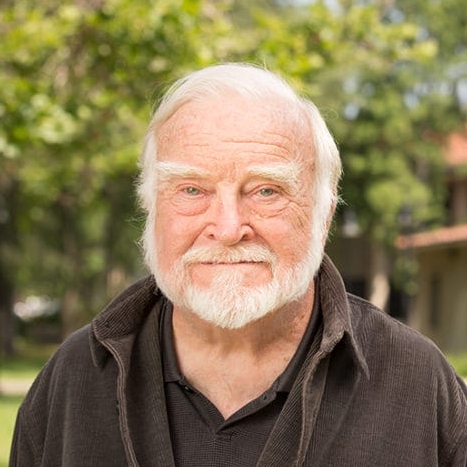
So I was really excited to sit down with Cory Davis today to chat about plant-based for environmental sustainability.
If you listen to the show, you've heard me talk at length with many experts on why you should eat plant-based or slant towards a plant-based diet for optimal health and longevity.
Corey's journey towards advocating for a more eco-friendly world began with his deep passion for animal rights, driving him to explore the interconnectedness of various sectors within the realm of sustainability.
His wealth of knowledge backed by his impressive credentials, including an MBA, a Master of Science, and a professional agrologist designation, which requires a four-year degree in environmental studies and agriculture.
all made for an insightful discussion on the convergence of natural resource management, intercultural relations and animal rights activism.
Together, we delved into the profound impact of individual choices on our planet's health.
Ecosystems are resilient to climate change, but human activities like deforestation and animal agriculture have profound negative impacts.
We talked about the impact of large agricultural industries and power of individual consumer choices in driving production, citing the inventory management system used by grocery stores.
A lot of us think that we are just a drop in the bucket and our actions aren't going to impact the climate or make a difference.
And as an aside, a while back, I recorded a podcast episode with Drawdown.org's executive director, Jonathan Foley, which also goes into detail about many different sectors of climate change and how you can help.
I made sure that that is linked up in the show notes, and I highly encourage you to listen to that episode as well.
Something that people worry about is that the food won't taste good if they eat lentils or tofu, and I can assure you that it does.
I've had many great guests to share their recipes, and one of them is linked up in the show notes.
As a quick reference, I would say download the Oshiglows app or get any of those cookbooks.
All of those recipes, including the desserts, are delicious, healthy, and easy to make.
Something else that is a passion of mine that is near and dear to my heart other than mountain biking adventures and the science of wellbeing is plant-based.
It's hard to believe that that's the case because it doesn't seem like it's been that long.
Through that process, I had to become an expert in plant-based nutrition and what that means and how to perform on a plant-based diet.
In fact, I won the world championship after I changed my diet to a plant-based diet.
I've also been featured in the New York Times bestseller, The Plant-Based Athlete by Matt Fraser and Robert Cheek, if you want to pick that one up.
So I was really excited to sit down with Cory Davis today to chat about plant-based for environmental sustainability.
If you listen to the show, you've heard me talk at length with many experts on why you should eat plant-based or slant towards a plant-based diet for optimal health and longevity.
Corey's journey towards advocating for a more eco-friendly world began with his deep passion for animal rights, driving him to explore the interconnectedness of various sectors within the realm of sustainability.
His wealth of knowledge backed by his impressive credentials, including an MBA, a Master of Science, and a professional agrologist designation, which requires a four-year degree in environmental studies and agriculture.
all made for an insightful discussion on the convergence of natural resource management, intercultural relations and animal rights activism.
Together, we delved into the profound impact of individual choices on our planet's health.
Ecosystems are resilient to climate change, but human activities like deforestation and animal agriculture have profound negative impacts.
We talked about the impact of large agricultural industries and power of individual consumer choices in driving production, citing the inventory management system used by grocery stores.
A lot of us think that we are just a drop in the bucket and our actions aren't going to impact the climate or make a difference.
And as an aside, a while back, I recorded a podcast episode with Drawdown.org's executive director, Jonathan Foley, which also goes into detail about many different sectors of climate change and how you can help.
I made sure that that is linked up in the show notes, and I highly encourage you to listen to that episode as well.
Something that people worry about is that the food won't taste good if they eat lentils or tofu, and I can assure you that it does.
I've had many great guests to share their recipes, and one of them is linked up in the show notes.
As a quick reference, I would say download the Oshiglows app or get any of those cookbooks.
All of those recipes, including the desserts, are delicious, healthy, and easy to make.
The rest of this transcript — segmented and speaker-labeled, so you land on the exact moment something was said
Search every transcript — by keyword, by phrase, or by meaning, across every show Radar indexes
Trends — what is surging across podcasts, measured against its own baseline
Alerts — when a name you follow appears in a newly indexed episode
No account is needed to search Radar.