Sep 30, 2026 · 53 min · 11 segments
Tom Griffiths is in conversation with Mark McKenna on his new book Alice's dreaming. An astonishing work of history about a girl and the Indigenous world she encountered.
Tom GriffithsGuest
Mark McKennaHost
And this is the world, of course, that you've just described, the country, right, that you've just described that Alice is born into in the early 20th century.

If you could just describe that station for the audience and the world in which Alice's childhood takes place.

Alice is born in 1901, and her father was a very keen ethnologist, I think we might call him.

He was fascinated by the history of humanity across the world and the history of human migration and wanted to understand, as many colonists when they first came to Australia wanted to understand, you know, What's the history of Aboriginal peoples? How do they fit into the whole global history of humanity? And he was very interested in that issue.

And at dinner, Grace, before dinner, they would thank white pioneers and black saviours, which the two worlds that Alice honours in her writing, you know, she writes, of course, about mythical peoples and other Aboriginal peoples, the people who became her teachers, who looked after her, cared for her as a child, and And her relationship with them was, in a way, strengthened by the fact that her father died when she was young.

And she relied, as many remote pastoral stations did, relied, and not just remote ones, on Aboriginal labour, exploited Aboriginal labour.

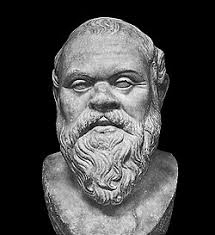
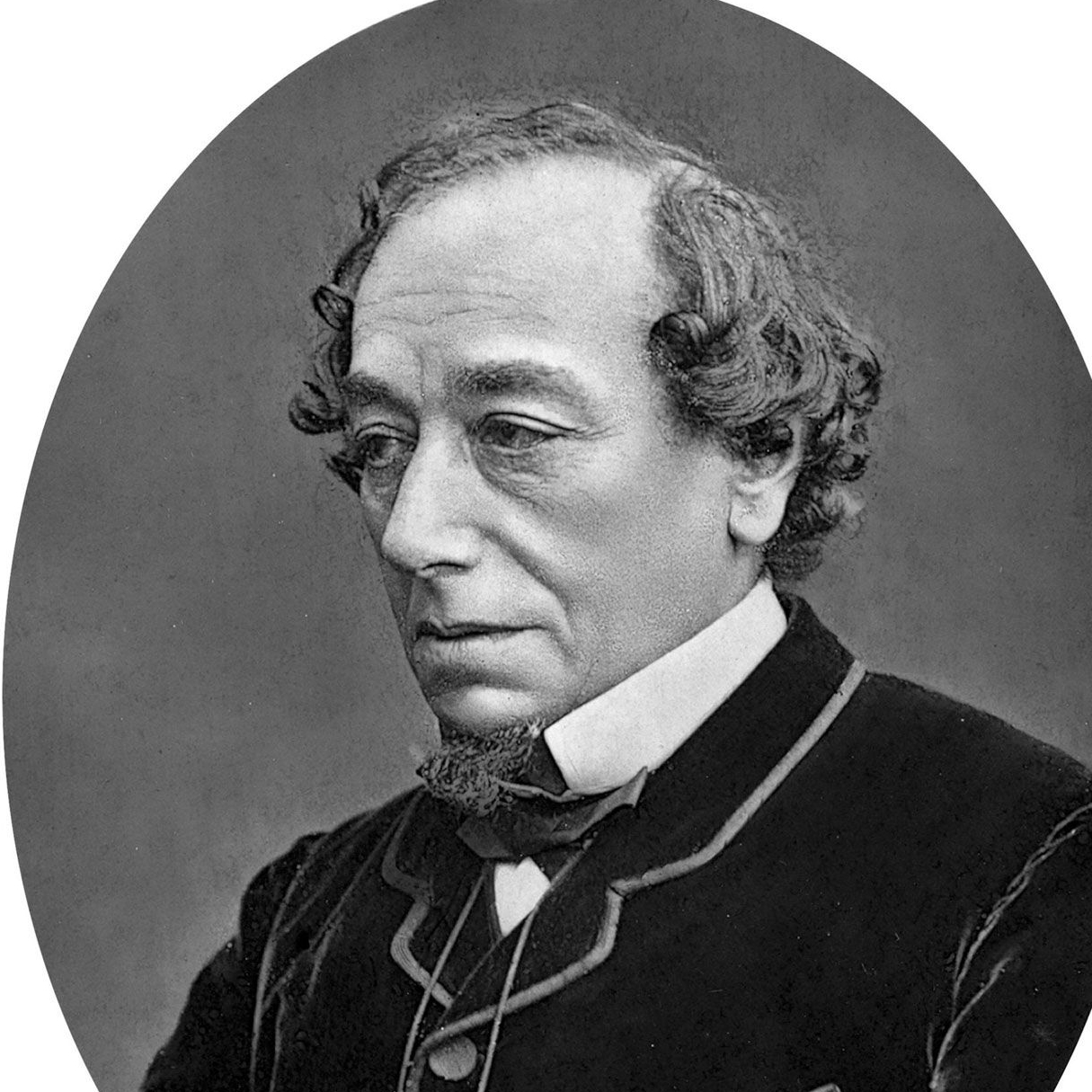
Actually, there's a wonderful moment in the book where Tom quotes Alice's father and You quote him boasting that in a day's ride from the station, I can see a Brown Phidias, a Socrates, a Euclid, a Storchy, a Gladstone, a Disraeli, a Machiavelli, all within a few minutes' ride from the station.
The rest of this transcript — segmented and speaker-labeled, so you land on the exact moment something was said
Search every transcript — by keyword, by phrase, or by meaning, across every show Radar indexes
Trends — what is surging across podcasts, measured against its own baseline
Alerts — when a name you follow appears in a newly indexed episode
No account is needed to search Radar.