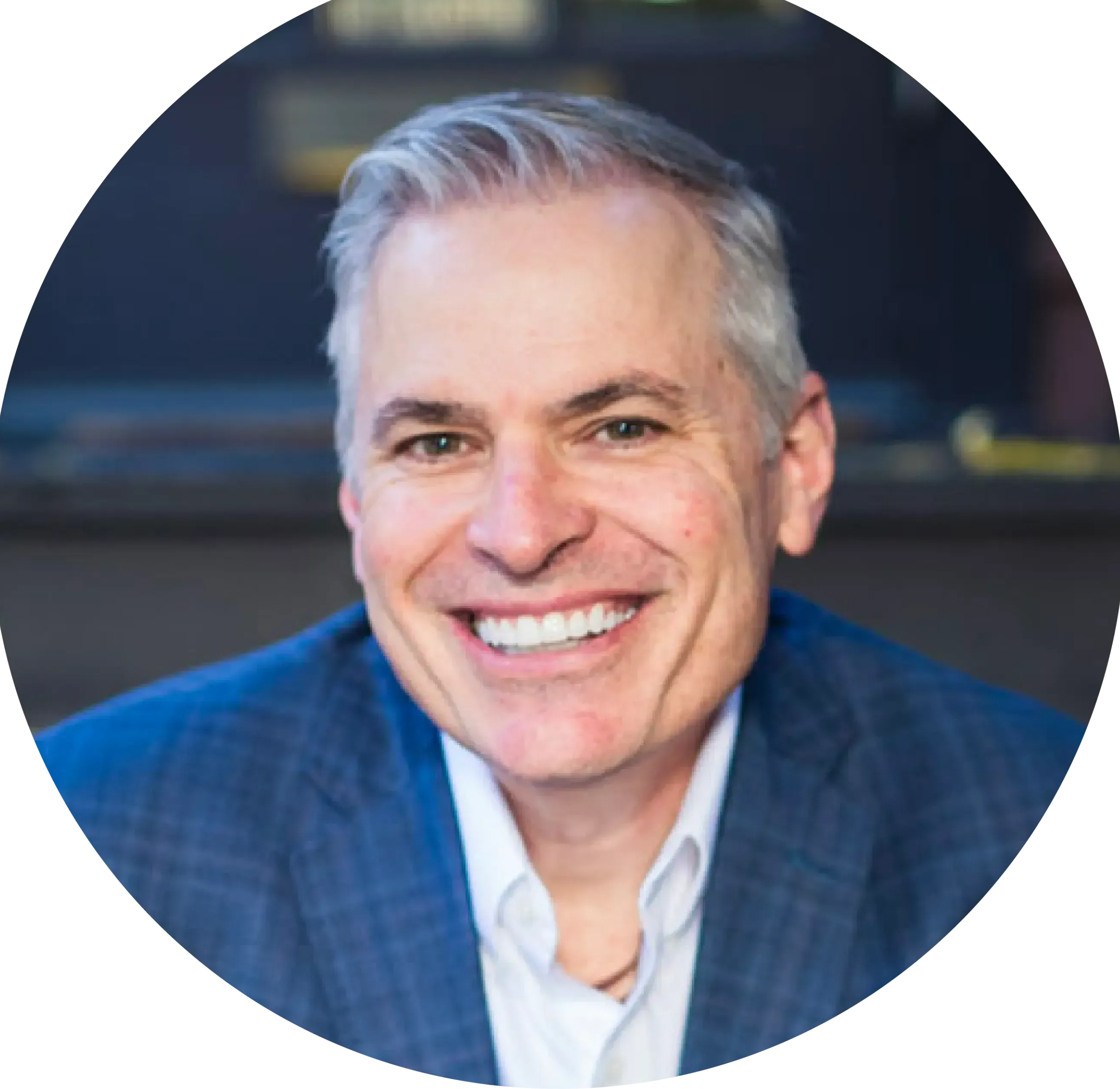
7. The Best Worst Things in Higher Ed Leadership: A Conversation with Joshua M. Walehwa
Oct 14, 2026 · 49 min · 12 segments
In this episode, EdUp Provost host Dr. Gregor Thuswaldner sits down with Dr. Joshua M. Walehwa, Special Advisor to the EVC/COO at Washington University in St. Louis and host of The Best Worst Thing…
In this episode, EdUp Provost host Dr. Gregor Thuswaldner sits down with Dr. Joshua M. Walehwa, Special Advisor to the EVC/COO at Washington University in St. Louis and host of The Best Worst Thing Podcast, for a candid, high-level conversation on bridging the gap between enterprise operations and academic leadership. Drawing from his unique trajectory across student affairs, academic administration, and executive operations, Dr. Walehwa offers a masterclass in navigating institutional friction. He discusses the inherent calendar and cultural misalignments between provosts and chief business officers, offering practical strategies to build collaborative, trust-based cabinet partnerships before crisis strikes. Turning to his work on resilience and narrative learning, Dr. Walehwa breaks down how academic leaders can cultivate psychological safety, dismantle destructive cultures of blame, and embrace vulnerability following high-stakes operational setbacks. The discussion also tackles the real impact of executive isolation, highlighting why tools like executive coaching, therapy, and non-formal mentor networks are indispensable for long-term sustained leadership. Takeaways:• Aligning Academic & Operational Calendars: Success requires pulling enterprise operations, IT, and financial leaders into strategic academic initiatives early to bridge the gap between multi-year capital cycles and curricular timelines. • Dismantling the Culture of Blame: Provosts must foster psychological safety by modeling personal accountability and framing operational missteps around learning rather than fault-finding. • Reframing Crisis Through Curiosity: Bouncing back from setbacks requires leaders to stay open, lean into vulnerability, and extract actionable wisdom from unexpected institutional challenges. • Combating Executive Isolation: Because cabinet-level roles can be deeply isolating, academic executives must proactively assemble a support matrix—including executive coaches, therapists, and peer mentors—to sustain their well-being. • Speaking Operational Languages: Effective chief academic officers learn to translate academic vision into the language of risk, sustainability, and scale without compromising the primary academic mission.
In this episode, EdUp Provost host Dr. Gregor Thuswaldner sits down with Dr. Joshua M. Walehwa, Special Advisor to the EVC/COO at Washington University in St. Louis and host of The Best Worst Thing…