דברי חכמים - Words of the Wise
Sep 29, 2026 · 31 min · 11 segments
Hey! I'd love to hear your thoughts, send me a voice note. Rabbi Schiller discusses two recent biographies: 1. *The Extraordinary Life of…
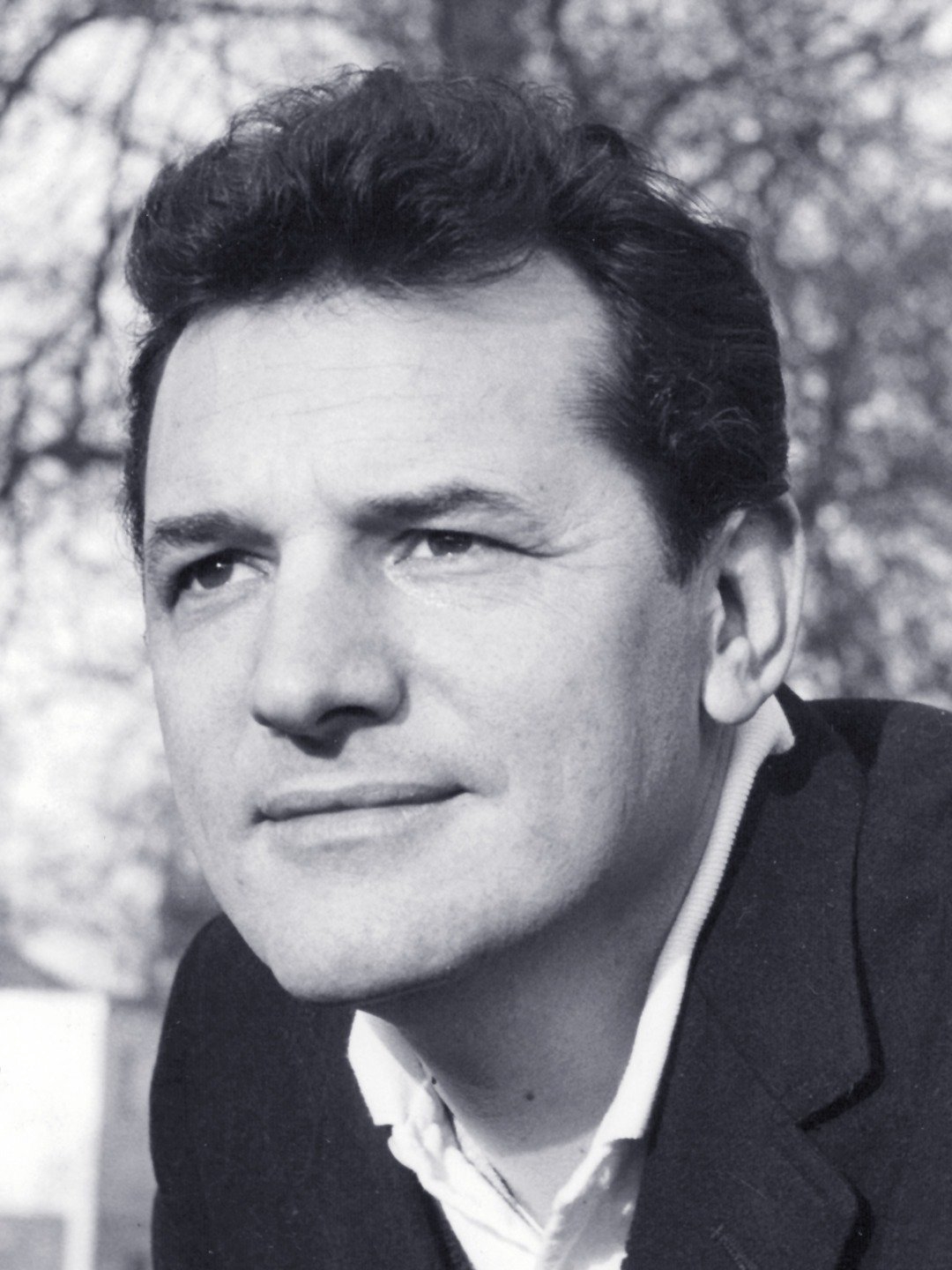
Well, the first overall insight that I would offer is that they were very different, and they were different in personality, and they were different in what they devoted their lives to.
So the first thing which emerges from a reading of these two books is that there are many ways to climb the ladder to Hashem, and each one of us has to find the particular mahalech which suits our personalities.
Uh, Rabbi Schiller was a, a Brooklyn Jewish boy, attended yeshivas in Berlin, went to learn Eretz Yisrael, and there met some other rabbis who also had the dream which he had, which was to create a yeshiva geared to Jews who had little knowledge or affiliation with their Judaism.
He was at the time, uh, doing a brief stint as a rebbe and administrator in Toronto, and, uh, Mr. Joe Tannenbaum, who was a very wealthy man, a philanthropist, he gave a lot of money to this yeshiva in Toronto.
I'll begin you with a salary of, I think, $200,000 a year," which, uh, that was in the early '70s.
Translated into contemporary terms, they say it's around three-quarters of a million dollars.
So Rabbi Schiller, who already had his dream of going back to Eretz Yisrael and starting something like Ohr Somayach, he said to Mr. Tannenbaum, he said, "I have a better idea.
I'd like to bring you in as my partner in that business." And it went on that, uh, Joe Tannenbaum was a great supporter of Ohr Somayach for, uh, the rest of his life.
Uh, Roni Greenwald also raised in a Frum milieu, and, uh, eventually he did many things with his life.
Somebody told him there's this Jew in prison in Mozambique, and would he contact the, uh, government or so-called government of Mozambique, and could he work on trying to get a prisoner exchange? There was, there was some communist spy who the Soviet Union wanted to have released.
Well, the first overall insight that I would offer is that they were very different, and they were different in personality, and they were different in what they devoted their lives to.
So the first thing which emerges from a reading of these two books is that there are many ways to climb the ladder to Hashem, and each one of us has to find the particular mahalech which suits our personalities.
Uh, Rabbi Schiller was a, a Brooklyn Jewish boy, attended yeshivas in Berlin, went to learn Eretz Yisrael, and there met some other rabbis who also had the dream which he had, which was to create a yeshiva geared to Jews who had little knowledge or affiliation with their Judaism.
He was at the time, uh, doing a brief stint as a rebbe and administrator in Toronto, and, uh, Mr. Joe Tannenbaum, who was a very wealthy man, a philanthropist, he gave a lot of money to this yeshiva in Toronto.
I'll begin you with a salary of, I think, $200,000 a year," which, uh, that was in the early '70s.
Translated into contemporary terms, they say it's around three-quarters of a million dollars.
So Rabbi Schiller, who already had his dream of going back to Eretz Yisrael and starting something like Ohr Somayach, he said to Mr. Tannenbaum, he said, "I have a better idea.
I'd like to bring you in as my partner in that business." And it went on that, uh, Joe Tannenbaum was a great supporter of Ohr Somayach for, uh, the rest of his life.
Uh, Roni Greenwald also raised in a Frum milieu, and, uh, eventually he did many things with his life.
Somebody told him there's this Jew in prison in Mozambique, and would he contact the, uh, government or so-called government of Mozambique, and could he work on trying to get a prisoner exchange? There was, there was some communist spy who the Soviet Union wanted to have released.
The rest of this transcript — segmented and speaker-labeled, so you land on the exact moment something was said
Search every transcript — by keyword, by phrase, or by meaning, across every show Radar indexes
Trends — what is surging across podcasts, measured against its own baseline
Alerts — when a name you follow appears in a newly indexed episode
No account is needed to search Radar.