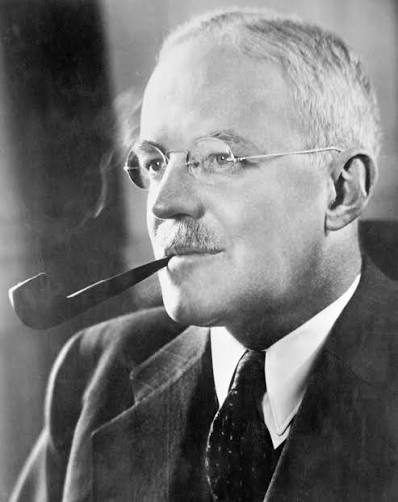
Patrice Lumumba was a very interesting man who unfortunately lived a very short life.
His life was cut too short.
And I feel like he's kind of at this point where people have kind of like sanctified him in a way where it's like you only know the myth, but you don't really know much about the man, him as a person.
his personal life, his family life, and the things he really stood for.
But unfortunately, we didn't even really have enough time to figure out what his politics would have really looked like after having a full term.
as prime minister, because it was very, very short, as you will learn now, but without further ado, let's get right into it.
And I don't want to make the intro even longer than it already is, but I do want to say, again, as I was researching this, there were some things that I learned about Lumoma that, one, I didn't know, but also it was like, oh, this is kind of, This is kind of something.
And I feel like in terms of when you talk about history, especially, there's a lot of black and white of like this person is good, this person is bad.
And I'd say for the most part, yeah, there are some people I guess we could universally agree on who are bad, like Hitler, for example.
As you learn more about history and you're diving deeper into it beyond just like the surface level of it, you learn things where it's like, oh, yeah.
This is not what I had in my mind.
This is not what's normally told about this person.
And it might be negative, but it doesn't make them a bad person overall when you look at things in a grand scheme.
And I think it is important to include those less than savory details because things can be so narrow.
Like one thing that's going to come up during this episode is that.
Patrice Lumumba won.
He, you know, had extramarital affairs.
He was cheating on his wives.
He had a couple sides on the side.
And also his wife, Pauline, there's going to be two Paulines also.
He married her when she was 14.
And obviously, like, that's crazy.
I feel like that was crazy when it happened.
Less so, because again, it's like... 20th century recently uncolonized Africa so things were different even though it's still like a side eye but now obviously you can look at that through a modern lens of like why were you in your late 20s marrying a 14 year old but again it's very easy to look at things differently like that now and then also I do want to make it clear because it sounds like I'm going to be very critical that doesn't take away from how important Patrice Lumumba is to not just African history, but modern history in general in terms of pan-Africanism, in terms of the end of colonial rule, colonial European rule across Africa.
And, you know, the bad things don't outweigh the good.
The rest of this transcript — segmented and speaker-labeled, so you land on the exact moment something was said
Search every transcript — by keyword, by phrase, or by meaning, across every show Radar indexes
Trends — what is surging across podcasts, measured against its own baseline
Alerts — when a name you follow appears in a newly indexed episode
No account is needed to search Radar.