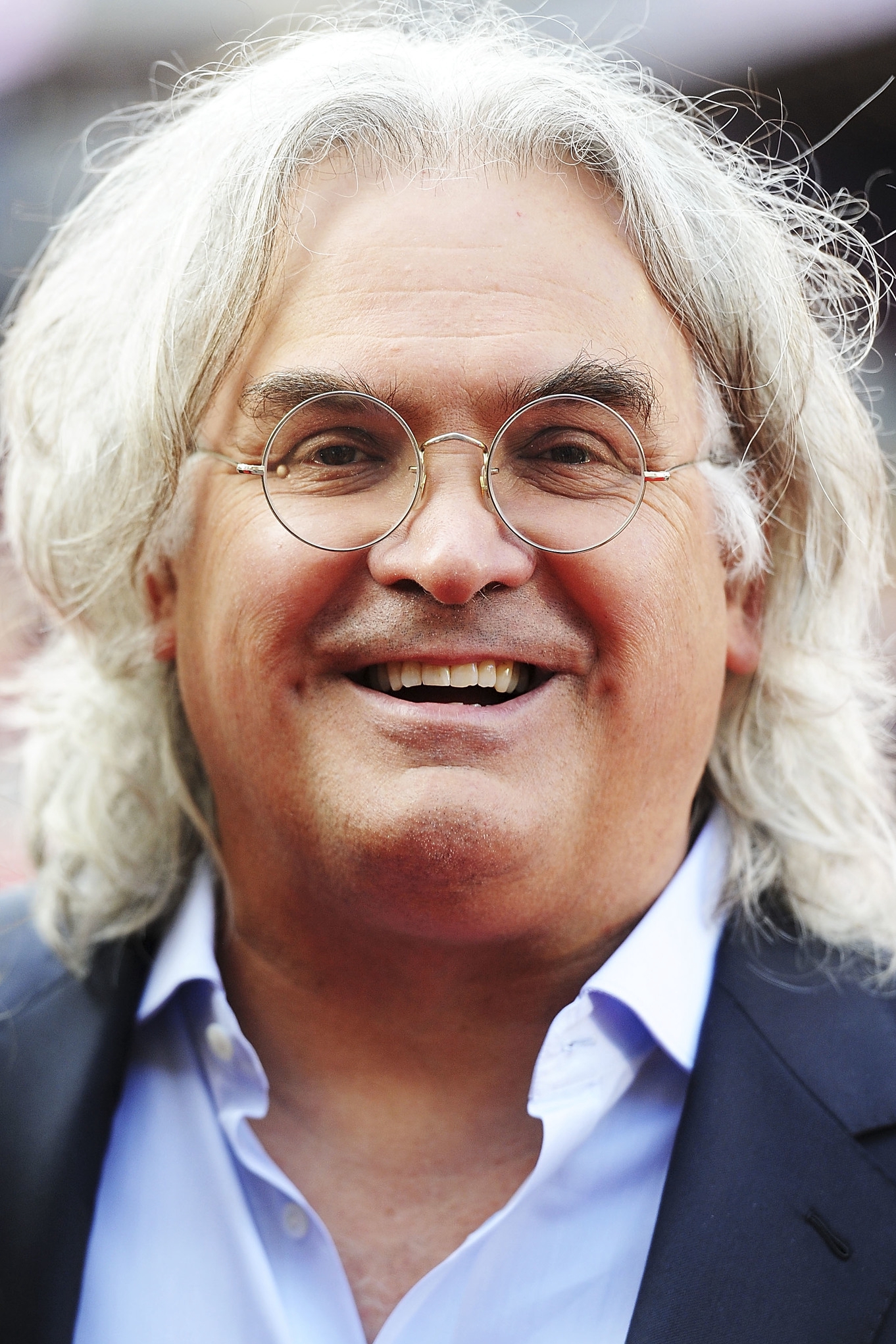
Efrem GrahamHost
Paul GreengrassGuest
Thomasin McKenzieGuestyou've taken from us,

For those who are not familiar with the 1381 Peasants' Revolt, how does this compare to what you learned in history?

I think what was amazing to me was when I sat down to write it was how contemporary it all felt, you know? It's not distant history at all.

It really felt like our tomorrow, you know? A world divided between the rich oligarchs and the rest of us ragingly angry at a system that's rigged against us.

I wanted to make a big historical epic like Gladiator or Braveheart, one of those kind of movies, because I love those movies and I'd never, ever tried to make one.

So, you know, you need a grand spectacle, you need history to turn, you need, you know, intimate characters, you know, like Andrew's character and Thomason's character.

He says, I'm not a priest, but yet he obviously has something that's driving him.
I think we find these characters at the beginning of the story kind of worn down to a nub of their humanity.
And there's a kind of despair and anguish and agony that gives them a path towards very, very courageous acts because it's acts of survival.
Not just for... for their bodies and for their ability to breathe in and out, but to have a life that has some form of meaning and some form of dignity.
you've taken from us,

For those who are not familiar with the 1381 Peasants' Revolt, how does this compare to what you learned in history?

I think what was amazing to me was when I sat down to write it was how contemporary it all felt, you know? It's not distant history at all.

It really felt like our tomorrow, you know? A world divided between the rich oligarchs and the rest of us ragingly angry at a system that's rigged against us.

I wanted to make a big historical epic like Gladiator or Braveheart, one of those kind of movies, because I love those movies and I'd never, ever tried to make one.

So, you know, you need a grand spectacle, you need history to turn, you need, you know, intimate characters, you know, like Andrew's character and Thomason's character.

He says, I'm not a priest, but yet he obviously has something that's driving him.
I think we find these characters at the beginning of the story kind of worn down to a nub of their humanity.
And there's a kind of despair and anguish and agony that gives them a path towards very, very courageous acts because it's acts of survival.
Not just for... for their bodies and for their ability to breathe in and out, but to have a life that has some form of meaning and some form of dignity.
The rest of this transcript — segmented and speaker-labeled, so you land on the exact moment something was said
Search every transcript — by keyword, by phrase, or by meaning, across every show Radar indexes
Trends — what is surging across podcasts, measured against its own baseline
Alerts — when a name you follow appears in a newly indexed episode
No account is needed to search Radar.