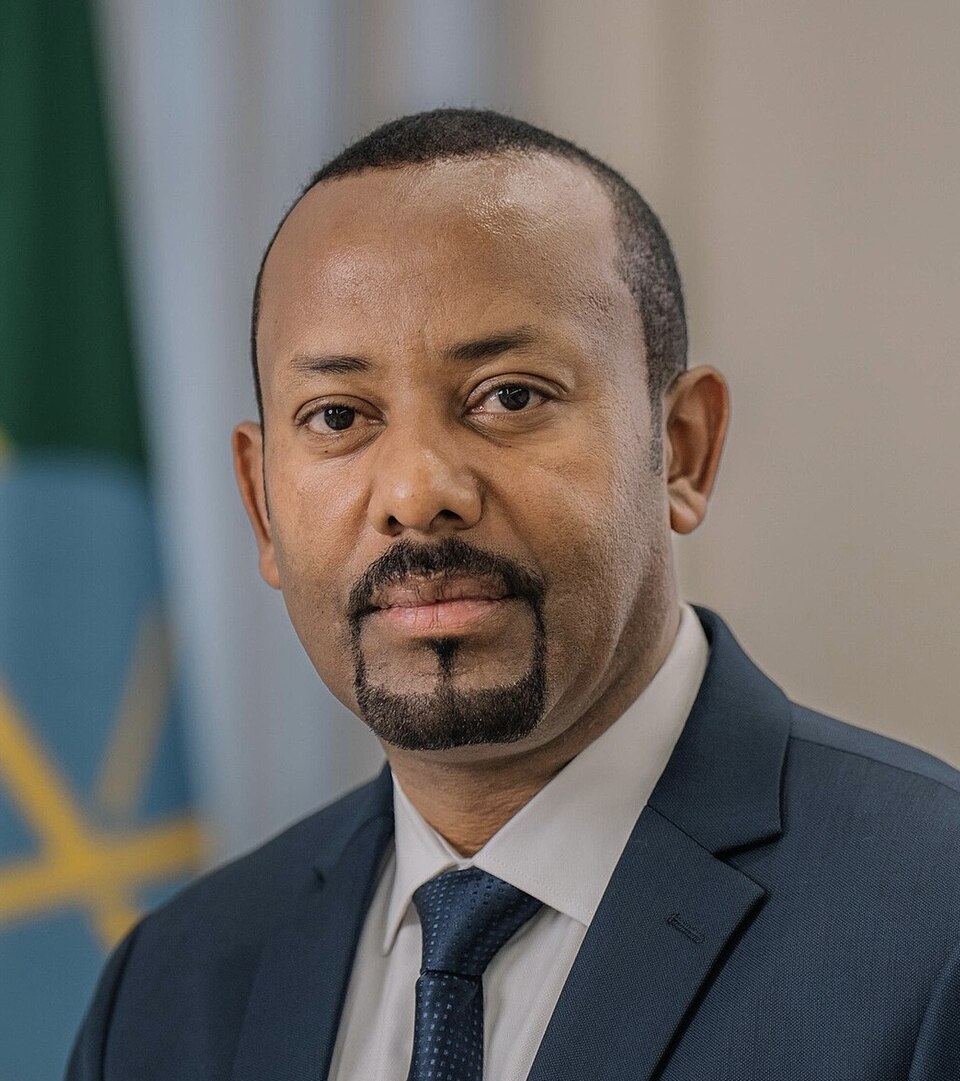
Jalale Getachew BirruGuest
Bron MillsHostI would say that the most important thing to consider about this conflict at the moment is not necessarily whether the government can take on the TPLF, right? They certainly can.
And it's not even that they've allied themselves with their previous enemies, which is something that is certainly a challenge, but nothing that also isn't possible.
The first is that Ethiopians that I've spoken to yesterday were incredibly concerned because the TPLF is now allied with the government of Eritrea, which had previously been under sanctions by the U.S. because of their activity in the previous Tigray War when they were allied with the government.
And some people were worried last night about the possibility of drone strikes in Addis.
The other thing that really concerns me is that the reason that there is so much blatant kind of international rumors about these things happening is that the Red Sea, which of course, both Eritrea, Ethiopia, Somalia, you know, Yemen and Saudi Arabia are all kind of in a contest over in some ways about control for that area.
So the reason that Eritrea has had these sanctions removed is clearly either because Egypt or Saudi Arabia has asked the U.S. to do it so that the Eritreans could provide more support in an anti-Houthi let's say, alliance in the Red Sea.
However, that upsets Ethiopia, which is in an alliance with UAE and Israel and, of course, Somaliland.
And the contest for that region is not going to be one group against the other.
And it represents, in many ways, a cauldron of subnational, national, international, and global concerns.

with the backdrop as it is, remind us the different kind of sides to this, because when there's conversations still ongoing about the Huthi backdrop and whatever else.

And so there's alignments going on within the region of the Horde that are particularly important on that.
Internally, for example, in today's and yesterday's conflict, the ENDF, the Ethiopian military, the Tigray Peace Forces, the Amhara anti-riot forces, police forces, and local militias are on one side, while the TDF, the Tigray Defense Forces, is together with the Amhara Fanon National Movement, IFNM, And they are fighting with the government.
The two are part of the new alliances, which was established on Sunday.
If the other members of the alliances have started some kind of coordinated operation, so far there is no news.
I would say that the most important thing to consider about this conflict at the moment is not necessarily whether the government can take on the TPLF, right? They certainly can.
And it's not even that they've allied themselves with their previous enemies, which is something that is certainly a challenge, but nothing that also isn't possible.
The first is that Ethiopians that I've spoken to yesterday were incredibly concerned because the TPLF is now allied with the government of Eritrea, which had previously been under sanctions by the U.S. because of their activity in the previous Tigray War when they were allied with the government.
And some people were worried last night about the possibility of drone strikes in Addis.
The other thing that really concerns me is that the reason that there is so much blatant kind of international rumors about these things happening is that the Red Sea, which of course, both Eritrea, Ethiopia, Somalia, you know, Yemen and Saudi Arabia are all kind of in a contest over in some ways about control for that area.
So the reason that Eritrea has had these sanctions removed is clearly either because Egypt or Saudi Arabia has asked the U.S. to do it so that the Eritreans could provide more support in an anti-Houthi let's say, alliance in the Red Sea.
However, that upsets Ethiopia, which is in an alliance with UAE and Israel and, of course, Somaliland.
And the contest for that region is not going to be one group against the other.
And it represents, in many ways, a cauldron of subnational, national, international, and global concerns.

with the backdrop as it is, remind us the different kind of sides to this, because when there's conversations still ongoing about the Huthi backdrop and whatever else.

And so there's alignments going on within the region of the Horde that are particularly important on that.
Internally, for example, in today's and yesterday's conflict, the ENDF, the Ethiopian military, the Tigray Peace Forces, the Amhara anti-riot forces, police forces, and local militias are on one side, while the TDF, the Tigray Defense Forces, is together with the Amhara Fanon National Movement, IFNM, And they are fighting with the government.
The two are part of the new alliances, which was established on Sunday.
If the other members of the alliances have started some kind of coordinated operation, so far there is no news.
The rest of this transcript — segmented and speaker-labeled, so you land on the exact moment something was said
Search every transcript — by keyword, by phrase, or by meaning, across every show Radar indexes
Trends — what is surging across podcasts, measured against its own baseline
Alerts — when a name you follow appears in a newly indexed episode
No account is needed to search Radar.