Cause of Action with Spencer Pahlke
Oct 13, 2026 · 1 hr 5 min · 10 segments
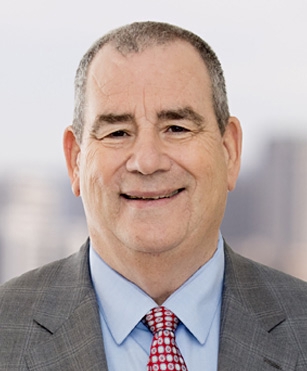
Earlier this year, today’s guest, Rahul Ravipudi, served as co-counsel in a landmark victory against social media giants Meta and YouTube for designing products that are knowingly addictive to kids…
Spencer PahlkeHostLucy Roberts-WiddisonGuestKira EngGuest
Now, this one is actually not a verdict, but a settlement and an important one.

It was twenty sixteen settlement on behalf of a family whose nineteen-year-old son was left on a school bus and ultimately died of hyperthermia.

Tell us a little bit about that case and how it helped lead to lasting change to prevent this kind of avoidable tragedy from happening again.
Paul Lee was nineteen at the time and a non-verbal autistic young man, and he was part of the school system.
It was a shorter bus with the bus driver picking him up right at his, uh, driveway, and then just needed to drop him off at school.
When he gets to the school, the bus driver opens up the doors and then is just looking at his phone.
And he's looking at his phone because he got a text from his mistress telling him to come on over.
Well, Paul, as a non-verbal autistic young man, he doesn't do anything unless he's told to do it.
And so the two other kids hopped off the bus as they would, and Paul just sat on the bus, uh, and the distracted school bus driver didn't see this six foot one, two hundred plus pound young boy on the bus and immediately drives to the school bus parking lot and leaves the bus with Paul on it.
By four, Paul's mom gets home and wondered, "Where the heck is Paul?" Immediately calls nine one one, calls the school, asks where Paul is, and the school said, "Well, Paul didn't come to school today." And then she just got in her car and drove to the school.
And by the time she got there, the ambulance and everybody was there, and Paul had passed from hyperthermia.
And school bus drivers don't comply with their mandatory legal obligations, which is some kids don't wanna go to school, [chuckles] and they actually hide on the bus.
And so what the school bus driver needs to do is actually walk to the back of the bus, look at each and every seat, and make sure there's nobody on the bus before you actually leave it, right? And if you do that, nobody would be left on the bus.
On a short bus like this, it would have taken the bus driver not even a couple of seconds to have fulfilled that obligation, and he didn't do it.

Now, this one is actually not a verdict, but a settlement and an important one.

It was twenty sixteen settlement on behalf of a family whose nineteen-year-old son was left on a school bus and ultimately died of hyperthermia.

Tell us a little bit about that case and how it helped lead to lasting change to prevent this kind of avoidable tragedy from happening again.
Paul Lee was nineteen at the time and a non-verbal autistic young man, and he was part of the school system.
It was a shorter bus with the bus driver picking him up right at his, uh, driveway, and then just needed to drop him off at school.
When he gets to the school, the bus driver opens up the doors and then is just looking at his phone.
And he's looking at his phone because he got a text from his mistress telling him to come on over.
Well, Paul, as a non-verbal autistic young man, he doesn't do anything unless he's told to do it.
And so the two other kids hopped off the bus as they would, and Paul just sat on the bus, uh, and the distracted school bus driver didn't see this six foot one, two hundred plus pound young boy on the bus and immediately drives to the school bus parking lot and leaves the bus with Paul on it.
By four, Paul's mom gets home and wondered, "Where the heck is Paul?" Immediately calls nine one one, calls the school, asks where Paul is, and the school said, "Well, Paul didn't come to school today." And then she just got in her car and drove to the school.
And by the time she got there, the ambulance and everybody was there, and Paul had passed from hyperthermia.
And school bus drivers don't comply with their mandatory legal obligations, which is some kids don't wanna go to school, [chuckles] and they actually hide on the bus.
And so what the school bus driver needs to do is actually walk to the back of the bus, look at each and every seat, and make sure there's nobody on the bus before you actually leave it, right? And if you do that, nobody would be left on the bus.
On a short bus like this, it would have taken the bus driver not even a couple of seconds to have fulfilled that obligation, and he didn't do it.
The rest of this transcript — segmented and speaker-labeled, so you land on the exact moment something was said
Search every transcript — by keyword, by phrase, or by meaning, across every show Radar indexes
Trends — what is surging across podcasts, measured against its own baseline
Alerts — when a name you follow appears in a newly indexed episode
No account is needed to search Radar.