Borders: Conversations on Global South Capital and Geopolitics
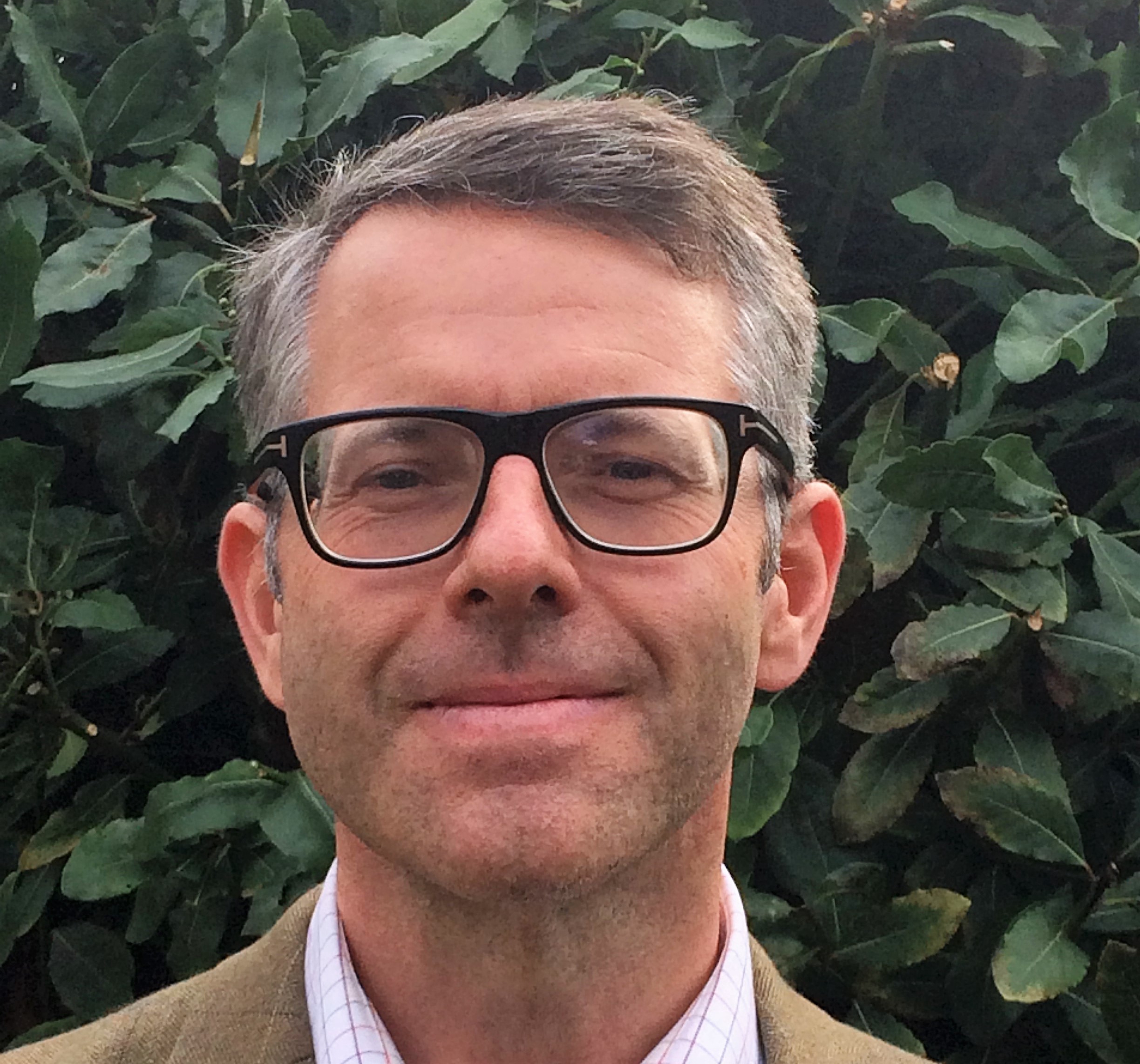
Ep 20: Klaus Dodds: Why a Melting Arctic Doesn't Mean Easy Money
Oct 19, 2026 · 57 min · 12 segments
Andrew Henderson sits down with Professor Klaus Dodds, co-author of *Unfrozen*, to examine how a warming Arctic is reshaping the geography of trade, resources, and power—and why greater accessibility…
Andrew Henderson sits down with Professor Klaus Dodds, co-author of *Unfrozen*, to examine how a warming Arctic is reshaping the geography of trade, resources, and power—and why greater accessibility does not automatically translate into commercial opportunity. Shorter shipping routes and mineral deposits attract attention, but operating in the region still requires specialized vessels, substantial infrastructure, and long-term capital. Less ice can also mean less predictability, undermining the frozen ground and transport networks on which existing businesses and communities depend. Klaus explores how Russia, China, the United States, and European powers approach this changing landscape with different interests and constraints. Russia seeks revenue and influence through the Northern Sea Route, while China builds the scientific knowledge, shipping capacity, and operating experience that could eventually support routes farther from the Russian coast. Sanctions complicate these relationships without necessarily ending them, creating workarounds and new commercial alliances. For businesses, understanding political decisions and competing interests can be as important as tracking commodity prices or shipping volumes. The conversation moves from Finland's icebreaker expertise to Greenland's mining challenges and the distinction between possessing rare earth deposits and being able to process them. Klaus argues that infrastructure, industrial capacity, and durable investment matter more than announcements of untapped wealth. Yet the Arctic is not an empty frontier: Indigenous communities, local livelihoods, and depopulation shape what development can achieve. From satellite connectivity to emerging transport technologies, the episode considers the practical systems needed to support an increasingly important—but still difficult—region. **In this episode, Andrew and Klaus discuss:** - Why a less frozen Arctic can become more expensive to operate in. - Indigenous communities and the pressures of great-power competition. - Competing American, Chinese, Russian, and European approaches to the region. - Sanctions, shadow fleets, and the financial networks behind global trade. - China's investment in polar science, shipping, and infrastructure. - Russia's leverage over the Northern Sea Route. - The prospect of future shipping routes through the central Arctic Ocean. - Finland's icebreaker expertise and the importance of specialized shipbuilding. - How businesses assess geopolitical risk through scenario planning. - Rare earth extraction, processing, and competition for supply chains. - Greenland's mineral potential and the practical barriers to commercial mining. - Connectivity, transport, and job creation in depopulating Arctic communities. **About Borders** Borders is a long-form audio series hosted by Andrew Henderson, exploring how capital, power, and opportunity are reorganizing beyond the Western mainstream. Each episode features an unscripted conversation with founders, policymakers, investors, and thinkers operating at the edges of conventional narratives. The focus is structural clarity—not headlines. Produced by Vesper (vesper.vc). Hosted by Mr. Andrew J. Henderson: https://andrewjhenderson.com/
Andrew Henderson sits down with Professor Klaus Dodds, co-author of *Unfrozen*, to examine how a warming Arctic is reshaping the geography of trade, resources, and power—and why greater accessibility…