Sep 28, 2026 · 1 hr 2 min · 12 segments
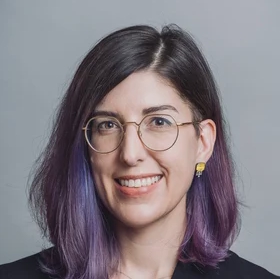
Dr. Elizabeth Lanphier is a faculty member in the Ethics Center at Cincinnati Children’s Hospital and is affiliated with the departments of pediatrics, philosophy, and women, gender, and sexuality…
Elizabeth LanphierGuest
Kirk JohnsonHost
Amelia BarwiseHost
So to continue our conversation, I see, you know, reading through some of your publications, which are awesome, really enjoyed reading them and extremely insightful.


Yeah, both of those are terms that I find people to define in all sorts of different ways.

I think that, again, as someone trained in philosophy, I like conceptual clarity.

I find feminism can be a scholarly methodology as well as a political project.

I think that many people who identify as feminist bioethicists, though I'm sure not all, typically see the theoretical and political as at least somewhat connected.

But how connected probably depends on who they are contextual factors like where they work and and what they work on right um so for me i think about feminist approaches as being ones that conceptualize and address power or the lack thereof and take up questions about things like fairness and justice with an eye toward addressing historical an ongoing exclusion and marginalization.

And I think that feminist approaches in bioethics are essentially looking at those relationships of power, who has it, how it shapes our norms, how it shapes our practices, how it shapes the bioethical principles that we often are implementing or thinking about in bioethics scholarship as well as clinical ethics practice, like how we conceptualize autonomy, how we construe what's a benefit and what's a harm, whose perspectives are included in that, and certainly what is justice and how might we achieve it.

So I think those are really, you know, it's this additive approach, I think, to some of the existing frameworks that bioethics already uses to be more inclusive, more equitable, fairer, and think about the kinds of frameworks we use to get at those.

I also find there to be a strong overlap between feminist and narrative methods.

I don't think they're synonymous, but I think that they often can go hand in hand.

Feminist approaches are often about recognizing particular experiences as meaningful or marginalized experiences as meaningful.

bioethics in the margins is your podcast so i think right this is part of your project too i take it um right and and then feminist you know approaches are often wary of theories that universalize in ways that can suppress minoritized experience and perpetuate hegemonic views rather than capture diverse experiences or diverse social positions or even recognizing the difference of, that there are different social positions, different cultural values at play.

And so I think that narrative methods can intervene as a way to draw out some of those concerns that are really essential to feminist methods and feminist methods often engage in narrative methods to do their work.

But I also want to be clear then in kind of thinking about what I mean by narrative methods that narrative methods to me are about more than telling a particular story or valuing an account of experience.

I think there are all sorts of ways narrative structures can also become hegemonic or oppressive or merely reinforce dominant views.

So, you know, like if they impose a narrow account of what counts as a coherent story.

So I sometimes want to be cautious and not... presupposing that narrative methods are like the antidote or the fix for problems identified by things like feminism, but they can also participate in maybe more harmful, oppressive narratives as well.

So for my purposes, I take a pretty broad view of what narrative is and what narrative approaches can mean, and then seek to kind of constantly define in the moment instances in which the term is used and what it means in that instance.

And so my sort of generic commitment is to narrative being about meaning making.

So to continue our conversation, I see, you know, reading through some of your publications, which are awesome, really enjoyed reading them and extremely insightful.


Yeah, both of those are terms that I find people to define in all sorts of different ways.

I think that, again, as someone trained in philosophy, I like conceptual clarity.

I find feminism can be a scholarly methodology as well as a political project.

I think that many people who identify as feminist bioethicists, though I'm sure not all, typically see the theoretical and political as at least somewhat connected.

But how connected probably depends on who they are contextual factors like where they work and and what they work on right um so for me i think about feminist approaches as being ones that conceptualize and address power or the lack thereof and take up questions about things like fairness and justice with an eye toward addressing historical an ongoing exclusion and marginalization.

And I think that feminist approaches in bioethics are essentially looking at those relationships of power, who has it, how it shapes our norms, how it shapes our practices, how it shapes the bioethical principles that we often are implementing or thinking about in bioethics scholarship as well as clinical ethics practice, like how we conceptualize autonomy, how we construe what's a benefit and what's a harm, whose perspectives are included in that, and certainly what is justice and how might we achieve it.

So I think those are really, you know, it's this additive approach, I think, to some of the existing frameworks that bioethics already uses to be more inclusive, more equitable, fairer, and think about the kinds of frameworks we use to get at those.

I also find there to be a strong overlap between feminist and narrative methods.

I don't think they're synonymous, but I think that they often can go hand in hand.

Feminist approaches are often about recognizing particular experiences as meaningful or marginalized experiences as meaningful.

bioethics in the margins is your podcast so i think right this is part of your project too i take it um right and and then feminist you know approaches are often wary of theories that universalize in ways that can suppress minoritized experience and perpetuate hegemonic views rather than capture diverse experiences or diverse social positions or even recognizing the difference of, that there are different social positions, different cultural values at play.

And so I think that narrative methods can intervene as a way to draw out some of those concerns that are really essential to feminist methods and feminist methods often engage in narrative methods to do their work.

But I also want to be clear then in kind of thinking about what I mean by narrative methods that narrative methods to me are about more than telling a particular story or valuing an account of experience.

I think there are all sorts of ways narrative structures can also become hegemonic or oppressive or merely reinforce dominant views.

So, you know, like if they impose a narrow account of what counts as a coherent story.

So I sometimes want to be cautious and not... presupposing that narrative methods are like the antidote or the fix for problems identified by things like feminism, but they can also participate in maybe more harmful, oppressive narratives as well.

So for my purposes, I take a pretty broad view of what narrative is and what narrative approaches can mean, and then seek to kind of constantly define in the moment instances in which the term is used and what it means in that instance.

And so my sort of generic commitment is to narrative being about meaning making.
The rest of this transcript — segmented and speaker-labeled, so you land on the exact moment something was said
Search every transcript — by keyword, by phrase, or by meaning, across every show Radar indexes
Trends — what is surging across podcasts, measured against its own baseline
Alerts — when a name you follow appears in a newly indexed episode
No account is needed to search Radar.