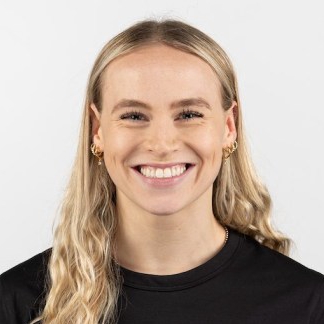
Camille Martens: Surviving Sport, Red Flags & Becoming the Sports Parent Your Child Needs
Oct 6, 2026 · 1 hr 9 min · 13 segments
Camille Martens survived fear-based coaching and abuse to become a Canadian champion, Commonwealth Games champion and Olympian in rhythmic gymnastics. But she always knew there was a better way, so…
Camille Martens survived fear-based coaching and abuse to become a Canadian champion, Commonwealth Games champion and Olympian in rhythmic gymnastics. But she always knew there was a better way, so she now focuses on helping parents build healthy, loving sport environments. Camille has spent four decades in sport as an athlete, coach and parent. She competed at the World Championships and Olympics, founded the Okanagan Rhythmic Gymnastics Club, and became president of Gymnastics BC, a master coach developer, and National Team Coaches Chair for 16 years. She's also the author of MVP in the Stands: Becoming the Parent Your Child Needs in Sport. In this powerful episode, Camille talks to Scott Rintoul about moving away from home at 13, training in Russia and Bulgaria under coaches who normalized fear, weigh-ins and abuse, and competing at the Olympics on a torn labrum. She shares the toll it took on her body and relationships, why she stayed silent to protect her access, and how she tried, and sometimes failed, to build something different as a coach and parent. You'll learn: - The difference between "Red flags" vs. healthy "growth edges" - Why emotional regulation is the parent's real job - How intention and impact can be worlds apart - Tools: keyword check-ins, a fridge scratchpad, the "buddy system" - How to build a strong coach-parent-athlete relationship **Chapters:** 0:00 Opening 1:34 Introducing Camille Martens 3:24 Early path into sport 4:54 Discovering rhythmic gymnastics 7:15 Moving to Vancouver to train 9:03 Making the national team at 13 11:01 Protecting an unhealthy environment 12:01 Fear-based coaching in Eastern Europe 13:48 The physical and emotional cost 16:14 A horrific Olympic Games 17:26 Starting a club to do it differently 18:41 Training in Russia and Bulgaria 20:34 Limited contact with her parents 22:32 Training alongside teammates in silence 23:14 The teddy bear story 24:11 Why she stayed 25:18 How the sport has changed 27:12 What a healthy environment looks like 28:35 "Red flags" vs "growth edges" 29:04 The coach-athlete-parent triangle 30:12 Spotting red flags as a parent 33:10 Founding her own club 34:06 Repeating ingrained patterns 37:11 A hard conversation with her daughter 38:02 Intention vs. impact 39:45 How her coaching evolved 41:19 Why she wrote MVP in the Stands 46:07 Parents: sport's biggest stakeholders 47:33 Emotional regulation as the real job 50:55 Buddy system and keyword check-ins 53:14 The fridge scratchpad 53:55 Coach-parent talks done right 56:29 Why she never coached her own kids 58:47 Early specialization in gymnastics 1:01:23 Gymnastics in Canada today 1:03:19 Her relationship with the sport now 1:05:15 The number one issue in youth sports 1:07:07 The compliments that mean the most **Resources:** Camille Martens MVP in the Stands Better Sports Parents
Camille Martens survived fear-based coaching and abuse to become a Canadian champion, Commonwealth Games champion and Olympian in rhythmic gymnastics. But she always knew there was a better way, so…