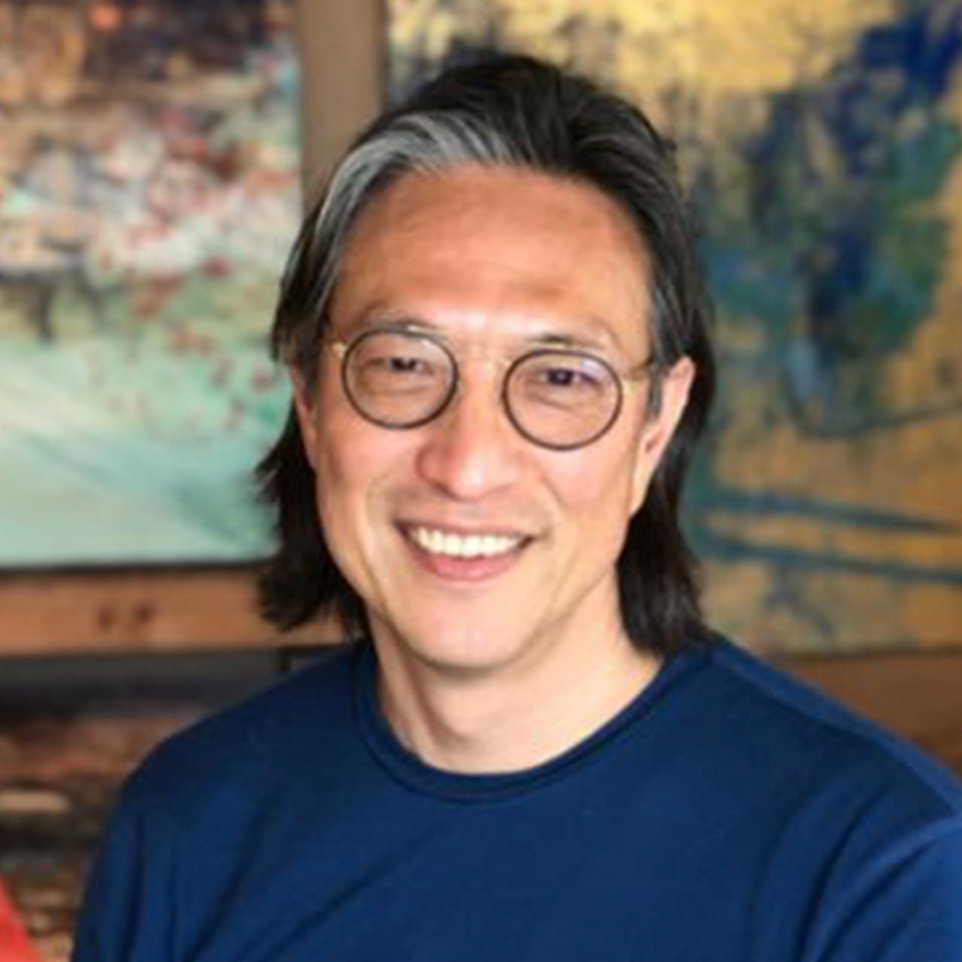
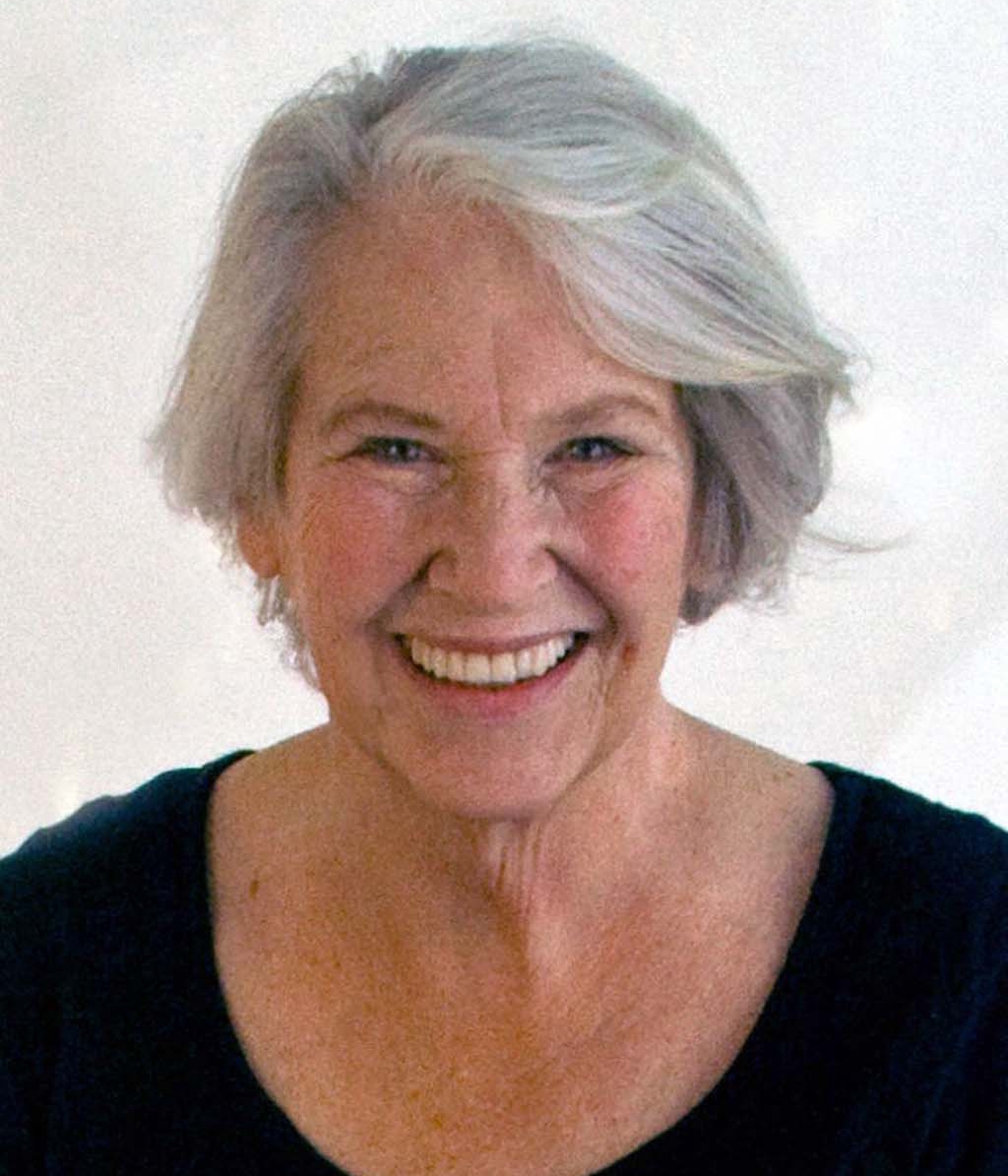
Episode 122: Beauty, art and justice - Haejin and Makoto Fujimura
Sep 14, 2026 · 56 min · 13 segments
A discussion about art, resistance, justice and beauty with artist Makoto Fujimura and human rights advocate Haejin Fujimura. !…
Sep 14, 2026 · 56 min · 13 segments
A discussion about art, resistance, justice and beauty with artist Makoto Fujimura and human rights advocate Haejin Fujimura. !…
 Makoto FujimuraGuestHyejin FujimuraGuestJontyHost
The issue that we're exploring at the moment with the magazine Shibboleth and also in the podcast, I guess, just by way of I share interviews between the two, has to do with the crossover between art and resistance today.
art and justice art and making the world i guess a better place um it's interesting that that um macro you described it as as a garden um rather than uh some kind of uh war and in the book um that you have just released beauty and justice but you which you've co-written but in that you talk about um not how unproductive culture wars often are particularly for artists.
And I think there's one line where you say, I actually wrote it down, neither camp truly cares about the artists who they employ on these kind of front lines of culture wars.
I wonder if you wanted to talk a little bit about the position of an artist in spaces that are so adversarial as they are today, particularly around issues of justice.

And, you know, this is, this came out of years of experiencing culture wars in America.
And first, I want to kind of peel back and talk about resistance as an artist.
And it's a word that we use have a framework, maybe an assumption of what that is.
But for an artist, you know, we use this thing called resist, which is a mask that you put on a canvas or paper which creates a negative space.
So it protects that space from getting painted, right? And so in my case, when I talk about resistance, it it's also you know pushing back against injustice pushing back against darkness which we do daily here uh on our knees um with with hedgen's work but um it's also in a way a positive work it's an intentional way of protecting a surface and creating something new out of it and so you know we think of resistance as a necessary way to seek justice, which it is, but it can also be a way to think about how we, for instance, if you are weight training, you use resistance to gain muscle, right, to get stronger.
And there's a sense in which resistance can also be something proactive and something that will allow us to gain strength.
And that's what I mean by generative living, generative thinking is that, you know, every setback is in a sense opportunity for Genesis moment to open up.
You know, there's something about that word which actually intrigued me as I was thinking about this podcast.
And as an artist, I think certainly cultured care, has both elements, caring for something with empathy, certainly, but being careful, right? That sense of being aware of what is happening and being diligent and having discernment.
And also, you know eliot also said teach us care not to care right the care has anxiety part to it you know um and and and the sense of impending um you know impending doom or impending um pushback or whatever that may be so so all these words are interesting to me to to think about
I'm loving that I'm getting the Elliot thing.
I freaking love Elliot, so that's great.
And that is because that's art, right? You are at one time caring and not to care in the thing because you have to be meticulous and you have to be focused and you have to learn the craft of it.
But also, unless you can get out of your own way, unless you can let go in some ways, you're not going to be able to create.
fantastic.
Hedja, do you feel that that dynamic exists in working for justice in a more direct
The issue that we're exploring at the moment with the magazine Shibboleth and also in the podcast, I guess, just by way of I share interviews between the two, has to do with the crossover between art and resistance today.
art and justice art and making the world i guess a better place um it's interesting that that um macro you described it as as a garden um rather than uh some kind of uh war and in the book um that you have just released beauty and justice but you which you've co-written but in that you talk about um not how unproductive culture wars often are particularly for artists.
And I think there's one line where you say, I actually wrote it down, neither camp truly cares about the artists who they employ on these kind of front lines of culture wars.
I wonder if you wanted to talk a little bit about the position of an artist in spaces that are so adversarial as they are today, particularly around issues of justice.
And, you know, this is, this came out of years of experiencing culture wars in America.
And first, I want to kind of peel back and talk about resistance as an artist.
And it's a word that we use have a framework, maybe an assumption of what that is.
But for an artist, you know, we use this thing called resist, which is a mask that you put on a canvas or paper which creates a negative space.
So it protects that space from getting painted, right? And so in my case, when I talk about resistance, it it's also you know pushing back against injustice pushing back against darkness which we do daily here uh on our knees um with with hedgen's work but um it's also in a way a positive work it's an intentional way of protecting a surface and creating something new out of it and so you know we think of resistance as a necessary way to seek justice, which it is, but it can also be a way to think about how we, for instance, if you are weight training, you use resistance to gain muscle, right, to get stronger.
And there's a sense in which resistance can also be something proactive and something that will allow us to gain strength.
And that's what I mean by generative living, generative thinking is that, you know, every setback is in a sense opportunity for Genesis moment to open up.
You know, there's something about that word which actually intrigued me as I was thinking about this podcast.
And as an artist, I think certainly cultured care, has both elements, caring for something with empathy, certainly, but being careful, right? That sense of being aware of what is happening and being diligent and having discernment.
And also, you know eliot also said teach us care not to care right the care has anxiety part to it you know um and and and the sense of impending um you know impending doom or impending um pushback or whatever that may be so so all these words are interesting to me to to think about
I'm loving that I'm getting the Elliot thing.
I freaking love Elliot, so that's great.
And that is because that's art, right? You are at one time caring and not to care in the thing because you have to be meticulous and you have to be focused and you have to learn the craft of it.
But also, unless you can get out of your own way, unless you can let go in some ways, you're not going to be able to create.
fantastic.
Hedja, do you feel that that dynamic exists in working for justice in a more direct
The rest of this transcript — segmented and speaker-labeled, so you land on the exact moment something was said
Search every transcript — by keyword, by phrase, or by meaning, across every show Radar indexes
Trends — what is surging across podcasts, measured against its own baseline
Alerts — when a name you follow appears in a newly indexed episode
No account is needed to search Radar.