Oct 13, 2026 · 51 min · 10 segments
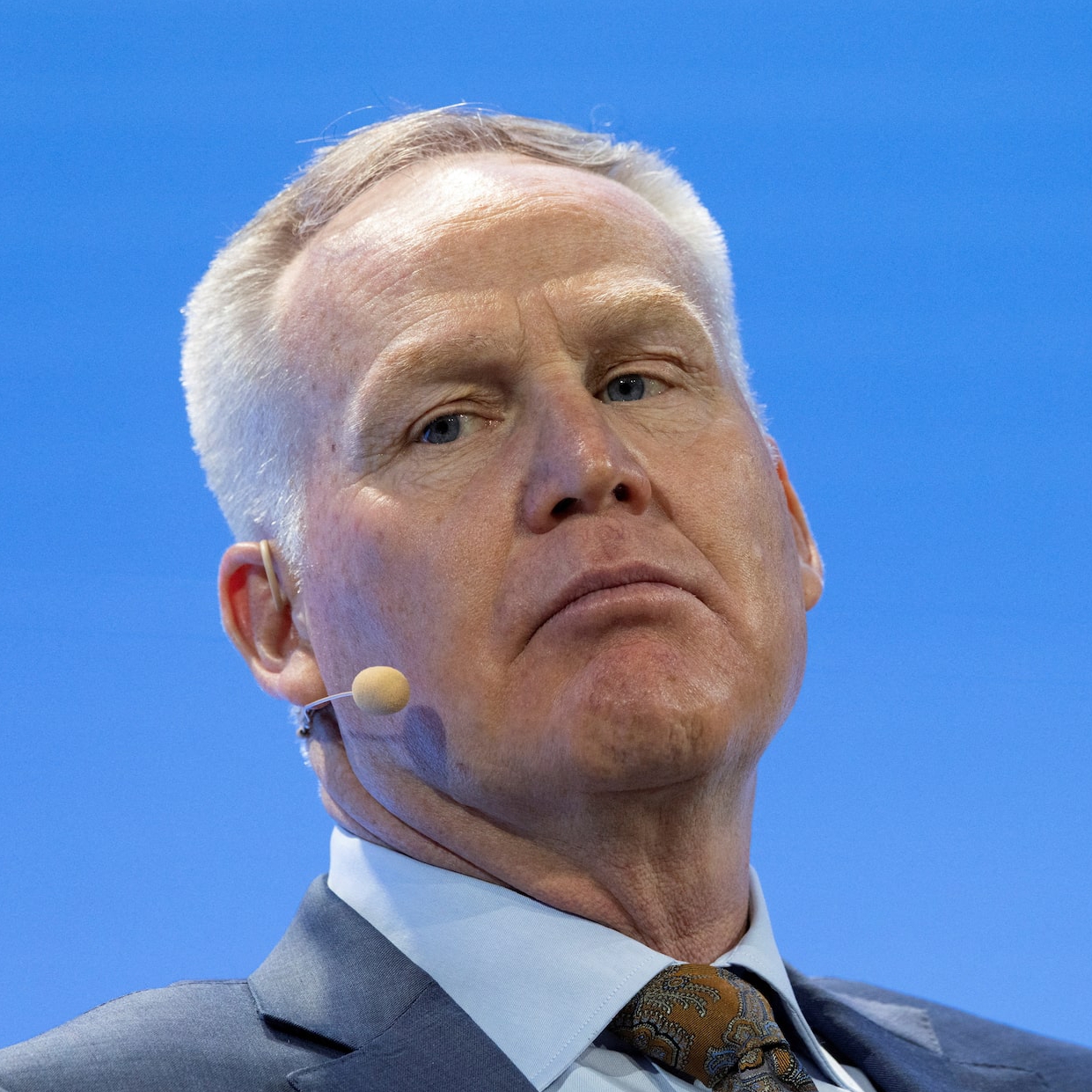
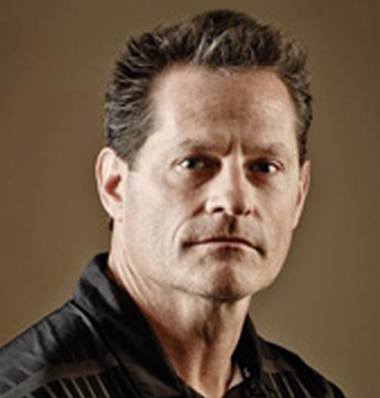
For Episode 5 of Barrels to Bytes, Ben Dell, Lloyd Byrne, and John Ordway are joined by Scott Sheffield, founding CEO of Pioneer Natural Resources and author of the new memoir *From Tehran to the…
Ben DellHost
John OrdwayHostYeah, there-- I look at it, there's ninety million people controlled by about two hundred thousand, uh, people in the IRGC.
Um, and, uh, it's, it's what's sad is it's what's-- it's a parallel to Cuba, in my opinion.
Cuba's been isolated for sixty-five years, controlled by, you know, just a small family, um, and their cohorts.
But, um, in Iran, uh, I've been navigating-- advocating for regime change of some kind because I think, uh, once-- if they ever get a chance to, uh, start exporting crude oil again, they're gonna rebuild missiles, drones, and nuclear weapons.
Uh, I think the, the, the sanctions right now and their economy, um, going downhill quick, hopefully.
It's sad when three thousand people last January were, um, martyred and killed.
The story in The Wall Street Journal last week about the Rah-Rah-Rahimi sisters, that the mother finally talked to a Wall Street investigative reporter, was very sad.

Scott, when you think about what's happening there and the impact it's had on the oil market, like, y-when you talked a lot about through the book about having a, a longer term vision.

Like, when you think about the oil market, what does that look like in your mind the next five years? And if you go back to your pioneer days, you know, you had your annual budgets, then you had your longer term perspectives.
I'm, I'm a firm belief from both a geological standpoint and engineering standpoint, there's lots of oil left in the world.
Most of it's in political, um, countries that either don't let Western capital come in, but you can go from, uh, you know, from Mex-- im-- a country just south of us, Mexico, is not allowing much Western capital.
Yeah, there-- I look at it, there's ninety million people controlled by about two hundred thousand, uh, people in the IRGC.
Um, and, uh, it's, it's what's sad is it's what's-- it's a parallel to Cuba, in my opinion.
Cuba's been isolated for sixty-five years, controlled by, you know, just a small family, um, and their cohorts.
But, um, in Iran, uh, I've been navigating-- advocating for regime change of some kind because I think, uh, once-- if they ever get a chance to, uh, start exporting crude oil again, they're gonna rebuild missiles, drones, and nuclear weapons.
Uh, I think the, the, the sanctions right now and their economy, um, going downhill quick, hopefully.
It's sad when three thousand people last January were, um, martyred and killed.
The story in The Wall Street Journal last week about the Rah-Rah-Rahimi sisters, that the mother finally talked to a Wall Street investigative reporter, was very sad.

Scott, when you think about what's happening there and the impact it's had on the oil market, like, y-when you talked a lot about through the book about having a, a longer term vision.

Like, when you think about the oil market, what does that look like in your mind the next five years? And if you go back to your pioneer days, you know, you had your annual budgets, then you had your longer term perspectives.
I'm, I'm a firm belief from both a geological standpoint and engineering standpoint, there's lots of oil left in the world.
Most of it's in political, um, countries that either don't let Western capital come in, but you can go from, uh, you know, from Mex-- im-- a country just south of us, Mexico, is not allowing much Western capital.
The rest of this transcript — segmented and speaker-labeled, so you land on the exact moment something was said
Search every transcript — by keyword, by phrase, or by meaning, across every show Radar indexes
Trends — what is surging across podcasts, measured against its own baseline
Alerts — when a name you follow appears in a newly indexed episode
No account is needed to search Radar.