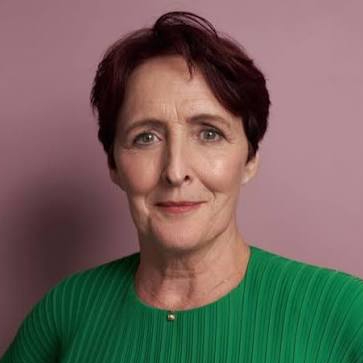
Jonathan CakeGuest
Charles KirschHost
And so what was it like for you to sort of develop your acting style as a very young person taking on Shakespeare and all of that? Being called whingingly awful.

I... you know, I felt like I really grew up sort of immersed in that stuff, which of course now feels like a kind of dying tradition.

I mean, you know, like, gosh, I sound so old, but like so much else about 20th century theatre, which is because when I grew up and started doing it, it all just seemed so ridiculously antiquated.

I mean, it's sort of impossible to imagine now, but you know, no one was might and you wouldn't dream of being might.

So growing up in that world, I felt totally immersed in Shakespeare and other classical plays because of that training in the MIT.

And I went to university to read English and then went to drama school after that.

I went to the RSC almost immediately after leaving Bristol and Vic Theatre School.

I went to the RSC for two years and did do some classical theatre, but then nothing until, get this, Charles, I came to live in New York.

and that's when I really I started playing all these big Shakespeare parts I played you know Benedict in Much Ado About Nothing for Theatre for a New Audience and then I did The Duke in Measure for Measure same same company and I played Coriolanus for the Public Theatre Shakespeare in the Park and I did Macbeth and The Old Globe and San Diego and Yakima on Broadway in Lincoln Center.

So I have New York to thank for so much, but partly that it got me back to doing these great parts, which I'd always dreamed, sort of rather thought was my inevitable fate.

And so coming out of this National Youth Theatre, how did you decide where to study in terms of college and all of that? Well, honestly, Charles, by

that time, I'd spent so much time in darkened rooms doing these plays that it was really wonderful, actually.

I hadn't quite got the Malcolm Gladwell 10,000 hours, but I got a good number of hours.
The rest of this transcript — segmented and speaker-labeled, so you land on the exact moment something was said
Search every transcript — by keyword, by phrase, or by meaning, across every show Radar indexes
Trends — what is surging across podcasts, measured against its own baseline
Alerts — when a name you follow appears in a newly indexed episode
No account is needed to search Radar.