Azeem Azhar's Exponential View
Apr 10, 2025 · 42 min · 12 segments
Azeem Azhar welcomes Packy McCormick, founder and investor at Not Boring, to discuss the current tech landscape. In this episode you'll hear: (01:50) What Packy got wrong (and right) about Web3…
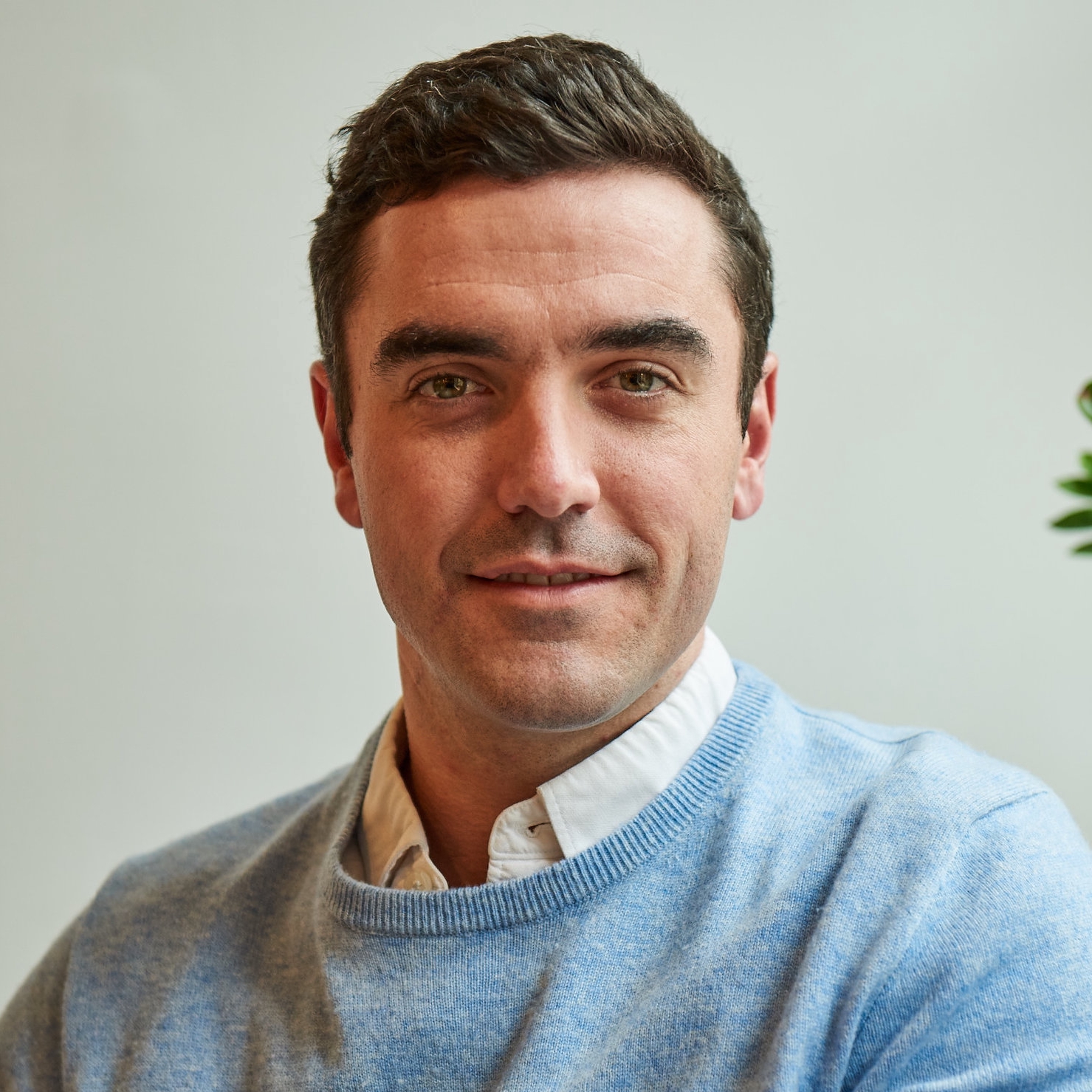
Packy McCormickGuest
And I think for a very long time, I mean, I've written about this a little bit.

It really just like looking at the history of when things get commoditized, what happens and, you know, value appears at the next layer, then the next layer, then the next layer.

And speaking to Tina today, who wrote a great piece on Jevin's paradox as it applies to people.

And I think like everybody who's thinking a lot about this, like it's the same point, which is where this leads is like you kind of have to be the best version of yourself.

And I think like kind of human differentiation and figuring out what you want to get out of all of this, assuming that we have kind of world historical superpowers right at our fingertips, ends up being the most important thing.

So maybe it is kind of beautiful that even if the economy and everything gets abstracted away and is available kind of at the click of a button, there's still more for us to experience and do.
I love the way you said that, actually, this idea that we have to be the best people we can be, which in of itself also talks to that process of discovery, right? How do you go about discovering who you are and what you can be? And it reminds me a little bit of the discussion I had with Kevin Kelly a couple of weeks ago, who was a co-founder of Wired.
I mean, I think it was, people will just be able to express themselves more because we have these amazing machines around us doing it all for us.
But I guess the counter argument to that would be, In a way, we do have those amazing machines today and have had for 20 or 30 years.
And yet, a lot of people don't feel they get an opportunity to express themselves in the best way.
So there is something that is not about the technology that gets in the way, that constructs a sort of consumptive, taker-not-maker culture.
So what do you think is that source that gets people wanting to be And makers finding their best selves.

It took me until I was 20, 30, 32 to start kind of writing and going that way.

And I think one of the questions that came to my head is like, do you need to be a certain level of financially secure? Certainly, there's always a starting artist and all of that.

But I think there's a lot of people who like kind of get to a point of financial security and then they can figure out kind of how they want to be their best self.

And I think for a very long time, I mean, I've written about this a little bit.

It really just like looking at the history of when things get commoditized, what happens and, you know, value appears at the next layer, then the next layer, then the next layer.

And speaking to Tina today, who wrote a great piece on Jevin's paradox as it applies to people.

And I think like everybody who's thinking a lot about this, like it's the same point, which is where this leads is like you kind of have to be the best version of yourself.

And I think like kind of human differentiation and figuring out what you want to get out of all of this, assuming that we have kind of world historical superpowers right at our fingertips, ends up being the most important thing.

So maybe it is kind of beautiful that even if the economy and everything gets abstracted away and is available kind of at the click of a button, there's still more for us to experience and do.
I love the way you said that, actually, this idea that we have to be the best people we can be, which in of itself also talks to that process of discovery, right? How do you go about discovering who you are and what you can be? And it reminds me a little bit of the discussion I had with Kevin Kelly a couple of weeks ago, who was a co-founder of Wired.
I mean, I think it was, people will just be able to express themselves more because we have these amazing machines around us doing it all for us.
But I guess the counter argument to that would be, In a way, we do have those amazing machines today and have had for 20 or 30 years.
And yet, a lot of people don't feel they get an opportunity to express themselves in the best way.
So there is something that is not about the technology that gets in the way, that constructs a sort of consumptive, taker-not-maker culture.
So what do you think is that source that gets people wanting to be And makers finding their best selves.

It took me until I was 20, 30, 32 to start kind of writing and going that way.

And I think one of the questions that came to my head is like, do you need to be a certain level of financially secure? Certainly, there's always a starting artist and all of that.

But I think there's a lot of people who like kind of get to a point of financial security and then they can figure out kind of how they want to be their best self.
The rest of this transcript — segmented and speaker-labeled, so you land on the exact moment something was said
Search every transcript — by keyword, by phrase, or by meaning, across every show Radar indexes
Trends — what is surging across podcasts, measured against its own baseline
Alerts — when a name you follow appears in a newly indexed episode
No account is needed to search Radar.