Sep 8, 2026 · 35 min · 13 segments
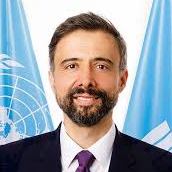
Growing up in rural Spain, Alvaro Lario's parents managed a small fruit farm that sold melons in local villages. Now he is President of the UN International Fund for Agricultural Development (IFAD)…
Alvaro LarioGuest
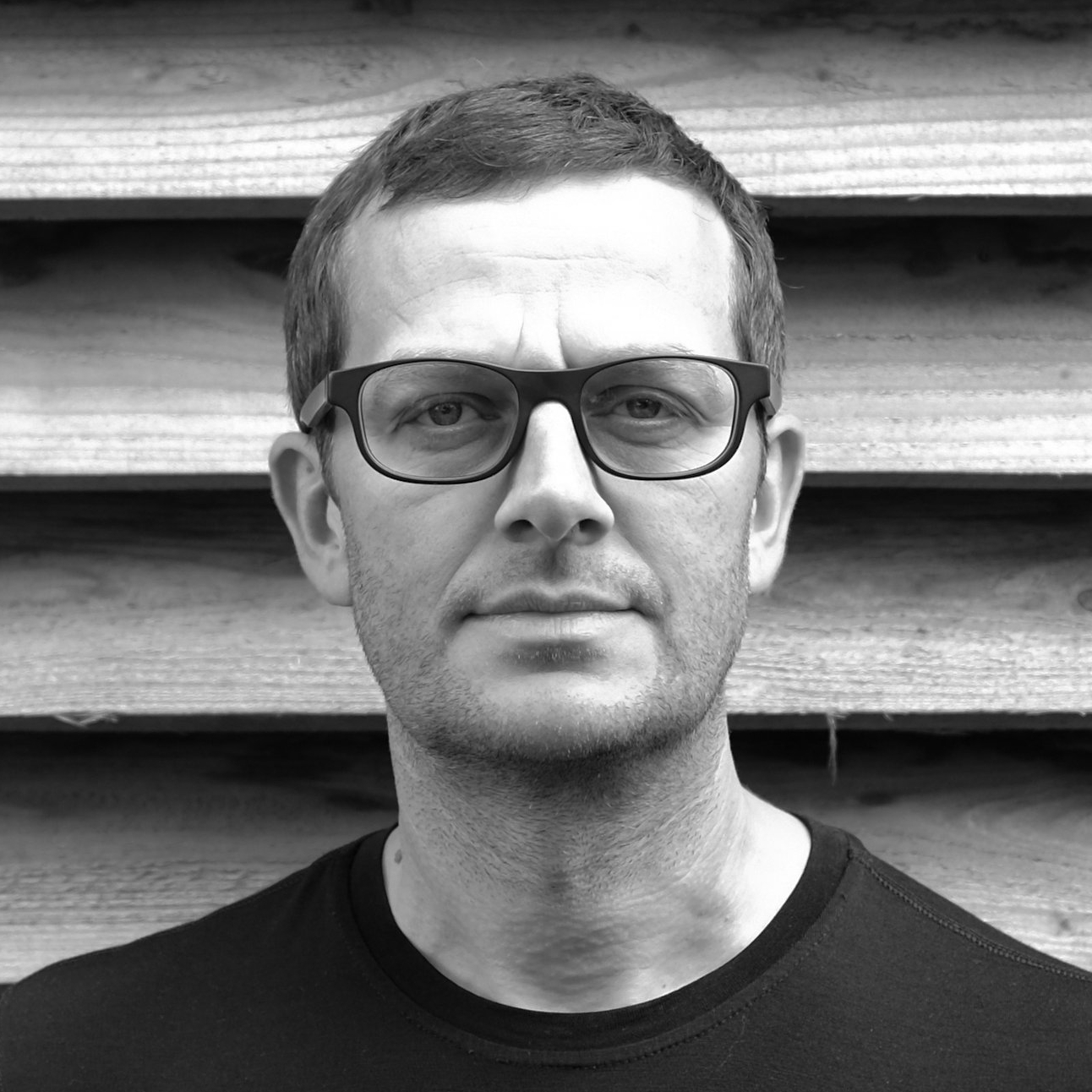
Melissa FlemingHost
You go out and give them some know-how, some assistance, some tools, maybe some seeds, and then you go away.

yes i would say probably in resilience self-reliance the ability you could argue at a very global level foods over an 80 but yeah it's it's about really creating that type of economic opportunities in remote areas which is much more complicated and also in the least developed countries and especially in fragile affected countries so one-third of our portfolio is currently in fragile affected countries so very direct situations remote areas and trying to create economic opportunities that can last when we are not there anymore.

We are there with the communities, supporting them in a lot of the implementation and creating those conditions with the government, with the farmers' organizations.

You mentioned that there are actual investors in this fund, so it's not just World Bank, IMF, because their raison d'etre is to invest to do good in the world.


We have a financing framework where we show all of those impact measures and they can actually claim that those are real and they are supporting whether it's women, whether it's children.

So I think that's the beauty of connecting actual global capital markets to this first mile.

I mean, you mentioned that all of this opportunity, this kind of investment model is the reason that you decided to join the UN.

Yes, I mean, it was just for me a fantastic opportunity of making all of this happen.

Obviously, I was coming before from the private sector arm of the World Bank, private sector, academia, business school.

You go out and give them some know-how, some assistance, some tools, maybe some seeds, and then you go away.

yes i would say probably in resilience self-reliance the ability you could argue at a very global level foods over an 80 but yeah it's it's about really creating that type of economic opportunities in remote areas which is much more complicated and also in the least developed countries and especially in fragile affected countries so one-third of our portfolio is currently in fragile affected countries so very direct situations remote areas and trying to create economic opportunities that can last when we are not there anymore.

We are there with the communities, supporting them in a lot of the implementation and creating those conditions with the government, with the farmers' organizations.

You mentioned that there are actual investors in this fund, so it's not just World Bank, IMF, because their raison d'etre is to invest to do good in the world.


We have a financing framework where we show all of those impact measures and they can actually claim that those are real and they are supporting whether it's women, whether it's children.

So I think that's the beauty of connecting actual global capital markets to this first mile.

I mean, you mentioned that all of this opportunity, this kind of investment model is the reason that you decided to join the UN.

Yes, I mean, it was just for me a fantastic opportunity of making all of this happen.

Obviously, I was coming before from the private sector arm of the World Bank, private sector, academia, business school.
The rest of this transcript — segmented and speaker-labeled, so you land on the exact moment something was said
Search every transcript — by keyword, by phrase, or by meaning, across every show Radar indexes
Trends — what is surging across podcasts, measured against its own baseline
Alerts — when a name you follow appears in a newly indexed episode
No account is needed to search Radar.