I don't really understand what this means what your question means so 18th century instruments are tuned slightly lower the strings are not.
The strings are different the bows are slightly different so it's a. it's a it's a softer less vibrant sound maybe and modern instruments which is what or the new york philharmonic or the chicago symphony play have have uh they're tuned higher and they're they're just brighter they're brighter and they make a brighter and bigger sound so okay I loved singing with any of the orchestras that were doing 18th century repertoire on 18th century instruments because I just felt like I could fit into it so much better.
But remember, by the 1980s, even the so-called modern instrument orchestras, were being informed by all the work that was being done by the early instrument orchestras and they were adjusting they were modifying they were changing slightly changing the way they approached music because they were listening and learning from the the early instrument orchestras
Well, it's kind of like when you used to subscribe to Berlin and we watched Simon Rattle do the Matthew Passion.
They were holding the bows differently and, you know, it was still Berlin, but it was clearly very much informed.
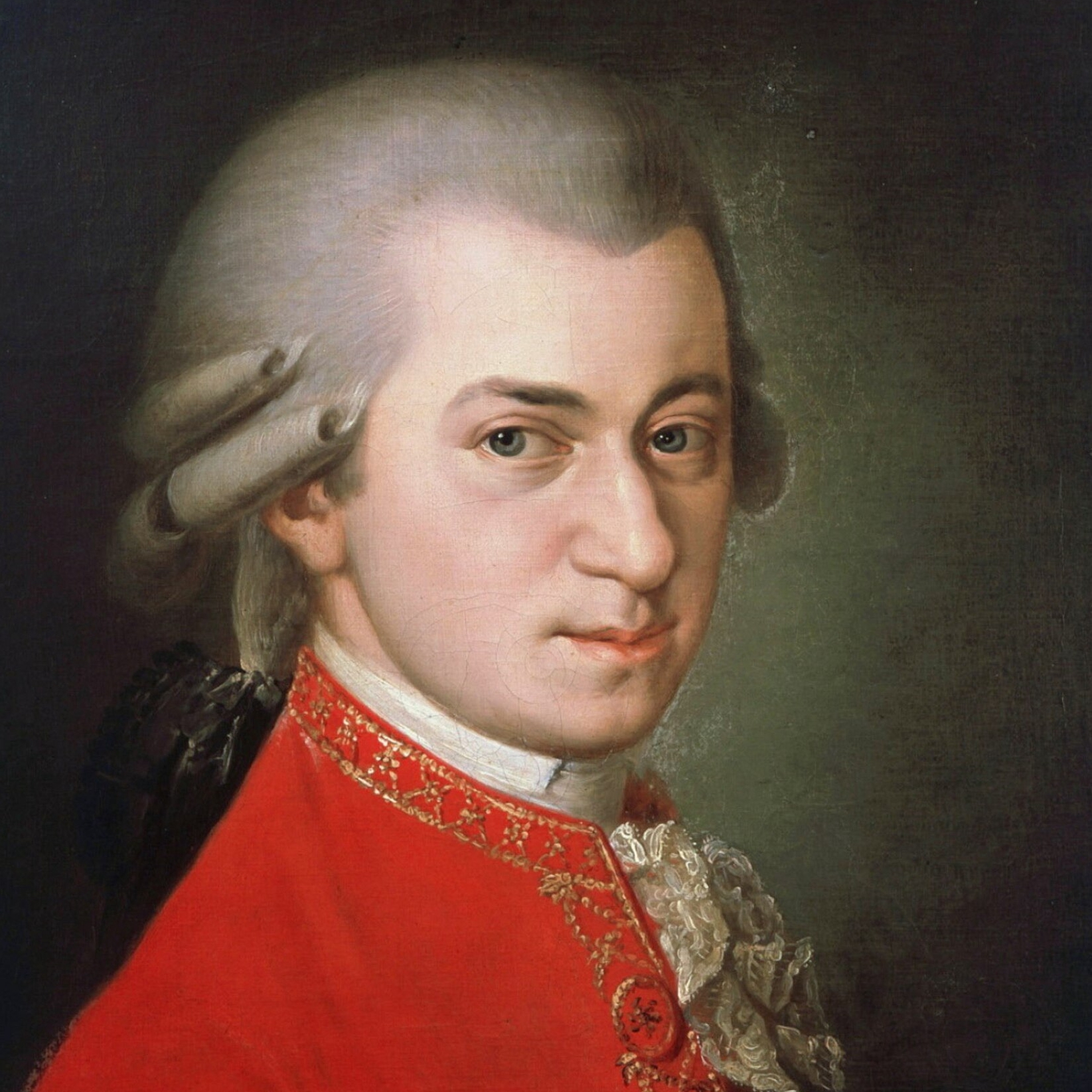
So that is that is honestly, we were talking with the musicologist Pierpaolo Polzinetti, and he was just it was just this most beautiful conversation about how when Mozart was writing this, It's really about birth and about motherhood.
And the fact that the soprano gets this absolutely breathtaking moment with those three wind instruments in that cadenza, which is just utterly...
Are you actually able, as a singer in those moments, to just bask in the beauty? Or are you just, you're on contract, you are on the clock, and you have to just be, you know, counting.
And the only other piece I've ever sung that even competes with it in difficulty and length would be those two arias... that are back to back uh from the abduction from the seraglio traurigkeit and martin a la artin you do those two back to back and it's more than eight and a half minutes in any case the the edin karnatus est is not something that i recall having a sublime experience with because Quite honestly, I was just trying to get through it.
Because frankly, when I sang Mahler 2, when I sang Mahler 4, when I sang Mahler 8, when I sang Mozart Requiem, when I sang a lot of Bach, a lot of Bach, when I sang Messiah, what we started this conversation talking about, I was able to experience The spirituality of the text and the music and the way they worked together.
The rest of this transcript — segmented and speaker-labeled, so you land on the exact moment something was said
Search every transcript — by keyword, by phrase, or by meaning, across every show Radar indexes
Trends — what is surging across podcasts, measured against its own baseline
Alerts — when a name you follow appears in a newly indexed episode
No account is needed to search Radar.