May 21, 2026 · 10 min · 5 segments
This is an AI reading of my substack post found here: https://anglicanaesthetics.substack.com/p/the-glory-of-the-ascension
First, Christ's work as High Priest could never have been completed unless he ascended to the Holy of Holies to present his body and blood to the Father.
Second, Christ ascended that he might first teach us, before his return, that he makes continual intercession for us in the interim before his return.
By staying in the heavenly throne room, Christ indicates that the offer of repentance is available, that he may still plead his blood for those who want to trust in him.
Third, his ascension and ongoing presence by the Holy Spirit establishes a continual witness and opportunity for God's people to represent Christ in the world.
By ascending to heaven, he empowers the Church to genuinely and authentically proclaim his name, showing his glory by accomplishing in unworthy people works that otherwise would never be accomplished, showcasing the depths of redemption.
One, the completion of his atonement in the Levitical system of atonement.
Atonement was not accomplished by the slaying of the animal.
This was not where the act of sacrifice was completed.
Of course, in one sense, the act of sacrifice is made in the slaying of the animal, but it is completed in the presentation of the blood in the Holy of Holies.
Twenty-five, nor was it to offer himself repeatedly, as the high priest enters the holy places every year with blood not his own.
Twenty-six, for then he would have had to suffer repeatedly since the foundation of the world.
But as it is, he has appeared once for all at the end of the ages to put away sin by the sacrifice of himself.
Twenty-seven, and just as it is appointed for man to die once, and after that comes judgment.
Twenty-eight, so Christ, having been offered once to bear the sins of many, will appear a second time, not to deal with sin, but to save those who are eagerly waiting for him.
The presentation of blood in the Holy of Holies is the presentation of the gift of life to God on behalf of the people.
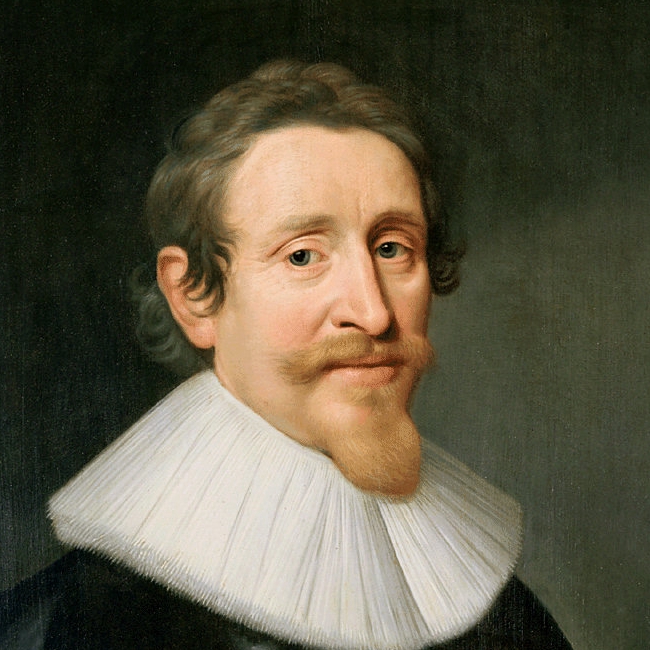
Hence, in his annotations and paraphrases on the New Testament, the Anglican bishop Daniel Whitby writes of Hebrews eight, "For that oblation," saith Hugo Grotius, "must here be understood that which answers to the legal oblation made in the Holy of Holies, which the oblation of Christ upon the cross does not, but rather his oblation in the heavens.
Against this interpretation, some object that Christ presenting himself with his blood in the heavens is never styled an oblation.
But that is a plain mistake.
See note on chapter eight colon three, four, and of evil consequence.
For if Christ had no oblation to offer in heaven, he could not be a high priest there, since every high priest must have something to offer in that sanctuary in which he exercises his priestly office.
But yet, it being said not that he offered up his blood, but that he offered up himself, which he did upon the cross, Ephesians five verse two, Hebrews nine verses twenty-five and twenty-eight, and the oblation of the sacrifice being properly the giving it up to death, or to be a piacular victim in the sinner's stead, these words may very well be thus interpreted, who through the Holy Spirit, by which he was sanctified from the very womb, offered himself a piacular victim without spot to God.
First, Christ's work as High Priest could never have been completed unless he ascended to the Holy of Holies to present his body and blood to the Father.
Second, Christ ascended that he might first teach us, before his return, that he makes continual intercession for us in the interim before his return.
By staying in the heavenly throne room, Christ indicates that the offer of repentance is available, that he may still plead his blood for those who want to trust in him.
Third, his ascension and ongoing presence by the Holy Spirit establishes a continual witness and opportunity for God's people to represent Christ in the world.
By ascending to heaven, he empowers the Church to genuinely and authentically proclaim his name, showing his glory by accomplishing in unworthy people works that otherwise would never be accomplished, showcasing the depths of redemption.
One, the completion of his atonement in the Levitical system of atonement.
Atonement was not accomplished by the slaying of the animal.
This was not where the act of sacrifice was completed.
Of course, in one sense, the act of sacrifice is made in the slaying of the animal, but it is completed in the presentation of the blood in the Holy of Holies.
Twenty-five, nor was it to offer himself repeatedly, as the high priest enters the holy places every year with blood not his own.
Twenty-six, for then he would have had to suffer repeatedly since the foundation of the world.
But as it is, he has appeared once for all at the end of the ages to put away sin by the sacrifice of himself.
Twenty-seven, and just as it is appointed for man to die once, and after that comes judgment.
Twenty-eight, so Christ, having been offered once to bear the sins of many, will appear a second time, not to deal with sin, but to save those who are eagerly waiting for him.
The presentation of blood in the Holy of Holies is the presentation of the gift of life to God on behalf of the people.
Hence, in his annotations and paraphrases on the New Testament, the Anglican bishop Daniel Whitby writes of Hebrews eight, "For that oblation," saith Hugo Grotius, "must here be understood that which answers to the legal oblation made in the Holy of Holies, which the oblation of Christ upon the cross does not, but rather his oblation in the heavens.
Against this interpretation, some object that Christ presenting himself with his blood in the heavens is never styled an oblation.
But that is a plain mistake.
See note on chapter eight colon three, four, and of evil consequence.
For if Christ had no oblation to offer in heaven, he could not be a high priest there, since every high priest must have something to offer in that sanctuary in which he exercises his priestly office.
But yet, it being said not that he offered up his blood, but that he offered up himself, which he did upon the cross, Ephesians five verse two, Hebrews nine verses twenty-five and twenty-eight, and the oblation of the sacrifice being properly the giving it up to death, or to be a piacular victim in the sinner's stead, these words may very well be thus interpreted, who through the Holy Spirit, by which he was sanctified from the very womb, offered himself a piacular victim without spot to God.
The rest of this transcript — segmented and speaker-labeled, so you land on the exact moment something was said
Search every transcript — by keyword, by phrase, or by meaning, across every show Radar indexes
Trends — what is surging across podcasts, measured against its own baseline
Alerts — when a name you follow appears in a newly indexed episode
No account is needed to search Radar.