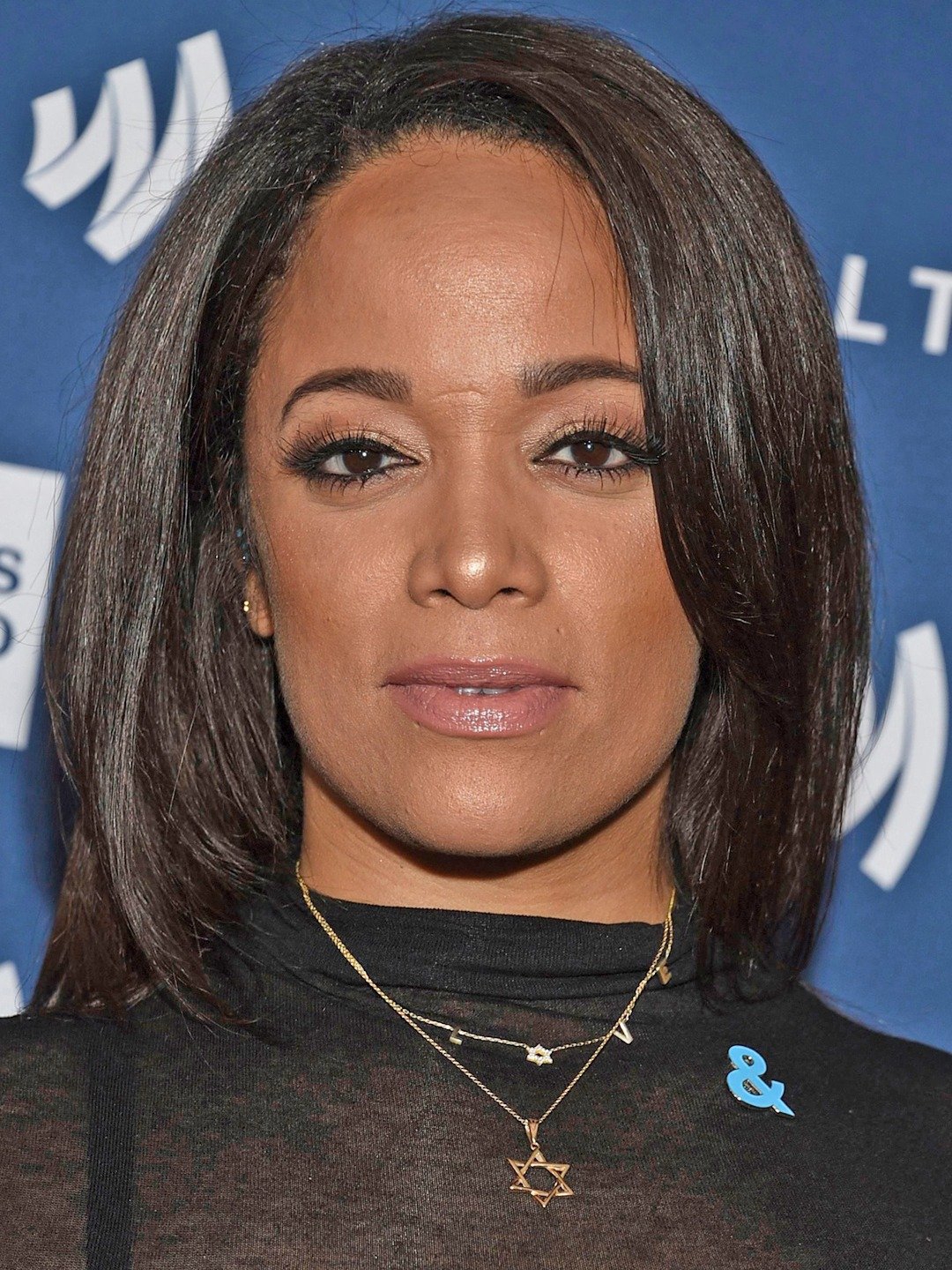
Calum MarshGuest
Jeff St. PierreHost
Okay, so I have this personal theory that every reality show works for one season.

Like, once you've done it once, people see it, and they know how to game the system.

So, like, back in 2002, looking at what was available for what we now know as reality TV, everything was still really new.

So you didn't have people gaming the system yet on things like Survivor or The Bachelor, which were the hot, new shows back then.

And I think as, over time, as people have become more used to knowing how to work the system, some of the, like, spontaneous charm has left a little bit.

And of course, now it's already correlated with the rise of, you know, social media and influencers and content creators, a lot of whom go on to reality TV.

And so you get this kind of feedback loop where people are hyper-aware of how they come across on camera or on, on the show.

People did not know how [laughs] to act on camera, and you got a lot more craziness out of it, I think.

I'm gonna skip ahead just a little bit here because of what you just mentioned, Calum, with influencers and people being concerned about how they come across on the show.

So on a lot of these reality shows, the contestants don't really get paid, or, or they don't get paid much.

But they can go on these shows with just the goal of trying to build a personality or, or a brand, if you will, and then sell it, which again, is something very different than when I was studying this over 20 years ago.

So how reality TV has transitioned with the rise of social media i- is truly fascinating to me.

Like, I was recently watching, uh, an Australian reality TV show, Married at First Sight.

They, they have an American version, too, but as, it's exactly what it sounds like.

Married at First Sight, it's a game, sort of a game show where they connect two people who've never met, they get married right away, and it's, like, to see if they can be a good match, and they win if they stay together.

One of the constant accusations that comes up is that one of the couples will say, like, "I think you're only here, you know, to be on TV, to get popular on the internet." And I think that's something that you didn't hear about much, like, in 2001, 2002, even though you still, of course, could have gone on a reality show simply to get famous.

But there was more, I don't know, like, an assumption that you're there, I don't wanna say for the right reasons, because it's a bit dubious in reality, but certainly not with, like, a secondary motive, which is, like, building an Instagram following or becoming a content creator or something.

It was like, "You're obviously here to participate in Survivor," or, like, even, remember the, um, wh- Who Wants to, to Marry a Millionaire?

It was like, I don't think anyone was there thinking like, "Oh, they're there just to..." You know, there was no social media following.

Okay, so I have this personal theory that every reality show works for one season.

Like, once you've done it once, people see it, and they know how to game the system.

So, like, back in 2002, looking at what was available for what we now know as reality TV, everything was still really new.

So you didn't have people gaming the system yet on things like Survivor or The Bachelor, which were the hot, new shows back then.

And I think as, over time, as people have become more used to knowing how to work the system, some of the, like, spontaneous charm has left a little bit.

And of course, now it's already correlated with the rise of, you know, social media and influencers and content creators, a lot of whom go on to reality TV.

And so you get this kind of feedback loop where people are hyper-aware of how they come across on camera or on, on the show.

People did not know how [laughs] to act on camera, and you got a lot more craziness out of it, I think.

I'm gonna skip ahead just a little bit here because of what you just mentioned, Calum, with influencers and people being concerned about how they come across on the show.

So on a lot of these reality shows, the contestants don't really get paid, or, or they don't get paid much.

But they can go on these shows with just the goal of trying to build a personality or, or a brand, if you will, and then sell it, which again, is something very different than when I was studying this over 20 years ago.

So how reality TV has transitioned with the rise of social media i- is truly fascinating to me.

Like, I was recently watching, uh, an Australian reality TV show, Married at First Sight.

They, they have an American version, too, but as, it's exactly what it sounds like.

Married at First Sight, it's a game, sort of a game show where they connect two people who've never met, they get married right away, and it's, like, to see if they can be a good match, and they win if they stay together.

One of the constant accusations that comes up is that one of the couples will say, like, "I think you're only here, you know, to be on TV, to get popular on the internet." And I think that's something that you didn't hear about much, like, in 2001, 2002, even though you still, of course, could have gone on a reality show simply to get famous.

But there was more, I don't know, like, an assumption that you're there, I don't wanna say for the right reasons, because it's a bit dubious in reality, but certainly not with, like, a secondary motive, which is, like, building an Instagram following or becoming a content creator or something.

It was like, "You're obviously here to participate in Survivor," or, like, even, remember the, um, wh- Who Wants to, to Marry a Millionaire?

It was like, I don't think anyone was there thinking like, "Oh, they're there just to..." You know, there was no social media following.
The rest of this transcript — segmented and speaker-labeled, so you land on the exact moment something was said
Search every transcript — by keyword, by phrase, or by meaning, across every show Radar indexes
Trends — what is surging across podcasts, measured against its own baseline
Alerts — when a name you follow appears in a newly indexed episode
No account is needed to search Radar.