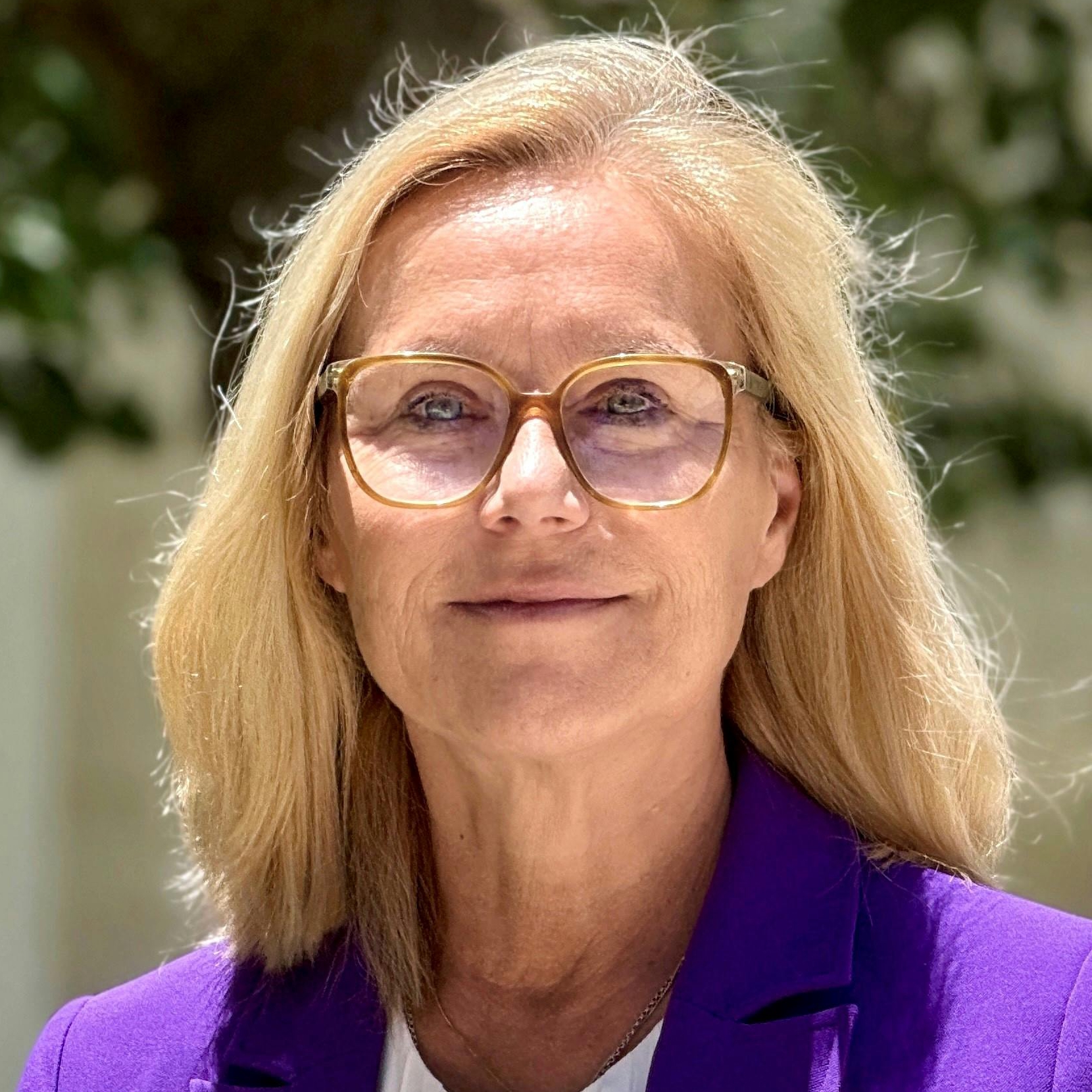
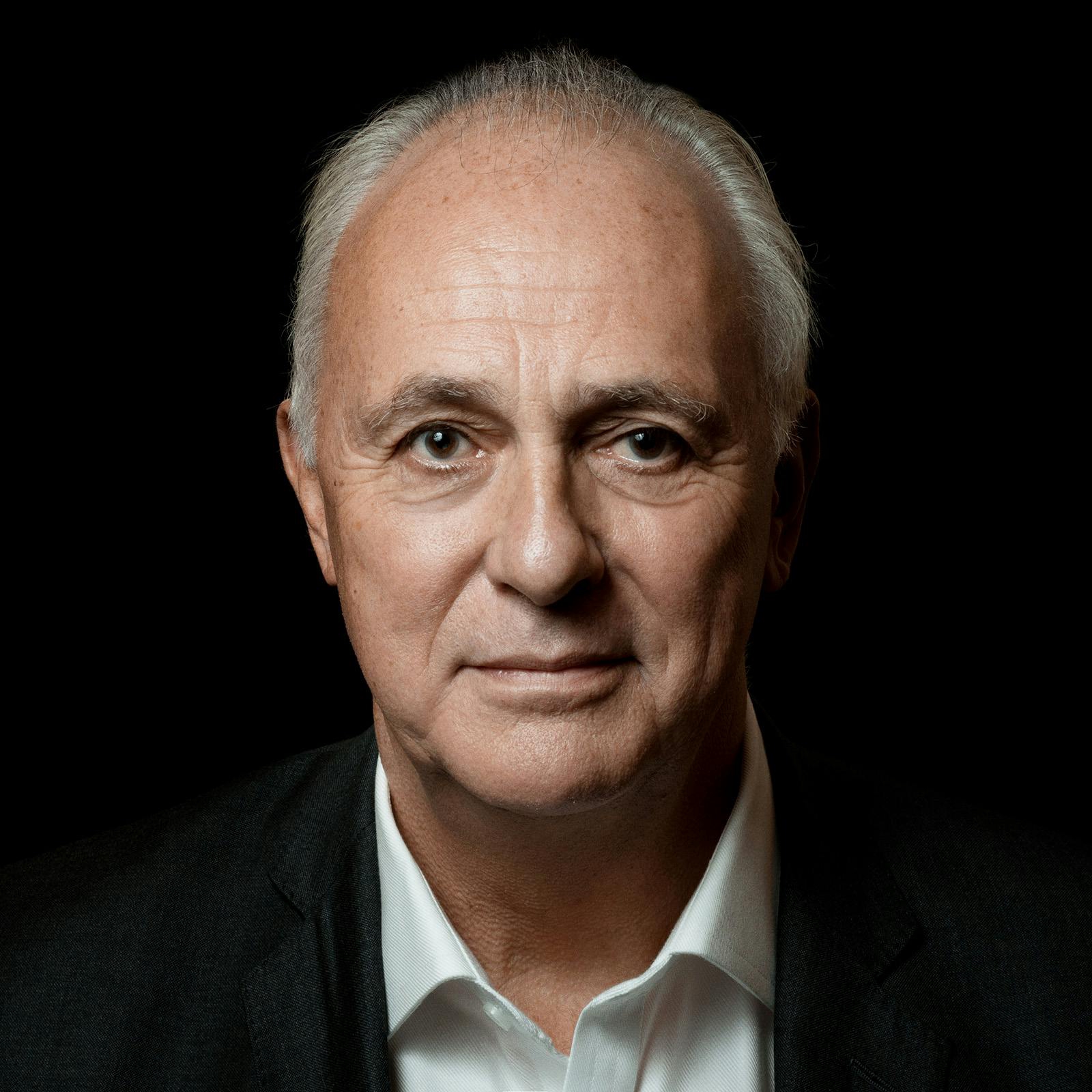
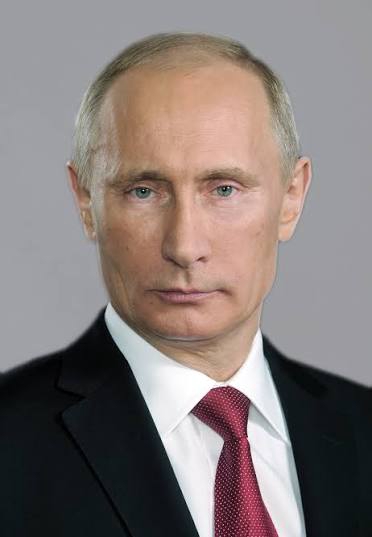
Jasmin BaoumyHost
Sigrid KaagGuest
Arathi KrishnanGuest
Mark Malloch BrownHost
A few days after the London Summit, Ban Ki-moon set up a task force that got these institutions working together.

He was a public health leader and not an expert on food systems, and he was something of a maverick.

He had a tiny budget and little formal authority, but he spent his days doing what he described as herding cats, stopping interagency warfare and getting the system to work together.

The plan was unusual in that it focused on both the short and the long term: get food to people immediately and fix deep-seated problems that have caused the crisis at the same time.
Not easy to do, not a muscle that was often flexed in the UN system.
That plan of action was important.

The next step was getting the world on board, and so Ban and his task force brought the plan to a summit hosted by the Food and Agriculture Organization, the FAO, in Rome.

This wasn't the international system talking to itself, but it was a chance to pitch to heads of state.
Pulling heads of state together, showing it was at their level to solve, and many, many, many came.
I think this was, you know, unprecedented.
This had never happened before.

Josette found that some of the most important work was happening behind the scenes of these official meetings.
So to be there in one of the Rome palazzos, which is where they host everything, a beautiful place, with all these heads of state coming together was really important to me as the head of the World Food Programme, 'cause we didn't have the power to convene the level needed to solve this problem.

Josette and her team managed to convince them to exempt the World Food Programme from their export bans.

And as the summit wrapped up, Ban Ki-moon held a press conference, and in it, he called for a global coalition to fix the broken food system, and he made clear exactly what was at stake.
While we do not know all the answers, we know what is most needed now and in the near future.
This is a fight we cannot afford to lose.
The enemy is hunger.
Hunger degrades everything we have been fighting for in recent years and decades.
Recent riots and protests show that hunger and the threat of hunger, uh, breed unrest and instability.
We are duty-bound to act now and to act as one.

A few days after the London Summit, Ban Ki-moon set up a task force that got these institutions working together.

He was a public health leader and not an expert on food systems, and he was something of a maverick.

He had a tiny budget and little formal authority, but he spent his days doing what he described as herding cats, stopping interagency warfare and getting the system to work together.

The plan was unusual in that it focused on both the short and the long term: get food to people immediately and fix deep-seated problems that have caused the crisis at the same time.
Not easy to do, not a muscle that was often flexed in the UN system.
That plan of action was important.

The next step was getting the world on board, and so Ban and his task force brought the plan to a summit hosted by the Food and Agriculture Organization, the FAO, in Rome.

This wasn't the international system talking to itself, but it was a chance to pitch to heads of state.
Pulling heads of state together, showing it was at their level to solve, and many, many, many came.
I think this was, you know, unprecedented.
This had never happened before.

Josette found that some of the most important work was happening behind the scenes of these official meetings.
So to be there in one of the Rome palazzos, which is where they host everything, a beautiful place, with all these heads of state coming together was really important to me as the head of the World Food Programme, 'cause we didn't have the power to convene the level needed to solve this problem.

Josette and her team managed to convince them to exempt the World Food Programme from their export bans.

And as the summit wrapped up, Ban Ki-moon held a press conference, and in it, he called for a global coalition to fix the broken food system, and he made clear exactly what was at stake.
While we do not know all the answers, we know what is most needed now and in the near future.
This is a fight we cannot afford to lose.
The enemy is hunger.
Hunger degrades everything we have been fighting for in recent years and decades.
Recent riots and protests show that hunger and the threat of hunger, uh, breed unrest and instability.
We are duty-bound to act now and to act as one.
The rest of this transcript — segmented and speaker-labeled, so you land on the exact moment something was said
Search every transcript — by keyword, by phrase, or by meaning, across every show Radar indexes
Trends — what is surging across podcasts, measured against its own baseline
Alerts — when a name you follow appears in a newly indexed episode
No account is needed to search Radar.