Sep 28, 2026 · 59 min · 13 segments
J. Eric Lynxwiler steps into the *Fright Shift* as an urban anthropologist, author, historian, and graphic designer whose deep connection to Knott’s Berry Farm has shaped decades of storytelling about…
Ted DohertyHost
Eric LinksweilerGuest
A cinematic tradition built on transformation, mutation, decay, and the terrifying possibility that our own flesh might betray us.

Its lineage stretches back to early science fiction cinema, where filmmakers first imagined what might happen when human biology collides with scientific ambition.

Long before filmmakers could show bodies mutating on screen, authors were already imagining the terror of transformation.

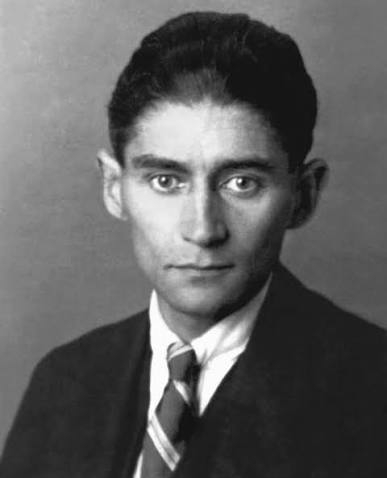
From Frankenstein's stitched-together creation to Kafka's insect metamorphosis, literature laid the groundwork for everything body horror would become.

So by the time early sci-fi films arrived, the genre already had a century of ideas waiting to be explored.

One of the earlier examples and most iconic is The Fly, the 1958 original, where a scientist's experiment with teleportation goes horribly wrong.

The film's reveal of, help me, help me, is still one of the most chilling images of mid-century sci-fi.

It's a reminder that body horror often begins with curiosity and ends with catastrophe.

While not grotesque like in a traditional sense, it introduced the idea of bodily replacement, your form duplicated, your identity erased.

It's body horror through the lens of paranoia, reflecting Cold War anxieties about conformity and infiltration.

And then there is The Incredible Shrinking Man from 1957, a film that explores bodily transformation as experiential crisis.

As the protagonist shrinks beyond human scale, the horror isn't just physical, it's philosophical.

What happens when your body no longer anchors you to the world? And there's tons more, but these early films established a pattern.

It's about loss of control, loss of identity, and the fear that our physical selves are more fragile than we'd like to believe.

His films explore the body as a site of transformation, infection, and evolution.
The rest of this transcript — segmented and speaker-labeled, so you land on the exact moment something was said
Search every transcript — by keyword, by phrase, or by meaning, across every show Radar indexes
Trends — what is surging across podcasts, measured against its own baseline
Alerts — when a name you follow appears in a newly indexed episode
No account is needed to search Radar.