Oct 1, 2026 · 45 min · 22 segments
Sandy Maxx remembers Everett Marshburn, previews a whole slate of events going on this weekend outside of the Brewers playoff matchups, sits down with NoStudios COO Lisa Caesar on NoStudios DanceFest…
Sandy MaxxHostMarie KohlerGuest
Lisa CaesarGuest
Vince VitranoGuest
I wanna start the show by taking a couple minutes, though, to remember a very special voice in Milwaukee's journalism and arts community, Everett Marshburn of Milwaukee PBS.

And today, family and friends, colleagues, students, and admirers of all kinds gathered at the Wisconsin Black Historical Society to remember Everett L. Marshburn.

He was a producer at Milwaukee PBS but also a journalist, a real mentor to so many, and a champion of stories that too often go untold.

And Everett died August 10th, age 78, after decades in public television, five decades in public television.


Everett, immensely esteemed, had an excellent reputation for journalistic integrity, but also curiosity and generosity.

And he mentored generations of journalists through the National Association of Black Journalists, where he won awards, also Milwaukee Area Technical College, and of course, right at Milwaukee PBS.

If you remember the late news anchor and reporter Gwen Ifill of PBS NewsHour, Everett was a mentor to her, so he ch- his, his legacy will continue, but it continued while he was still alive.

And through my work on the arts page at Milwaukee PBS, I had the honor of working with Everett and getting to talk with him, and I experienced his thoughtfulness firsthand, and also shared a love of the arts.

He covered performances, exhibitions, and artists on Black Nouveau, and this is a moment from his coverage of the production Marie and Rosetta at the Milwaukee Repertory Theater.
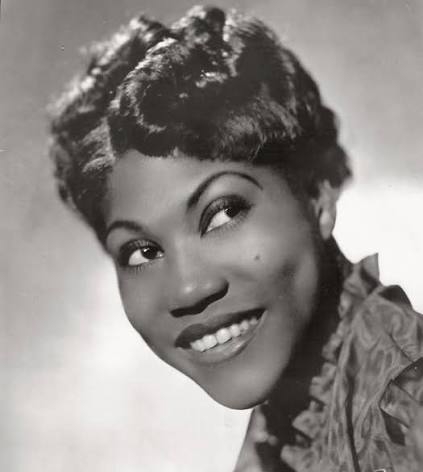
But Sister Rosetta did become famous in Europe.
She was inducted into the Rock & Roll Hall of Fame in 2018.
Members of her family, who had migrated from the South and now live in Milwaukee, are doing their part to ensure that her place in history does not get overlooked.

Oh, it's just, it's so good to hear his voice, and I remember telling Everett how much I appreciated the TV show Black Nouveau, and I also was very honest with him.

I was worried because I'm not Black, that maybe the stories aren't meant for me, and maybe I wouldn't connect with them.

But he was very kind and, and when I said, "But every time I watch, every story connects me with the Milwaukee community," and it often gave me a perspective that I hadn't ex- considered or, or been exposed to.

So a really big thank you to Everett for all of his work, and a big thank you to Milwaukee PBS editor Jason Pinkowski, who worked closely with Everett for years and shared audio clips of Everett with me.

And this is Everett Marshburn reading an excerpt of the poem I, Too by Langston Hughes, uh, who was a major 20th century American poet whose work was themes of race and identity and dignity and the American experience.
"I, too, sing America.
I am the darker brother.
They send me to eat in the kitchen when company comes, but I laugh and I eat well and grow strong.
Tomorrow, I'll be at the table when company comes.

I wanna start the show by taking a couple minutes, though, to remember a very special voice in Milwaukee's journalism and arts community, Everett Marshburn of Milwaukee PBS.

And today, family and friends, colleagues, students, and admirers of all kinds gathered at the Wisconsin Black Historical Society to remember Everett L. Marshburn.

He was a producer at Milwaukee PBS but also a journalist, a real mentor to so many, and a champion of stories that too often go untold.

And Everett died August 10th, age 78, after decades in public television, five decades in public television.


Everett, immensely esteemed, had an excellent reputation for journalistic integrity, but also curiosity and generosity.

And he mentored generations of journalists through the National Association of Black Journalists, where he won awards, also Milwaukee Area Technical College, and of course, right at Milwaukee PBS.

If you remember the late news anchor and reporter Gwen Ifill of PBS NewsHour, Everett was a mentor to her, so he ch- his, his legacy will continue, but it continued while he was still alive.

And through my work on the arts page at Milwaukee PBS, I had the honor of working with Everett and getting to talk with him, and I experienced his thoughtfulness firsthand, and also shared a love of the arts.

He covered performances, exhibitions, and artists on Black Nouveau, and this is a moment from his coverage of the production Marie and Rosetta at the Milwaukee Repertory Theater.
But Sister Rosetta did become famous in Europe.
She was inducted into the Rock & Roll Hall of Fame in 2018.
Members of her family, who had migrated from the South and now live in Milwaukee, are doing their part to ensure that her place in history does not get overlooked.

Oh, it's just, it's so good to hear his voice, and I remember telling Everett how much I appreciated the TV show Black Nouveau, and I also was very honest with him.

I was worried because I'm not Black, that maybe the stories aren't meant for me, and maybe I wouldn't connect with them.

But he was very kind and, and when I said, "But every time I watch, every story connects me with the Milwaukee community," and it often gave me a perspective that I hadn't ex- considered or, or been exposed to.

So a really big thank you to Everett for all of his work, and a big thank you to Milwaukee PBS editor Jason Pinkowski, who worked closely with Everett for years and shared audio clips of Everett with me.

And this is Everett Marshburn reading an excerpt of the poem I, Too by Langston Hughes, uh, who was a major 20th century American poet whose work was themes of race and identity and dignity and the American experience.
"I, too, sing America.
I am the darker brother.
They send me to eat in the kitchen when company comes, but I laugh and I eat well and grow strong.
Tomorrow, I'll be at the table when company comes.
The rest of this transcript — segmented and speaker-labeled, so you land on the exact moment something was said
Search every transcript — by keyword, by phrase, or by meaning, across every show Radar indexes
Trends — what is surging across podcasts, measured against its own baseline
Alerts — when a name you follow appears in a newly indexed episode
No account is needed to search Radar.