Unsupervised Learning with Jacob Effron
Jul 31, 2026 · 1 hr 4 min · 14 segments
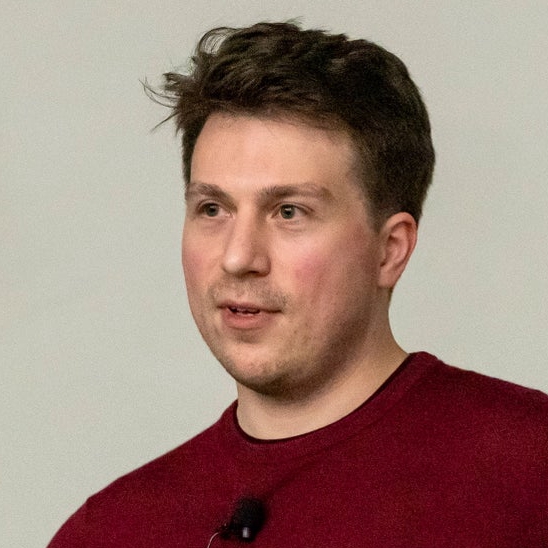
Igor Babuschkin, co-founder of River AI and formerly a co-founder of xAI, joins to unpack a career that spans nearly every major AI lab: he led the StarCraft and AlphaCode work at DeepMind, joined…
Igor BabuschkinGuestJacob EffronHost
I, I, I think there's, um, you know, something pretty big that happened to all of us software engineers, AI researchers around November, December of last year, which is that the coding agents suddenly became, uh, so powerful that you can't ignore them.

You know, some people used them, some people, uh, uh, didn't use them, um, but from that point onwards, uh, you know, that, that latest iteration of, um, Claude Opus models, uh, suddenly everybody agreed that, yes, these models are very powerful.

Yes, they, they make our jobs much, much easier, and also while they're doing so much of the software engineering, um, now that we used to do, that we used to, used to enjoy.

So it was a real transformation for all of us, and like, like many, like many folks, um, I spent, uh, a large part of December, uh, rewriting all of the coding projects that I've ever, you know, um, uh, wanted to do [laughs] in, in my life or, or have done, um, us-using the coding agents.

And, um, you get this incredible sense of like, "Wow, it's anything's possible now," and also these agents are gonna continue to improve.

They're going to continue, um, to get more, more capable and what will happen with the world at large as these models are getting stronger and stronger, and that kind of inspires, um...

The story is, is very much, um, um, a, a modern version of The Sorcerer's Apprentice.

So the, the Sorcerer's Apprentice, you know, is, uh, very fascinated with, with magic and, you know, starts to use it, but then it kind of runs away from him.

You know, so kind of like in the, in the Disney short, um, or in the original, uh, poem.

And I think we're all becoming the sorcerer's apprentices now with, uh, LLMs and agents becoming, uh, more and more capable.

And I, I think it's not going to stop at coding, so I'm very, very interested in figuring out, um, where are agents going to go next? Um, what, what else is going to be transformed? And, um, the more I f-I think about it, the more it feels like everything will be transformed.

All of computing really is a potential, is up for grabs when it comes to agents, because, um, the ability to deeply understand, um, what's happening in your life, um, at, at your workplace, what's happening in the world at large, and then taking action based on that, um, is something that you can apply to any problem, to any kind of, um, you know, thing you might want to do as a, you know, as a business, as a consumer.

So that's why I'm so interested in personal AI, because I feel like that's the next iteration, that's the next manifestation of what the agents are going to be able to do, to do for us.
I mean, obviously it, it feels like, you know, that, that December moment you talk about, you know, resonated so strongly with, with so many folks, and I think actually even a lot of researchers responded to your story being like, "This really hits," [laughs]
"... uh, hits hard." We had that moment in, in, in November, December on the coding side, and I think a lot of folks are trying to figure out, like, what's required to get agents to work really well in other domains, and kind of maybe asking-
... "Well, is, is there something special about coding and math or, you know, uh, the, the most verifiable domains out there? Like, is, you know, are we gonna see the same kind of progress in other domains?" How do you think about what needs to be done to kind of like get to, you know, even more general purpose agents?

I, I, I think there are actually many next steps that we could be taking, uh, from here.

I, I, I think there's, um, you know, something pretty big that happened to all of us software engineers, AI researchers around November, December of last year, which is that the coding agents suddenly became, uh, so powerful that you can't ignore them.

You know, some people used them, some people, uh, uh, didn't use them, um, but from that point onwards, uh, you know, that, that latest iteration of, um, Claude Opus models, uh, suddenly everybody agreed that, yes, these models are very powerful.

Yes, they, they make our jobs much, much easier, and also while they're doing so much of the software engineering, um, now that we used to do, that we used to, used to enjoy.

So it was a real transformation for all of us, and like, like many, like many folks, um, I spent, uh, a large part of December, uh, rewriting all of the coding projects that I've ever, you know, um, uh, wanted to do [laughs] in, in my life or, or have done, um, us-using the coding agents.

And, um, you get this incredible sense of like, "Wow, it's anything's possible now," and also these agents are gonna continue to improve.

They're going to continue, um, to get more, more capable and what will happen with the world at large as these models are getting stronger and stronger, and that kind of inspires, um...

The story is, is very much, um, um, a, a modern version of The Sorcerer's Apprentice.

So the, the Sorcerer's Apprentice, you know, is, uh, very fascinated with, with magic and, you know, starts to use it, but then it kind of runs away from him.

You know, so kind of like in the, in the Disney short, um, or in the original, uh, poem.

And I think we're all becoming the sorcerer's apprentices now with, uh, LLMs and agents becoming, uh, more and more capable.

And I, I think it's not going to stop at coding, so I'm very, very interested in figuring out, um, where are agents going to go next? Um, what, what else is going to be transformed? And, um, the more I f-I think about it, the more it feels like everything will be transformed.

All of computing really is a potential, is up for grabs when it comes to agents, because, um, the ability to deeply understand, um, what's happening in your life, um, at, at your workplace, what's happening in the world at large, and then taking action based on that, um, is something that you can apply to any problem, to any kind of, um, you know, thing you might want to do as a, you know, as a business, as a consumer.

So that's why I'm so interested in personal AI, because I feel like that's the next iteration, that's the next manifestation of what the agents are going to be able to do, to do for us.
I mean, obviously it, it feels like, you know, that, that December moment you talk about, you know, resonated so strongly with, with so many folks, and I think actually even a lot of researchers responded to your story being like, "This really hits," [laughs]
"... uh, hits hard." We had that moment in, in, in November, December on the coding side, and I think a lot of folks are trying to figure out, like, what's required to get agents to work really well in other domains, and kind of maybe asking-
... "Well, is, is there something special about coding and math or, you know, uh, the, the most verifiable domains out there? Like, is, you know, are we gonna see the same kind of progress in other domains?" How do you think about what needs to be done to kind of like get to, you know, even more general purpose agents?

I, I, I think there are actually many next steps that we could be taking, uh, from here.
The rest of this transcript — segmented and speaker-labeled, so you land on the exact moment something was said
Search every transcript — by keyword, by phrase, or by meaning, across every show Radar indexes
Trends — what is surging across podcasts, measured against its own baseline
Alerts — when a name you follow appears in a newly indexed episode
No account is needed to search Radar.