Aug 14, 2026 · 38 min · 12 segments
Chief Legal Officer Roger Nober joins host Bill Stephens to assess whether the UP/NS merger can clear the 2001 enhanced competition standard and why he believes conditions imposed on prior mergers…
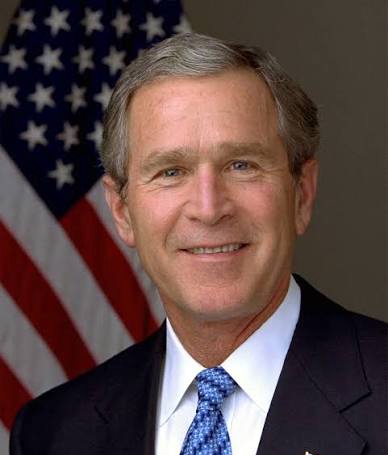
Roger NoberGuest
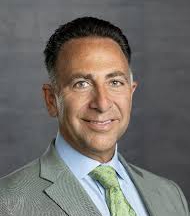
Bill StephensHost
But the reason merger review is at an independent agency to begin with was because the feeling was that, particularly in the Gulf Coast, that standard antitrust review wouldn't suffice for creating the current UP.

Now, why does that matter today? Because if we look back as just to the question you asked about, can you fashion conditions that address potential competitive harms or even enhance competition? In hindsight, it's been hard to do.

It's been the just changes in operating models and PSR, among other things, that have changed the way railroads operate.

And infrastructure that wasn't really suited to the kind of rail operations that we have today.

The final thing I'd like to, and this is a long answer, but something I really feel strongly about is, you know, back in the day, the 90s, the dominant theory of mergers, when you looked at preserving competition, was something called the one lump theory, which I know you know, and it shows my age to know that I'm conversant in it.

And what that said was that if you were a singly served shipper, it really grew out of the Chicago School of Antitrust after World War II.

But if a business had a monopoly position over you and they merged, there was only one lump of profit to be taken from the beginning.

And I mean, look, that was the dominant theory that applied to BN when they were buying the Santa Fe, that applied to UPSB, it applied to...

It was modified somewhat when NS bought CSX, when they created the shared assets in Northern New Jersey, Southern New Jersey, and in Michigan.

The reality is if you look back at how that has played out, it turns out that you can be worse off even if you're singly served.

Let's just say you're a chemical shipper in the Gulf Coast, and before the UPSP merger, you had three plants on the UP, three plants on the SP, and three plants open to both.

So under the one lump theory, the three on the UP and the three on the SP now become six on the UP.

And the three that are open, access is granted under the merger of competitive issues to the two to one point issues to BNSF to serve them.

So now the new shipper under the economic theory of the time was in the same position they were before the merger.

But ask any shipper if they think in the real world in buying rail services, they are.

And the answer is they would say probably not because now the carrier has the ability to bundle, if you will.

But the reason merger review is at an independent agency to begin with was because the feeling was that, particularly in the Gulf Coast, that standard antitrust review wouldn't suffice for creating the current UP.

Now, why does that matter today? Because if we look back as just to the question you asked about, can you fashion conditions that address potential competitive harms or even enhance competition? In hindsight, it's been hard to do.

It's been the just changes in operating models and PSR, among other things, that have changed the way railroads operate.

And infrastructure that wasn't really suited to the kind of rail operations that we have today.

The final thing I'd like to, and this is a long answer, but something I really feel strongly about is, you know, back in the day, the 90s, the dominant theory of mergers, when you looked at preserving competition, was something called the one lump theory, which I know you know, and it shows my age to know that I'm conversant in it.

And what that said was that if you were a singly served shipper, it really grew out of the Chicago School of Antitrust after World War II.

But if a business had a monopoly position over you and they merged, there was only one lump of profit to be taken from the beginning.

And I mean, look, that was the dominant theory that applied to BN when they were buying the Santa Fe, that applied to UPSB, it applied to...

It was modified somewhat when NS bought CSX, when they created the shared assets in Northern New Jersey, Southern New Jersey, and in Michigan.

The reality is if you look back at how that has played out, it turns out that you can be worse off even if you're singly served.

Let's just say you're a chemical shipper in the Gulf Coast, and before the UPSP merger, you had three plants on the UP, three plants on the SP, and three plants open to both.

So under the one lump theory, the three on the UP and the three on the SP now become six on the UP.

And the three that are open, access is granted under the merger of competitive issues to the two to one point issues to BNSF to serve them.

So now the new shipper under the economic theory of the time was in the same position they were before the merger.

But ask any shipper if they think in the real world in buying rail services, they are.

And the answer is they would say probably not because now the carrier has the ability to bundle, if you will.
The rest of this transcript — segmented and speaker-labeled, so you land on the exact moment something was said
Search every transcript — by keyword, by phrase, or by meaning, across every show Radar indexes
Trends — what is surging across podcasts, measured against its own baseline
Alerts — when a name you follow appears in a newly indexed episode
No account is needed to search Radar.