Jul 1, 2026 · 1 hr 4 min · 11 segments
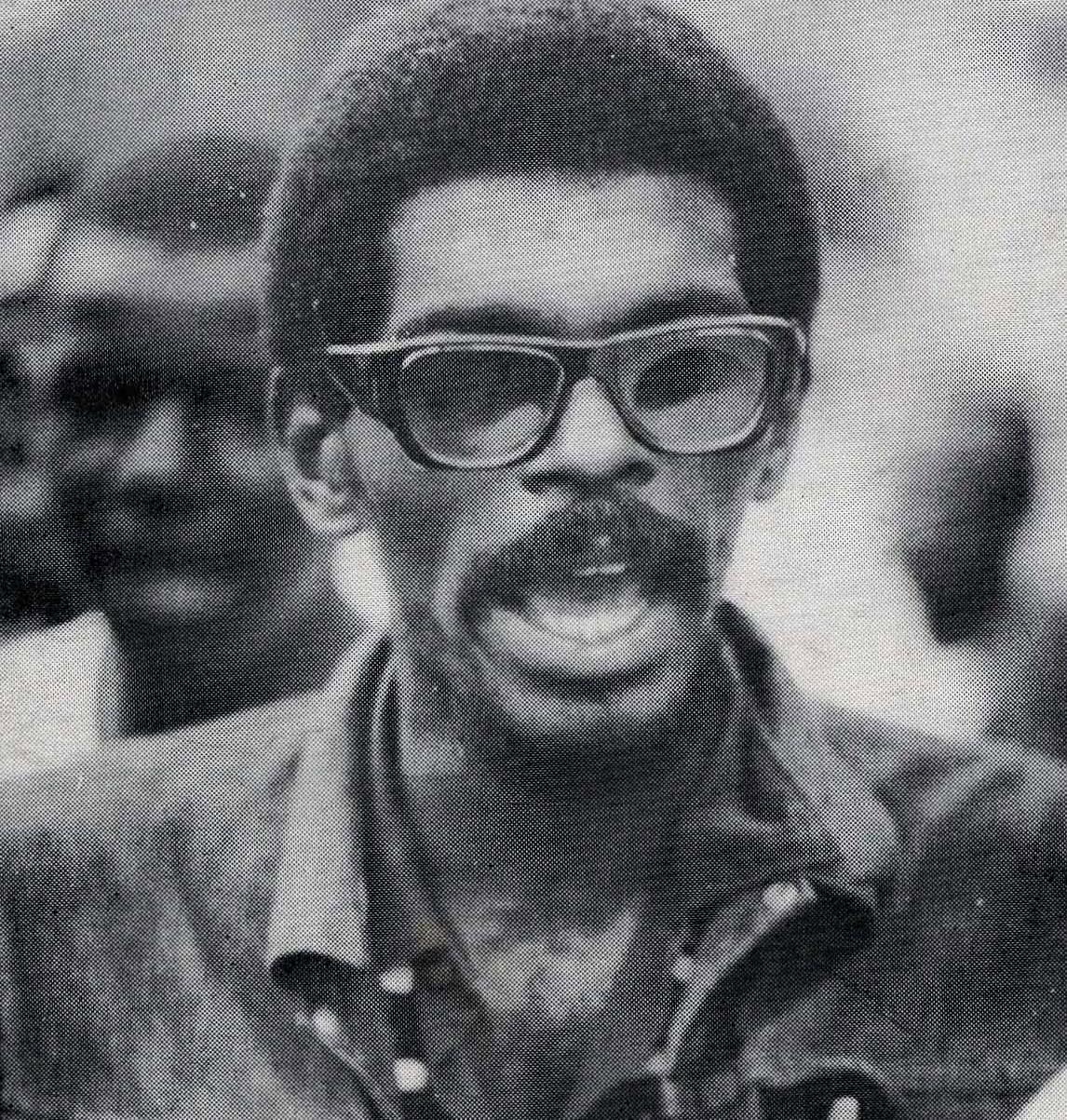
Neutral journalism is a comforting myth until you ask who it protects. We sit down with Omali Yeshitela, political activist, author, and longtime leader of the African People Socialist Party, to trace…
Omali YeshitelaGuest
Leonard GoodmanHost
Luis Diaz-PerezHost
well um that's an interesting question partially because uh a problem uh that um i have had recently with what's characterized as black journalism is this false notion of of objectivism, that one's not supposed to take sides on any kind of question.

There's always a foundational premise that all of these discussions and everything that's done via journalism occur.

But I grew up during a period where there were a lot of small black newspapers, community newspapers, and these were newspapers that were necessary because the media of the ruling class did not give us space easily.

And so, but many of these small publications, they would do things like print funeral notices and weddings and about weddings and and also who was going to prison, etc.

People wanted it, though, because they could find themselves in there some way or another.

Outstanding newspapers of the time were the Pittsburgh Courier, that stretched all across the country.

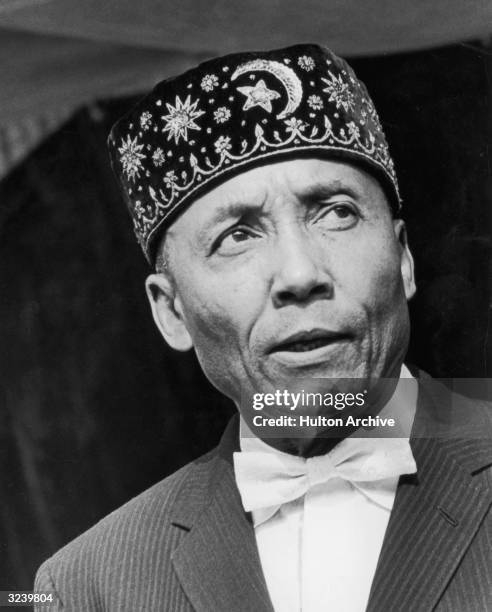
In fact, the Nation of Islam initially used to, Elijah Muhammad used to have a column in the Pittsburgh Courier.


And Muhammad Speaks, I think, created a whole different template for how we should deal with media.

I have to stop, though, and say that this was preceded by this extraordinary publication of the Universal Negro Improvement Associations and African Communities League, led by Marcus Garvey, that printed The Negro World.

It was a publication that made no pretexts of being neutral when it came to the struggle of black people.

In fact, there was a publication that was printed in three languages and it was a publication that was utilized by Sandino in Nicaragua because the American censors didn't pay attention to the Spanish language portion of that newspaper.

In many ways, Garvey's newspaper was able to facilitate the struggles of Sandino in the area where they spoke in Nicaragua.

It was something that was banned in most places, and you just had African sailors who would sew the paper into their coats and things like that and go into different countries and distribute it just to get the word out to help people learn about the struggle for black freedom.

So this was Marcus Garvey in the Negro world, which was an extraordinary publication.

And then Muhammad Speaks, that was the newspaper of the Nation of Islam, the original Nation of Islam.
The rest of this transcript — segmented and speaker-labeled, so you land on the exact moment something was said
Search every transcript — by keyword, by phrase, or by meaning, across every show Radar indexes
Trends — what is surging across podcasts, measured against its own baseline
Alerts — when a name you follow appears in a newly indexed episode
No account is needed to search Radar.