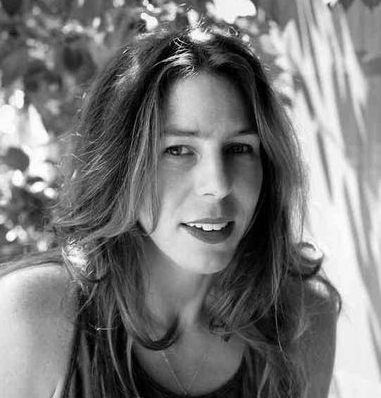
When Weird Becomes Normal with Kate Marshall
Jul 23, 2026 · 42 min · 10 segments
**What can weird fiction teach us about navigating a reality shaped by technology, environmental crisis, and the shifting boundaries between human and non-human perspectives?** In this episode of the…
**What can weird fiction teach us about navigating a reality shaped by technology, environmental crisis, and the shifting boundaries between human and non-human perspectives?** In this episode of the Tech Humanist Show, the conversation focused on the power of “weirdness” as both a signal from the future and a way to make sense of our rapidly changing world. Special guest Kate Marshall, professor of English at the University of Notre Dame and author of Novels by Weird: Tales and the 21st Century, joins to explore how weird fiction, genre hybridity, and non-human narration can offer unique insights into technology, scale, and what it means to stay human as reality grows stranger. Dive into how stories, genres, and the unexpected “weird” help us make sense of complex systems and imagine better futures. **Topics Covere**d - Weirdness as a lens for the future - The evolution of “weird fiction” and its historical context - Non-human narration and narrative experiments - Genre’s role in conceptual thinking - Scale and the challenge of representing catastrophe - The reading crisis and cultural shifts in reading - AI, storytelling, and the transformation of narrative - Speculative fiction as a thinking tool - Weirdness as data and a signal from the future - Balancing melancholy and optimism for the future **Connect with Kate Marshall** Website Linkedin Novels by Aliens: Weird Tales and the Twenty-First Century **Episode Chapters** 00:00: Introduction to the Tech Humanist Show and the concept of weirdness 01:55: Kate Marshall on taking weirdness seriously 04:40: How 21st-century novels are getting weirder 06:09: The rise of non-human perspectives in contemporary fiction 09:48: Genre as a space for novelists to wrestle with scale 13:54: Genre fragments as creative encounters with societal wreckage 16:00: Scale: Representing catastrophe and individual experience 20:27: Tension between decentering the human and human narration 23:18: How non-human perspectives shift agency and responsibility 25:50: The contemporary crisis in reading and criticism 28:03: AI, large language models, and the future of reading/writing 31:32: Genre, language models, and the future of literary creativity 36:16: Story moves for imagining and building better futures 38:56: Treating weirdness as data, not doom 40:46: Optimism, storytelling, and hope for the future 43:22: Outro and thanks
**What can weird fiction teach us about navigating a reality shaped by technology, environmental crisis, and the shifting boundaries between human and non-human perspectives?** In this episode of the…