The Sandbox: A See-Saw Podcast On Creativity
Aug 14, 2024 · 1 hr 2 min · 13 segments
How does a director who cut his teeth in the world of commercials, translate that experience into feature films? And how does a production house define and maintain their creative vision? Emile speaks…
Emile ShermanHost
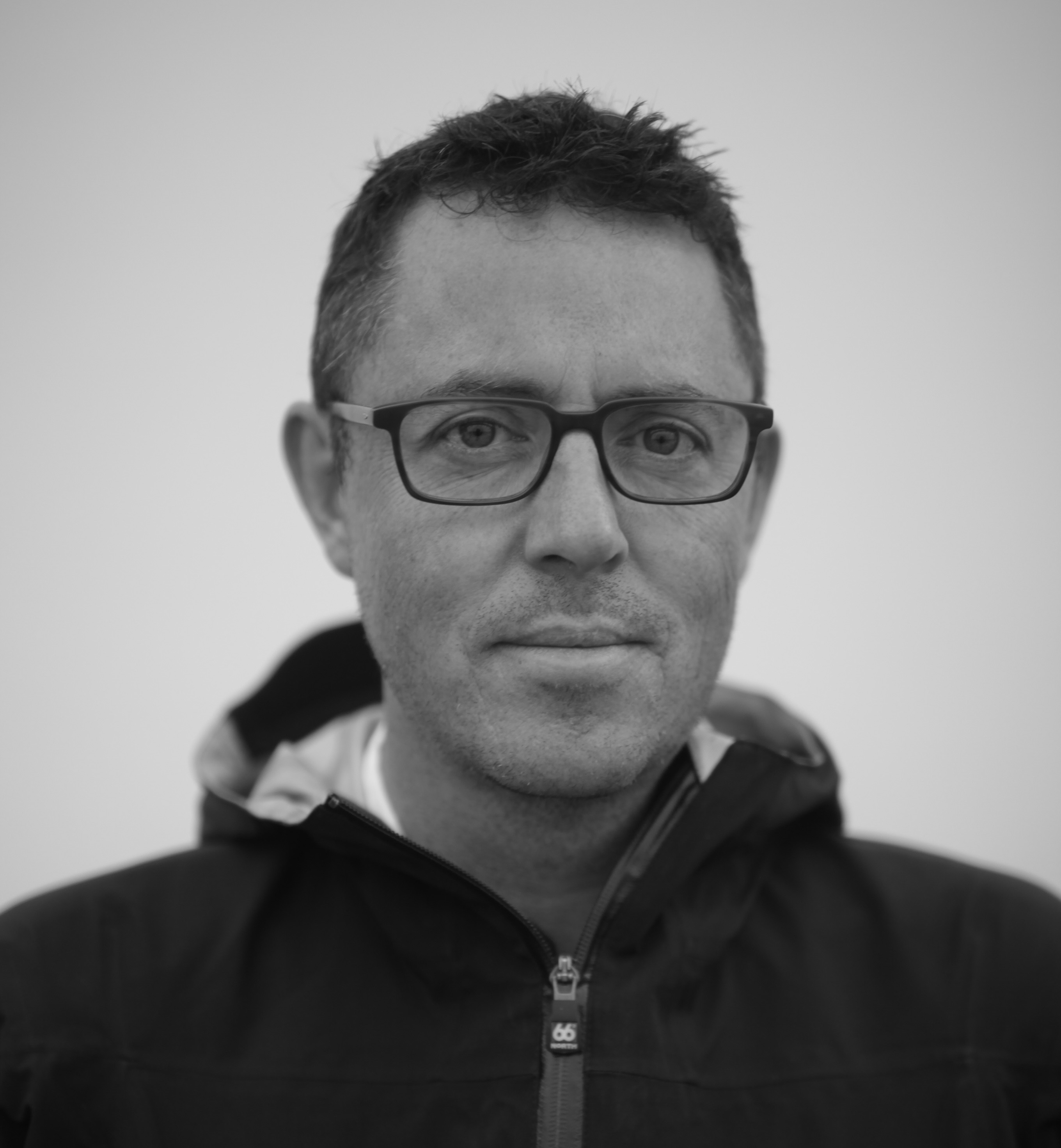
Garth DavisGuest
That's probably why one needs to protect that rehearsal period, even though you've got everyone clamoring for your attention and yes and no's.

But Garth, moving from actors to the camera, because you seem equally at home with the camera and love your cinematographers.

When you're on set, how do you juggle the demands of being there with and for the actors with actually knowing that Cinema is visual storytelling and you're telling the story with the camera.

I guess what I've learned over time is that clearly you're going to do all that work for the actors, which is fine.

But then where you place the camera is really, really important because it can also add to the performance or to the meaning of the scene.

I remember when I was doing Love My Way, which was one of the first dramas I ever did, you know, I thought I would pop on set and watch one of the other directors I mentioned working.

But what I loved, particularly working with Matthias on Faux, it's like we would just talk about the scene and go, okay, What is the meaning of this scene? How can the camera witness this scene in a way that helps the meaning and the communication of the scene? And I love that because if you get that right, it means that you will have all the time with the actors on the set because sometimes you can be...

Sometimes it's the camera that gets in the way of a performance or the way that you're enjoying the performance.

So sometimes it might be let's just not see their faces in this scene because that's going to bring a feeling to the performance that the actor's giving.

So the camera is enormously important in the emotional connection to the story.
The rest of this transcript — segmented and speaker-labeled, so you land on the exact moment something was said
Search every transcript — by keyword, by phrase, or by meaning, across every show Radar indexes
Trends — what is surging across podcasts, measured against its own baseline
Alerts — when a name you follow appears in a newly indexed episode
No account is needed to search Radar.