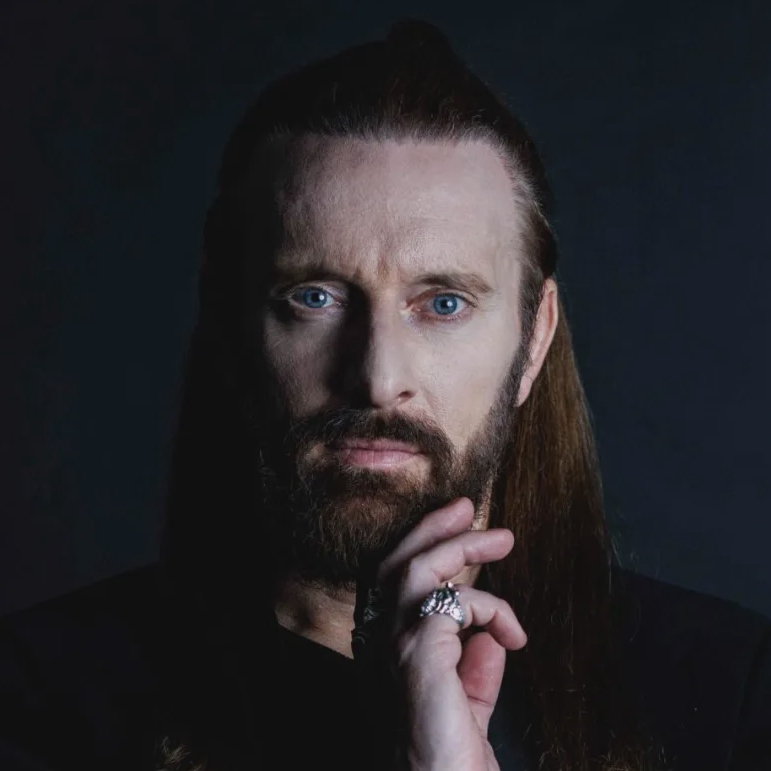
Jul 28, 2026 · 1 hr 6 min · 14 segments
How much do we really understand about life? In this episode of The Quantum Economy Podcast, Anders Indset speaks with Dr. Nirosha Murugan, Canada Research Chair in Tissue Biophysics, founder of…
Anders IndsetHostLike you said, we've been looking at biology from a biochemical molecular point of view.
The most obvious perspective is molecules and biochemistry are dynamic systems which move and flow energy.
So if you think about it from an energetic point of view, biochemistry is one aspect, but we also have other aspects that transform energy in the form of fields and forces.
So the physical landscape where we think about electromagnetism, light, mechanics, electricity, That's a completely different picture when you look at biology in that sense.
So I think to answer your direction more carefully, biochemistry is one lens, molecular activity is one lens, but the electromagnetic interactions between those substrates or matters is another dimension that's completely missing.

When you talk about energy, then, there is the general understanding of how we look at energy.

You have one that goes, I would say, beyond what we perceive as physical reality into some kind of spiritual domain, some esoteric views of how energetic flows and feels and relations are.

And then you have the more conventional view of energy in terms of how we look at fueling mechanical entities through, you know, sun, all that electricity as we use.

When you talk about energy in regards to life, how can you describe, how do you describe energy?
So, you know, from a biologist, biomedical standpoint, when we think about energy, we think about some currency token, you know, the ATP, adenotriphosphate.
Physicists also doesn't necessarily all agree with the correct terminology, but energy is the potential to do work.
And if you look at it from that very simple definition, you can take that same definition of potential to do work, you know, like a bond, molecular bonds is potential to do work.
ion channel gradients, these electrochemical gradients across a battery, for example, or the transformation that we have from the sun to these silicon wafers, those are all potentials for change.
So I think a very simple definition for potential for change allows us to look at energy across multiple dimensions.
And then you can kind of take it even a step further when we think about consciousness.
If consciousness has been a conversation that, you know, many have debated and haven't really, you know, what is it? Where is the seed of it? But if we think potentially as consciousness as a landscape of energetic transformation, then we can kind of get into a little bit more details of what's transforming that or what's allowing for that transformation to come in.
But I think That definition of energy is a potential for transformation, potential for change, allows for these conversations to happen.
Like you said, we've been looking at biology from a biochemical molecular point of view.
The most obvious perspective is molecules and biochemistry are dynamic systems which move and flow energy.
So if you think about it from an energetic point of view, biochemistry is one aspect, but we also have other aspects that transform energy in the form of fields and forces.
So the physical landscape where we think about electromagnetism, light, mechanics, electricity, That's a completely different picture when you look at biology in that sense.
So I think to answer your direction more carefully, biochemistry is one lens, molecular activity is one lens, but the electromagnetic interactions between those substrates or matters is another dimension that's completely missing.

When you talk about energy, then, there is the general understanding of how we look at energy.

You have one that goes, I would say, beyond what we perceive as physical reality into some kind of spiritual domain, some esoteric views of how energetic flows and feels and relations are.

And then you have the more conventional view of energy in terms of how we look at fueling mechanical entities through, you know, sun, all that electricity as we use.

When you talk about energy in regards to life, how can you describe, how do you describe energy?
So, you know, from a biologist, biomedical standpoint, when we think about energy, we think about some currency token, you know, the ATP, adenotriphosphate.
Physicists also doesn't necessarily all agree with the correct terminology, but energy is the potential to do work.
And if you look at it from that very simple definition, you can take that same definition of potential to do work, you know, like a bond, molecular bonds is potential to do work.
ion channel gradients, these electrochemical gradients across a battery, for example, or the transformation that we have from the sun to these silicon wafers, those are all potentials for change.
So I think a very simple definition for potential for change allows us to look at energy across multiple dimensions.
And then you can kind of take it even a step further when we think about consciousness.
If consciousness has been a conversation that, you know, many have debated and haven't really, you know, what is it? Where is the seed of it? But if we think potentially as consciousness as a landscape of energetic transformation, then we can kind of get into a little bit more details of what's transforming that or what's allowing for that transformation to come in.
But I think That definition of energy is a potential for transformation, potential for change, allows for these conversations to happen.
The rest of this transcript — segmented and speaker-labeled, so you land on the exact moment something was said
Search every transcript — by keyword, by phrase, or by meaning, across every show Radar indexes
Trends — what is surging across podcasts, measured against its own baseline
Alerts — when a name you follow appears in a newly indexed episode
No account is needed to search Radar.