We use cookies to understand how you use our platform and to improve your experience. Click “Accept All” to consent, or “Decline non-essential” to opt out of non-essential cookies. Read our Privacy Policy.
Phoebe Ashley-Norman talks with Luria Leslie Founou about neonatal sepsis in Cameroon and sub-Saharan Africa more broadly, in conversation around the Lancet Microbe Personal View "Neonatal sepsis in…
Phoebe Ashley-Norman talks with Luria Leslie Founou about neonatal sepsis in Cameroon and sub-Saharan Africa more broadly, in conversation around the Lancet Microbe Personal View "Neonatal sepsis in Africa: what are we missing"
Read the Personal View here:
https://www.thelancet.com/journals/lanmic/article/PIIS2666-5247(26)00029-7/fulltext
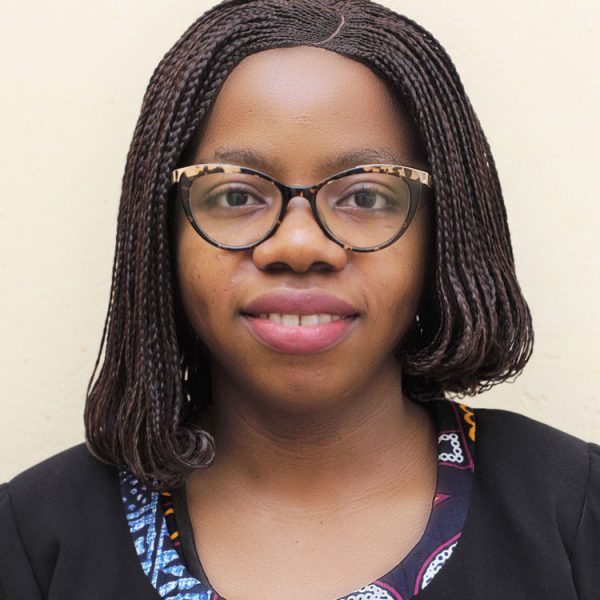
Dr Founou is a microbiologist and researcher with a focus on antimicrobial resistance and infectious diseases. She is also Founder and CEO of D2Africa (Dare to Dream for Africa), which can be found on YouTube at Dare to Dream for Africa - YouTube. D2Africa Stories is her podcast, where she shares the stories of inspiring African scientists and change-makers, available here D2AFRICA Stories - YouTube.
Phoebe Ashley-Norman talks with Luria Leslie Founou about neonatal sepsis in Cameroon and sub-Saharan Africa more broadly, in conversation around the Lancet Microbe Personal View "Neonatal sepsis in…
So it's usually up between early onset neonatal sepsis that occurs within 72 hours, typically known to be acquired from birth or from mother's to the babies during the labor.
And you also have the late onset sepsis that occur after 72 hours and usually known to be transferred from the hospital environment and the health case workers and also the community of the babies itself.
And when we look at the estimate across the child's birth, we can see that the neonatal population is the one that contain half of all the childhood actually.