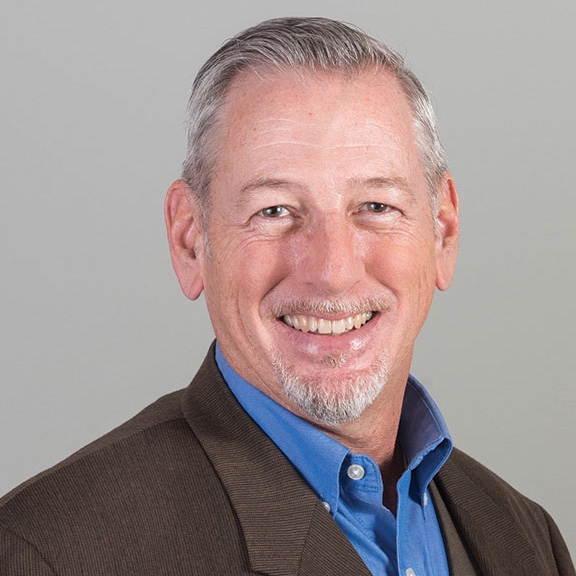
Jane KeenanGuestCarmel SawberryHostWhen you look back, what shifted most in you, not in the sector, but in you, about how to actually help a child? What shifted most

Because the thing that each of us can individually bring to most help children in the system is ourselves.

So the more awareness I have of myself, my unresolved issues, my strengths, the better able I am to harness those in the service of the children I'm here to help.

And if I bring any unresolved needs, if my self-awareness is not sharp enough, if I'm carrying my own baggage without even really knowing it's there, then I'm bringing that baggage into my attempts to serve our children.

So what shifted in me the most, a never-ending enhancing of my self-awareness, knowing myself more in order to harness what I bring rather than letting it get in the way.

I'm going to stop there because I could keep chatting, so I'll interrupt myself as we go.
Fascinating because I've sat in quite a few interviews and we've taken on youth mentors and what has been deeply humbling is is that so many people come to this sector to make a difference, and we ask them a question about their childhood and their parents' parenting style, and most of the time they share something which is quite sad, or they've had their challenges.
So how do people come into work with care with all the most beautiful, heart-led... beliefs and desire to do the right thing how do they use that in practice when they walk in knowing they've got stuff how do they do that when they walk through the door to work with their kids

so the starting point is to acknowledge and accept that you have stuff and that you might have some clues about what that stuff is and there might be other stuff lurking in the shadows that hasn't entered your awareness yet and then find those reflective environments be proactive in your own development.

If you're in an environment, and hopefully everybody is, but we know everybody isn't, if you're in an environment that provides reflective space and reflective supervision and maybe skilled consultancy, that kind of thing, turn up for that.

Take every opportunity to go into safe, healthy, supportive, reflective space and make good use of it by being willing to look into your own shadows.

And some of that work-based reflective space is going to scratch at some things that might be better served in a more private personal therapy.

Go to therapy or go to whatever provision of other supportive services calls on you because there's a bunch of ways of doing that.
When you look back, what shifted most in you, not in the sector, but in you, about how to actually help a child? What shifted most

Because the thing that each of us can individually bring to most help children in the system is ourselves.

So the more awareness I have of myself, my unresolved issues, my strengths, the better able I am to harness those in the service of the children I'm here to help.

And if I bring any unresolved needs, if my self-awareness is not sharp enough, if I'm carrying my own baggage without even really knowing it's there, then I'm bringing that baggage into my attempts to serve our children.

So what shifted in me the most, a never-ending enhancing of my self-awareness, knowing myself more in order to harness what I bring rather than letting it get in the way.

I'm going to stop there because I could keep chatting, so I'll interrupt myself as we go.
Fascinating because I've sat in quite a few interviews and we've taken on youth mentors and what has been deeply humbling is is that so many people come to this sector to make a difference, and we ask them a question about their childhood and their parents' parenting style, and most of the time they share something which is quite sad, or they've had their challenges.
So how do people come into work with care with all the most beautiful, heart-led... beliefs and desire to do the right thing how do they use that in practice when they walk in knowing they've got stuff how do they do that when they walk through the door to work with their kids

so the starting point is to acknowledge and accept that you have stuff and that you might have some clues about what that stuff is and there might be other stuff lurking in the shadows that hasn't entered your awareness yet and then find those reflective environments be proactive in your own development.

If you're in an environment, and hopefully everybody is, but we know everybody isn't, if you're in an environment that provides reflective space and reflective supervision and maybe skilled consultancy, that kind of thing, turn up for that.

Take every opportunity to go into safe, healthy, supportive, reflective space and make good use of it by being willing to look into your own shadows.

And some of that work-based reflective space is going to scratch at some things that might be better served in a more private personal therapy.

Go to therapy or go to whatever provision of other supportive services calls on you because there's a bunch of ways of doing that.
The rest of this transcript — segmented and speaker-labeled, so you land on the exact moment something was said
Search every transcript — by keyword, by phrase, or by meaning, across every show Radar indexes
Trends — what is surging across podcasts, measured against its own baseline
Alerts — when a name you follow appears in a newly indexed episode
No account is needed to search Radar.