The Face-Off Spot with Adam Larson
Sep 17, 2026 · 47 min · 13 segments
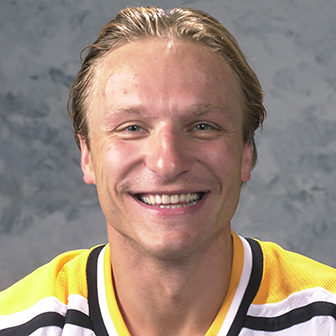
NHL veteran and Olympic gold medalist Darius Kasparaitis joins Adam to talk about growing up playing hockey in Lithuania, moving to Dynamo Moscow at 14, winning Olympic gold, and making the jump to…
Darius KasparaitisGuest
Adam LarsonHost
Well, I do want to kind of get into the end of your career and then, you know, kind of how that went, because did you end up going back to Russia towards the end of your career? Is that where you ended your career?


So they told me, listen, you're a 35, 36-year-old player, you know, I don't think you're going to develop anything there.

they offered me to go to russia and i choose to go to russia because i want to play on a higher level higher level and i say why not because you know playing in hartford that was not my goals so that's how i end up going to russia and playing two more years in khl and uh having a blast actually so i think i was very fortunate to play in new york new york and then go play in st petersburg at the end of my career and experience the glory of my career because when i went to russia i realized i was so popular there uh and you know i was like a not legend but i was everywhere well received and people treat me nice so i kind of uh end up playing uh my my game the last the last games of my professional career i ended up playing in some peersburg which i had a lot of fun and a lot of recognition so i have no regrets

And one thing, because I know that you said you don't watch a lot of NHL now, but from what you've caught, are you kind of surprised by how less physical it is now than when you played?

And I think maybe physicality is not as rewarded as I used to, you know, stay home and defenseman, rugged defenseman or hitting defense or anybody, you know, because it's about scoring goals, about playing a game on a high level.

And I think sometimes even players now from the young age, they're not hitting until they're 12 or 13, you know, so they don't really grow up growing up.

you know, playing the game from the beginning as meant to play, you know, physical.

They still have a lot of good hits and a lot of physical players, but not as much as I play because, you know, it was a different era and a different hockey.

I think if I play at this era, I would probably find a way to find my hits, you know, and I'll probably be more highlighted because a lot of guys skating that with a head down.

I'll probably, probably be suspended a couple of times maybe, or maybe fine, but I don't know.

You know, the rule was invented in a child clipping rule because of me, because of my low hip checks.

Well, I do want to kind of get into the end of your career and then, you know, kind of how that went, because did you end up going back to Russia towards the end of your career? Is that where you ended your career?


So they told me, listen, you're a 35, 36-year-old player, you know, I don't think you're going to develop anything there.

they offered me to go to russia and i choose to go to russia because i want to play on a higher level higher level and i say why not because you know playing in hartford that was not my goals so that's how i end up going to russia and playing two more years in khl and uh having a blast actually so i think i was very fortunate to play in new york new york and then go play in st petersburg at the end of my career and experience the glory of my career because when i went to russia i realized i was so popular there uh and you know i was like a not legend but i was everywhere well received and people treat me nice so i kind of uh end up playing uh my my game the last the last games of my professional career i ended up playing in some peersburg which i had a lot of fun and a lot of recognition so i have no regrets

And one thing, because I know that you said you don't watch a lot of NHL now, but from what you've caught, are you kind of surprised by how less physical it is now than when you played?

And I think maybe physicality is not as rewarded as I used to, you know, stay home and defenseman, rugged defenseman or hitting defense or anybody, you know, because it's about scoring goals, about playing a game on a high level.

And I think sometimes even players now from the young age, they're not hitting until they're 12 or 13, you know, so they don't really grow up growing up.

you know, playing the game from the beginning as meant to play, you know, physical.

They still have a lot of good hits and a lot of physical players, but not as much as I play because, you know, it was a different era and a different hockey.

I think if I play at this era, I would probably find a way to find my hits, you know, and I'll probably be more highlighted because a lot of guys skating that with a head down.

I'll probably, probably be suspended a couple of times maybe, or maybe fine, but I don't know.

You know, the rule was invented in a child clipping rule because of me, because of my low hip checks.
The rest of this transcript — segmented and speaker-labeled, so you land on the exact moment something was said
Search every transcript — by keyword, by phrase, or by meaning, across every show Radar indexes
Trends — what is surging across podcasts, measured against its own baseline
Alerts — when a name you follow appears in a newly indexed episode
No account is needed to search Radar.