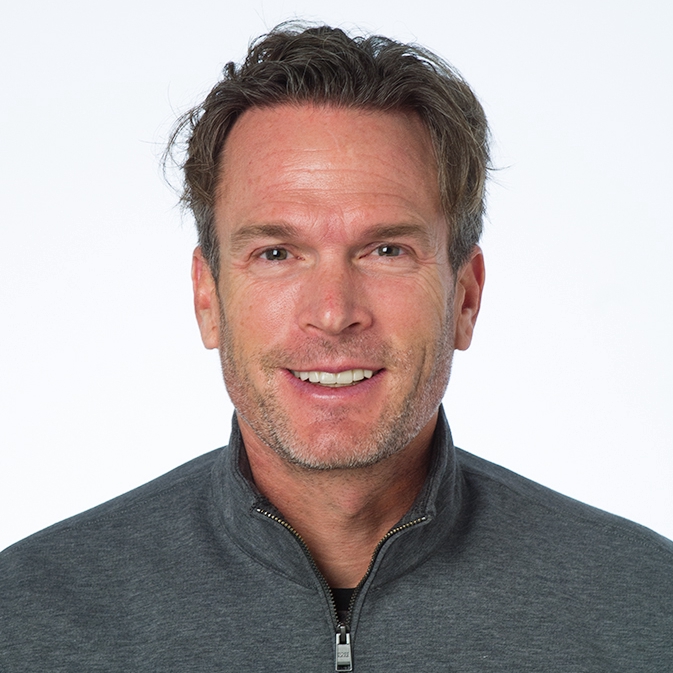
Ryan BoltonGuest
Jesse VondracekHost
Well, I'm really excited to have you on because one kind of topic that's been rolling around in my brain is that I spent a little more time with the team I'm coaching for here on the sidelines of some races, talking to some athletes before and after races, and really kind of like diving into a little bit of that communication piece, which...

I mean, I've done a lot on my own, but I feel like it's, it's become at the forefront of my brain, like being here, seeing these athletes and we've got like a group of athletes that are kind of like leveling up, like kind of entering that junior realm and starting to race at a slightly higher level.

And so these conversations are getting a little more serious and there's also other people providing input now, like now Swiss triathlon is talking to them a lot more.

a lot of voices in their ear whereas before just the year before it was only cam like the head coach and so now yeah we've got a lot of messaging kind of coming out at these young kids and it's it's been interesting for me to kind of see that and um and kind of help help the athletes parse through a little bit in in my kind of like assistant coach role which is a little different perspective than say like a head coach or another side of that coin

no for sure well and i think When you say that, I also think about just the world in general and how it's different now.

And not only are athletes getting input from you, from the other coach, from the Federation, they're also getting input from social media every day, from articles every day.

I mean, access to... there's access to so much information and a lot of that information isn't necessarily good information, but, uh, but it's pretty easy, uh, you know, for athletes.

And I think, uh, I mean, and maybe this is one big thing we talk about, but maybe a role is our roles as coaches is partially filtering that communication, you know? And, uh, and yeah.

I think trying to like pare down the information that they're trying to actually process, because if you try and just open up the dumpster and take in everything, there's just way too much out there, right?

Well, I'm really excited to have you on because one kind of topic that's been rolling around in my brain is that I spent a little more time with the team I'm coaching for here on the sidelines of some races, talking to some athletes before and after races, and really kind of like diving into a little bit of that communication piece, which...

I mean, I've done a lot on my own, but I feel like it's, it's become at the forefront of my brain, like being here, seeing these athletes and we've got like a group of athletes that are kind of like leveling up, like kind of entering that junior realm and starting to race at a slightly higher level.

And so these conversations are getting a little more serious and there's also other people providing input now, like now Swiss triathlon is talking to them a lot more.

a lot of voices in their ear whereas before just the year before it was only cam like the head coach and so now yeah we've got a lot of messaging kind of coming out at these young kids and it's it's been interesting for me to kind of see that and um and kind of help help the athletes parse through a little bit in in my kind of like assistant coach role which is a little different perspective than say like a head coach or another side of that coin

no for sure well and i think When you say that, I also think about just the world in general and how it's different now.

And not only are athletes getting input from you, from the other coach, from the Federation, they're also getting input from social media every day, from articles every day.

I mean, access to... there's access to so much information and a lot of that information isn't necessarily good information, but, uh, but it's pretty easy, uh, you know, for athletes.

And I think, uh, I mean, and maybe this is one big thing we talk about, but maybe a role is our roles as coaches is partially filtering that communication, you know? And, uh, and yeah.

I think trying to like pare down the information that they're trying to actually process, because if you try and just open up the dumpster and take in everything, there's just way too much out there, right?
The rest of this transcript — segmented and speaker-labeled, so you land on the exact moment something was said
Search every transcript — by keyword, by phrase, or by meaning, across every show Radar indexes
Trends — what is surging across podcasts, measured against its own baseline
Alerts — when a name you follow appears in a newly indexed episode
No account is needed to search Radar.