Strictly Facts: A Guide to Caribbean History and Culture
Sep 2, 2026 · 52 min · 11 segments
Send us a text message and tell us your thoughts. Country music in Jamaica sounds like a contradiction until you hear the connections. We connect…
Jamal KhadarGuest
Alexandria MillerHostno of course i mean you perfectly brought me to sort of my next question because i think that outlaw figure is on one hand such a staple part of jamaican music culture right and from like maybe an academic perspective because i'm
My professional bag, right? I even thought of Garth White's sort of really like standout article, Rudy, Oh Rudy, in which he's doing exactly as you were talking about, right? Sort of historicizing the rude boy or Rudy figure in terms of Jamaican sort of like that.
early post-independence moment really sort of characterizing Black masculinity in Jamaica at that point.
These figures of rude boys as really being multidimensional because they're not just, quote unquote, these, you know, bad figures that are bringing down the post-independence, you know, image that Jamaica is trying to create.
But they're these young men who are dealing with the aftermath, impact, of colonization of neocolonialism etc right um but i think that also to me really underscores the importance of the various themes that you were also showcasing in terms of country music right whether that be morality whether that be um survival spirituality and so For you, how do you think those different themes show up within country music and then thus, you know, were really impactful in the ways that Jamaicans adopted and really saw themselves through a genre that doesn't quote unquote look like us?

I mean, before we get into those ones, I think one that isn't as often talked about, but I think was a major one, is just the sort of rural self-recognition.

You know, do you think about country music was also... coming into jamaica at a time or really having an impact at a time where as you said that post independence moment where people are starting to form a voice and where local music scenes are starting to blossom a bit so it's coming in that gestational period and um i think about the sort of like pre pre-reggie decade or moment and and i think country music was uh was important there and something that a lot of those you know we don't talk about as much but uh kind of reggae pioneers, something about them was a lot of them came up from, you know, upcountry and saw themselves as country people.

And so I think just some of those, you know, the themes of the land and daily rhythms of rural life and, you know, religion just resonated really strongly.

And also the extent to which the future was very urban and, you know, painted as very urban, there wasn't as much space for someone from the country.

And so I think it was, that was a really just sort of important theme as well.

But the things that I've seen also in my family, I think that country music is in lots of ways is struggle music.

It's, you know, it's good stories about people at the bottom who are trying to sort of find their way.

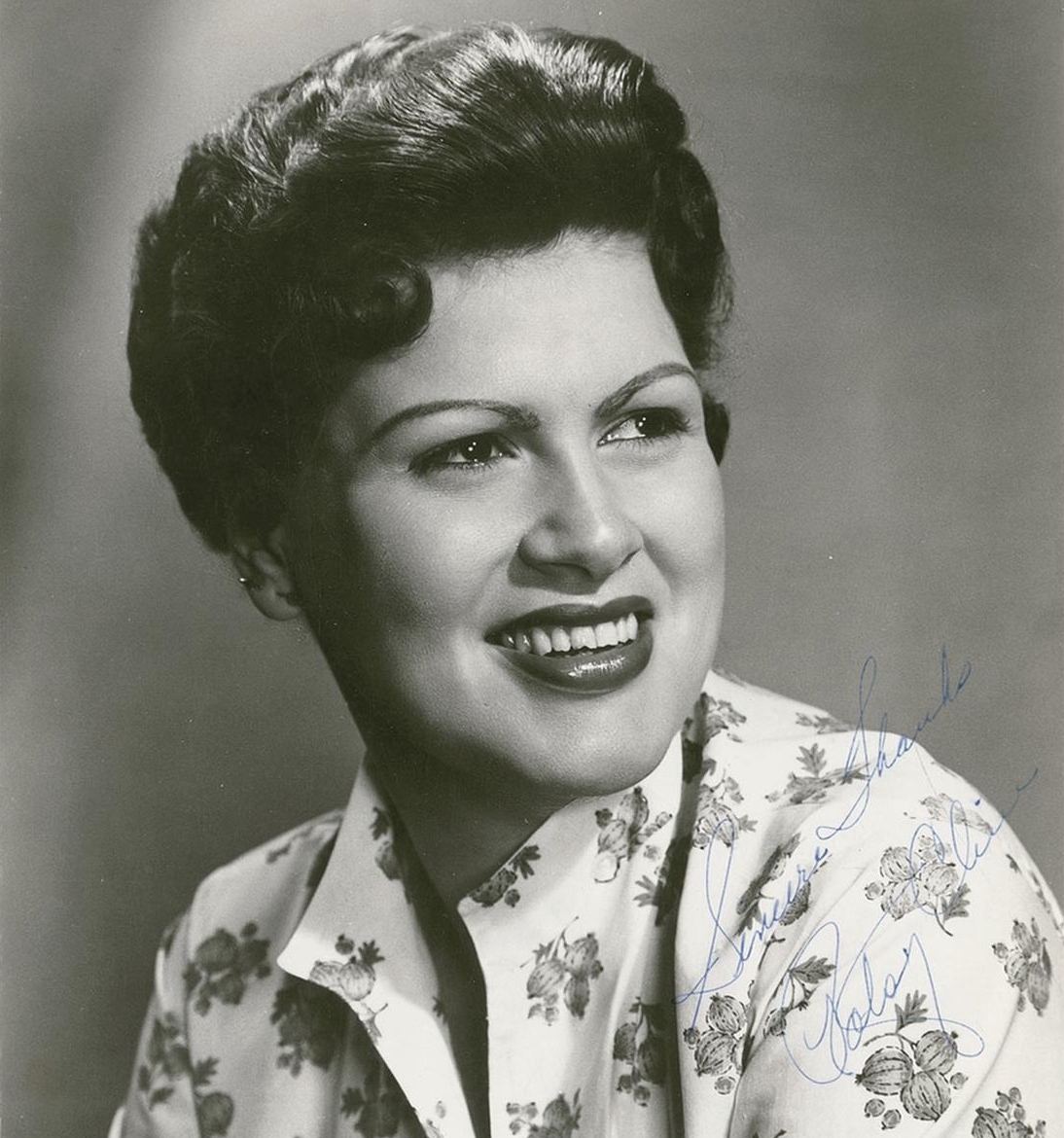
And even if a lot of country songs, we think about some of the things we're talking about earlier, like the 60s stuff, like even Jim Reeves, Patsy Cline, etc., even though that's about heartache and loss and those types of things, it's really formed in hard living.

And I remember talking to my uncles a lot about, you know, what is it my grandparents, their parents loved about country music? What is it that really resonated with them? And you know, they would make these kind of like big leaps, but what they were getting at, they were like, this is country comes from the blues country comes from slavery in a way.

And, um, they talk about like, when you think about my grandmother, you know, singing these like very sad songs or humming them as she moves around the house and, you know, just kind of going about her day to day and just sort of like kind of swaying and humming as she works.

That's that sort of like, um you know going way way back thinking about slavery thinking about oppression and that's what the music kind of comes from and so spiritually or sort of like in the in the melancholy register of country music that's a connection that i think that is important but yeah you talked about uh yeah morality and and religion and things like that i guess if you think about the cowboy films and cowboy movies and some of the songs and stuff there's lots of sort of clear themes around um vengeance redemption Um, you know, things that feed into, in a way into that sort of like, uh, you know, church going culture that already prized that in some sort of way.

And so I think those sort of stories that are coming out of it, if people coming out of hard conditions of hard times and finding their way or people being sort of looked down upon and then finding their way back, I think comes through quite clearly in country music.

And yeah, we go on to talk about themes of home and the question of home and migration and sort of spirituality and the overlapping themes there.

There's connections between, you know, Christianity, country music, kind of Rastafari views and country music as well.
no of course i mean you perfectly brought me to sort of my next question because i think that outlaw figure is on one hand such a staple part of jamaican music culture right and from like maybe an academic perspective because i'm
My professional bag, right? I even thought of Garth White's sort of really like standout article, Rudy, Oh Rudy, in which he's doing exactly as you were talking about, right? Sort of historicizing the rude boy or Rudy figure in terms of Jamaican sort of like that.
early post-independence moment really sort of characterizing Black masculinity in Jamaica at that point.
These figures of rude boys as really being multidimensional because they're not just, quote unquote, these, you know, bad figures that are bringing down the post-independence, you know, image that Jamaica is trying to create.
But they're these young men who are dealing with the aftermath, impact, of colonization of neocolonialism etc right um but i think that also to me really underscores the importance of the various themes that you were also showcasing in terms of country music right whether that be morality whether that be um survival spirituality and so For you, how do you think those different themes show up within country music and then thus, you know, were really impactful in the ways that Jamaicans adopted and really saw themselves through a genre that doesn't quote unquote look like us?

I mean, before we get into those ones, I think one that isn't as often talked about, but I think was a major one, is just the sort of rural self-recognition.

You know, do you think about country music was also... coming into jamaica at a time or really having an impact at a time where as you said that post independence moment where people are starting to form a voice and where local music scenes are starting to blossom a bit so it's coming in that gestational period and um i think about the sort of like pre pre-reggie decade or moment and and i think country music was uh was important there and something that a lot of those you know we don't talk about as much but uh kind of reggae pioneers, something about them was a lot of them came up from, you know, upcountry and saw themselves as country people.

And so I think just some of those, you know, the themes of the land and daily rhythms of rural life and, you know, religion just resonated really strongly.

And also the extent to which the future was very urban and, you know, painted as very urban, there wasn't as much space for someone from the country.

And so I think it was, that was a really just sort of important theme as well.

But the things that I've seen also in my family, I think that country music is in lots of ways is struggle music.

It's, you know, it's good stories about people at the bottom who are trying to sort of find their way.

And even if a lot of country songs, we think about some of the things we're talking about earlier, like the 60s stuff, like even Jim Reeves, Patsy Cline, etc., even though that's about heartache and loss and those types of things, it's really formed in hard living.

And I remember talking to my uncles a lot about, you know, what is it my grandparents, their parents loved about country music? What is it that really resonated with them? And you know, they would make these kind of like big leaps, but what they were getting at, they were like, this is country comes from the blues country comes from slavery in a way.

And, um, they talk about like, when you think about my grandmother, you know, singing these like very sad songs or humming them as she moves around the house and, you know, just kind of going about her day to day and just sort of like kind of swaying and humming as she works.

That's that sort of like, um you know going way way back thinking about slavery thinking about oppression and that's what the music kind of comes from and so spiritually or sort of like in the in the melancholy register of country music that's a connection that i think that is important but yeah you talked about uh yeah morality and and religion and things like that i guess if you think about the cowboy films and cowboy movies and some of the songs and stuff there's lots of sort of clear themes around um vengeance redemption Um, you know, things that feed into, in a way into that sort of like, uh, you know, church going culture that already prized that in some sort of way.

And so I think those sort of stories that are coming out of it, if people coming out of hard conditions of hard times and finding their way or people being sort of looked down upon and then finding their way back, I think comes through quite clearly in country music.

And yeah, we go on to talk about themes of home and the question of home and migration and sort of spirituality and the overlapping themes there.

There's connections between, you know, Christianity, country music, kind of Rastafari views and country music as well.
The rest of this transcript — segmented and speaker-labeled, so you land on the exact moment something was said
Search every transcript — by keyword, by phrase, or by meaning, across every show Radar indexes
Trends — what is surging across podcasts, measured against its own baseline
Alerts — when a name you follow appears in a newly indexed episode
No account is needed to search Radar.