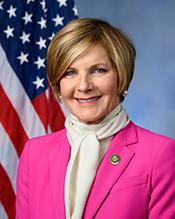
Revisited Claire Thomas - "You Don't Own Me"
Oct 10, 2026 · 1 hr · 11 segments
With the 2026 midterm elections just weeks away, host Erika Washington revisits a powerful conversation from earlier this season with former Nevada Assemblywoman Claire Thomas (District 17). Claire…
With the 2026 midterm elections just weeks away, host Erika Washington revisits a powerful conversation from earlier this season with former Nevada Assemblywoman Claire Thomas (District 17). Claire shares her journey from Brooklyn to Las Vegas by way of the U.S. Air Force, her experiences with racism and sexism in the military, and how she unexpectedly stepped into public office after the passing of Assemblyman Tyrone Thompson. She holds nothing back — from being called a "token" by a commanding officer, to being one of only four legislators to vote against school expulsion bills AB 285 and AB 330, to her thoughts on the current state of the Nevada Democratic Party and what real leadership should look like. This is a conversation about community, courage, and the cost of standing up when everyone else sits down. **Episode Summary** A replay episode ahead of the 2026 midterm elections, featuring former Nevada Assemblywoman Claire Thomas. Claire discusses her military service, her path to the Nevada State Legislature, her fight against school expulsion bills, and her candid assessment of the Democratic Party's direction in Nevada. **Key Topics** - Midterm voting mindset: Erika opens with a call to think beyond yourself when voting - Replay introduction to Claire Thomas, former Nevada Assemblywoman - Claire's Nevada roots and what made her fall in love with Las Vegas - The Air Force reality check: Little Rock, missile maintenance, and broken promises - Racism and sexism in the military: the "token" experience at Little Rock AFB - Military progress today: Claire reflects on changes (and setbacks) for women and Black service members - Running for Assembly: stepping into Tyrone Thompson's seat after his sudden passing - "Not a seat warmer": Claire on pushing back against party expectations - School expulsion bills AB 285 and AB 330: why Claire was the lone voice saying no - Restorative justice fallout: COVID's impact on students and why AB 169 was abandoned - How laws actually get implemented (or don't): the reality of unfunded mandates - Why CCSD struggles: top-heavy leadership and the funding problem - State party problems: Claire's candid take on the Nevada Democratic Party's decline - "Mean girls and cliques": what caucus culture really looks like - What democracy means: Claire's reflection on freedom, community, and what we're throwing away - Closing credits **Guest Bio** Claire Thomas is a former Nevada Assemblywoman for District 17, a U.S. Air Force veteran, and a longtime Las Vegas resident of 43+ years. Originally from Brooklyn, New York, Claire served as an air traffic controller at Nellis Air Force Base before becoming deeply involved in Nevada's Democratic Party and community advocacy. She served two terms in the Nevada State Assembly, where she was known for speaking up on education, labor, and community issues. Claire is a proud member of SEIU and a mother and grandmother of native Nevadans. **Host** Erika Washington — Host, creator, and executive producer of Sticky Note Conversations. **Credits** Editing by Black Gypsy LLC. Special thanks to KUNV 91.5 in Las Vegas. Sticky Note Conversations is powered by Make It Work Nevada, a project of Tides Advocacy.
With the 2026 midterm elections just weeks away, host Erika Washington revisits a powerful conversation from earlier this season with former Nevada Assemblywoman Claire Thomas (District 17). Claire…