Sep 24, 2026 · 40 min · 9 segments
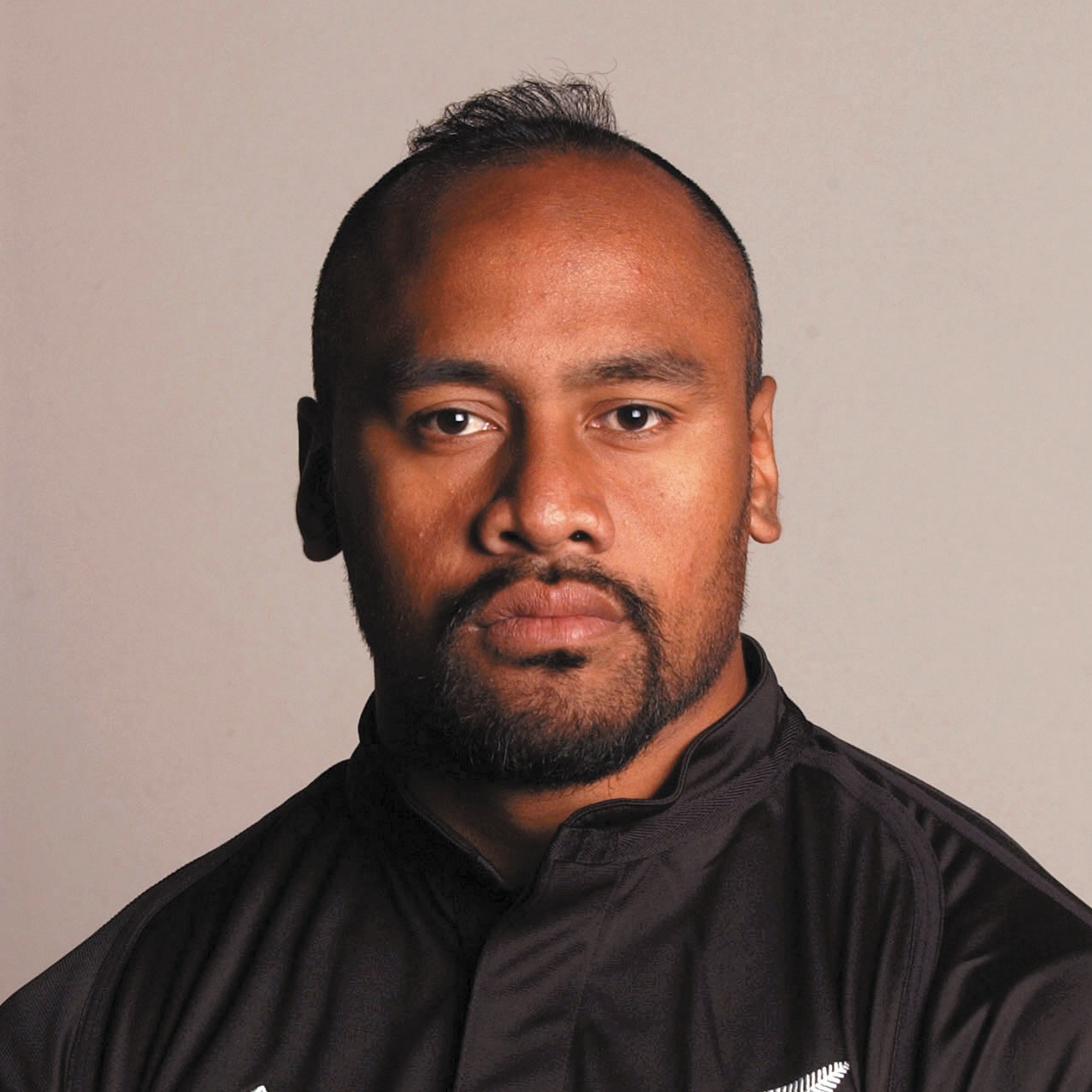
Few athletes have transformed their sport quite like Jonah Lomu. A force of nature on the rugby pitch and a global icon beyond it, his story is one of extraordinary talent, cultural identity, personal…
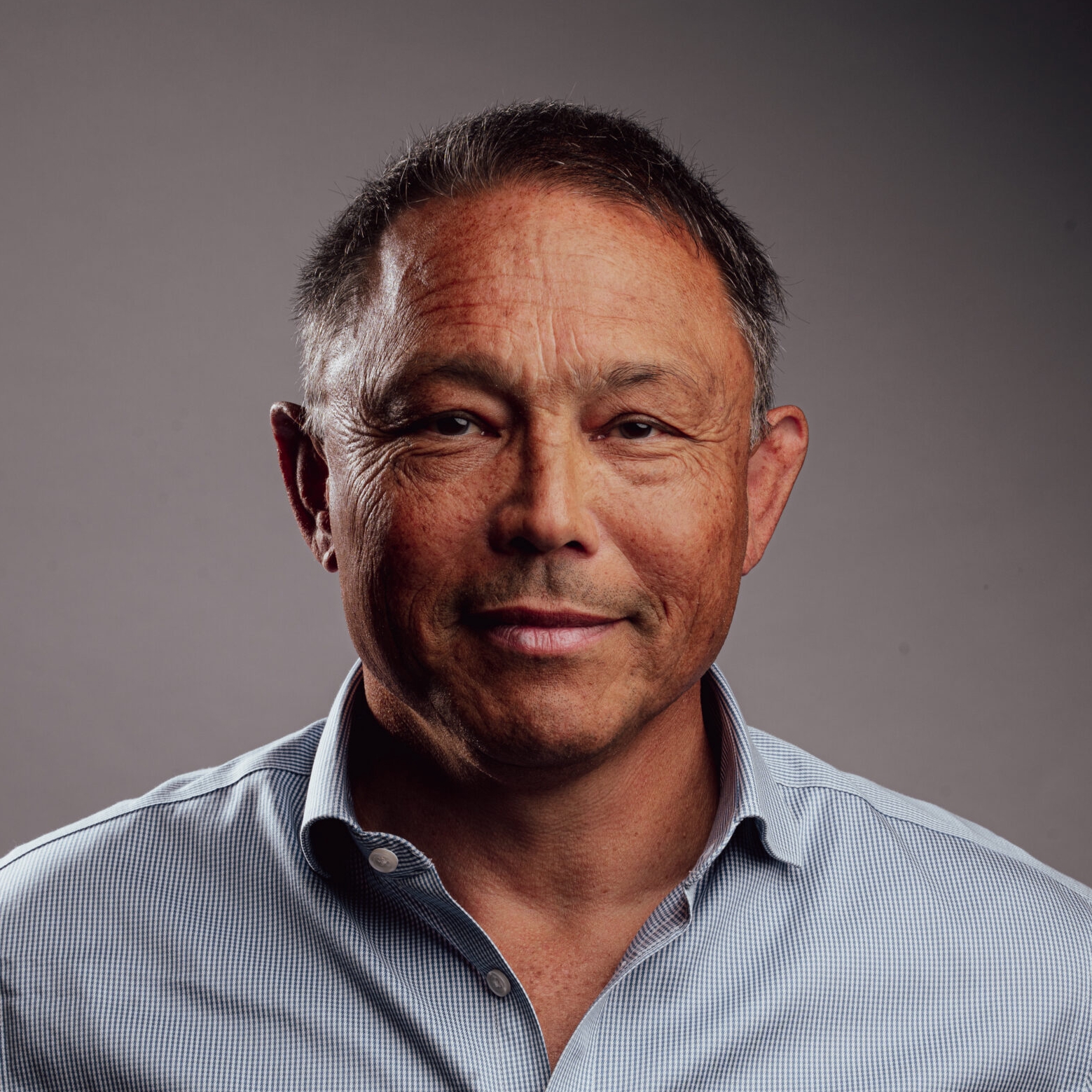
Marcus BucklandHost
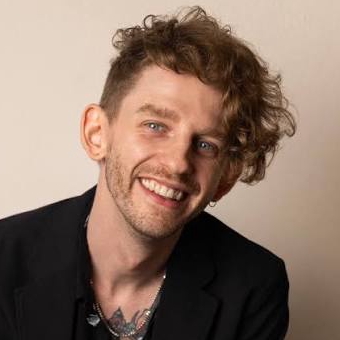
Gavin FitzgeraldGuestThere's a little bit of backhander and under the table, but the game is still amateur.
You know, you've got people like Rob Andrew, who's working in the property market and Brian Moore was a solicitor and, you know, people were dentists and all these, you know, and all these sorts of things.

it's quite good to be a dentist when you're playing rugby because you'll have a lot of customers after a match.
And they go to South Africa in 1995, knowing that the game is going to go professional.
The apartheid has been dismantled and Nelson Mandela has been made president because obviously rugby union was so associated with the white man and therefore...
the apartheid regime, a lot of that black population was saying to Nelson Mandela, what are you doing running towards the game, as it were? And he was going, we have to be one nation now.
And obviously, that manifests itself on the final of the World Cup in 1995, where he's wearing Francois Pinard's shirt and so forth.
So everyone knows the game is going to go professional but wingers in those days think about the wingers in those days people like Rory Underwood they're quite slim they're small they're quick if you go back to the 70s people like JJ Williams on the wing you know the great Welsh teams and then suddenly you get this 20 year old he'd made his debut at 19 this 20 year old Jonah Loma who's six foot five who's 19 stone that's 119 kilograms and who can run the 100 meters in 10.8 seconds now Chesley Colby is pretty much the quickest winger in the world today.
So you have got this complete, and we'll call him Will Carling calls him this after this famous semi-final, this complete freak of nature where you've got this man who can run like the wind, but is 19 stone and is six foot five and rugby had never seen it before.
There's a little bit of backhander and under the table, but the game is still amateur.
You know, you've got people like Rob Andrew, who's working in the property market and Brian Moore was a solicitor and, you know, people were dentists and all these, you know, and all these sorts of things.

it's quite good to be a dentist when you're playing rugby because you'll have a lot of customers after a match.
And they go to South Africa in 1995, knowing that the game is going to go professional.
The apartheid has been dismantled and Nelson Mandela has been made president because obviously rugby union was so associated with the white man and therefore...
the apartheid regime, a lot of that black population was saying to Nelson Mandela, what are you doing running towards the game, as it were? And he was going, we have to be one nation now.
And obviously, that manifests itself on the final of the World Cup in 1995, where he's wearing Francois Pinard's shirt and so forth.
So everyone knows the game is going to go professional but wingers in those days think about the wingers in those days people like Rory Underwood they're quite slim they're small they're quick if you go back to the 70s people like JJ Williams on the wing you know the great Welsh teams and then suddenly you get this 20 year old he'd made his debut at 19 this 20 year old Jonah Loma who's six foot five who's 19 stone that's 119 kilograms and who can run the 100 meters in 10.8 seconds now Chesley Colby is pretty much the quickest winger in the world today.
So you have got this complete, and we'll call him Will Carling calls him this after this famous semi-final, this complete freak of nature where you've got this man who can run like the wind, but is 19 stone and is six foot five and rugby had never seen it before.
The rest of this transcript — segmented and speaker-labeled, so you land on the exact moment something was said
Search every transcript — by keyword, by phrase, or by meaning, across every show Radar indexes
Trends — what is surging across podcasts, measured against its own baseline
Alerts — when a name you follow appears in a newly indexed episode
No account is needed to search Radar.