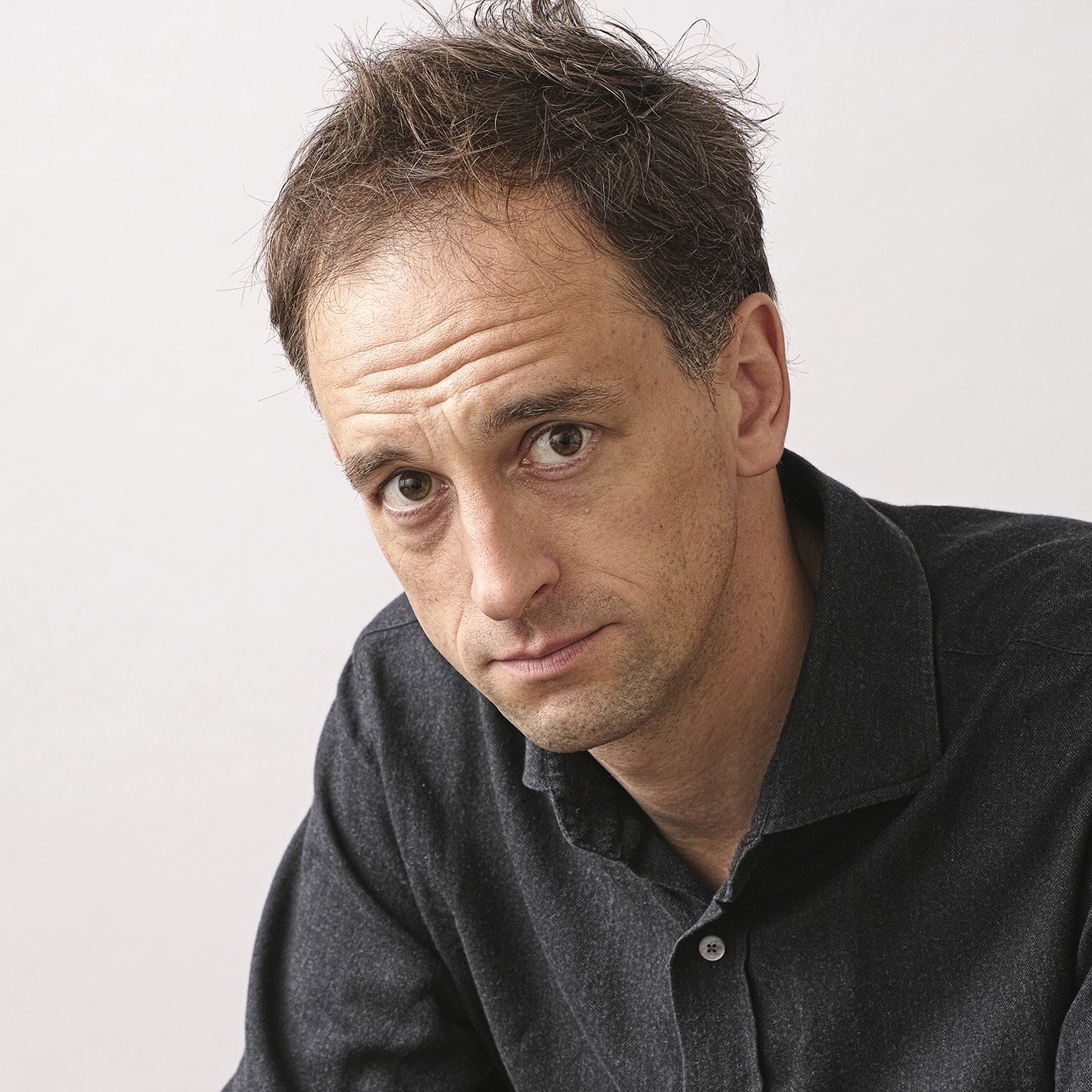
Charles CummingGuest
Terrence McCauleyHostNow, how do you feel about the series in general? You started off with with one single idea.
Did you think that this was going to become a series or has the character grown as the demand for these books have grown?

And I said to my editor here in London, who actually since retired, I don't think she's retired because of me.

She said to me, you know, what do you want to do? And I said, I'd like to write a series of stories.

sort of almost kind of quasi historical novel set in the 1990s for two reasons.

One of which I've already mentioned that there aren't really very many spy novels set in the 1990s.

the technology problem that um cell phones uh wi-fi and all of the um the the google and the and the facebook and the um of the of the present day has radically changed espionage and intelligence gathering and surveillance and therefore because of that has also radically changed storytelling To give you a simple example, in Judas 62, the second novel, the young 22-year-old kite is sent to Russia, to the city of Voronezh, to help extract a Russian biological weapons specialist.

But if he wants to make a phone call back to base, as it were, he has to go to the post office in the town and book an international call.

And then that international call will be listened to by all the people chasing him.

So from a storytelling perspective, you can generate a lot more suspense than you can in the present day where Kite could literally just pick up signal on his cell phone and send an end-to-end encrypted message like, come and get me, as it were.
Yeah, that was a time when MapQuest was a huge cutting edge technology and fax machines were very much a way we communicated.

And she said, well, it's a shame because you've built up a reputation as a chronicler of 21st century espionage of Google and number plate recognition cameras and Wi-Fi and all the rest of it.
Now, how do you feel about the series in general? You started off with with one single idea.
Did you think that this was going to become a series or has the character grown as the demand for these books have grown?

And I said to my editor here in London, who actually since retired, I don't think she's retired because of me.

She said to me, you know, what do you want to do? And I said, I'd like to write a series of stories.

sort of almost kind of quasi historical novel set in the 1990s for two reasons.

One of which I've already mentioned that there aren't really very many spy novels set in the 1990s.

the technology problem that um cell phones uh wi-fi and all of the um the the google and the and the facebook and the um of the of the present day has radically changed espionage and intelligence gathering and surveillance and therefore because of that has also radically changed storytelling To give you a simple example, in Judas 62, the second novel, the young 22-year-old kite is sent to Russia, to the city of Voronezh, to help extract a Russian biological weapons specialist.

But if he wants to make a phone call back to base, as it were, he has to go to the post office in the town and book an international call.

And then that international call will be listened to by all the people chasing him.

So from a storytelling perspective, you can generate a lot more suspense than you can in the present day where Kite could literally just pick up signal on his cell phone and send an end-to-end encrypted message like, come and get me, as it were.
Yeah, that was a time when MapQuest was a huge cutting edge technology and fax machines were very much a way we communicated.

And she said, well, it's a shame because you've built up a reputation as a chronicler of 21st century espionage of Google and number plate recognition cameras and Wi-Fi and all the rest of it.
The rest of this transcript — segmented and speaker-labeled, so you land on the exact moment something was said
Search every transcript — by keyword, by phrase, or by meaning, across every show Radar indexes
Trends — what is surging across podcasts, measured against its own baseline
Alerts — when a name you follow appears in a newly indexed episode
No account is needed to search Radar.