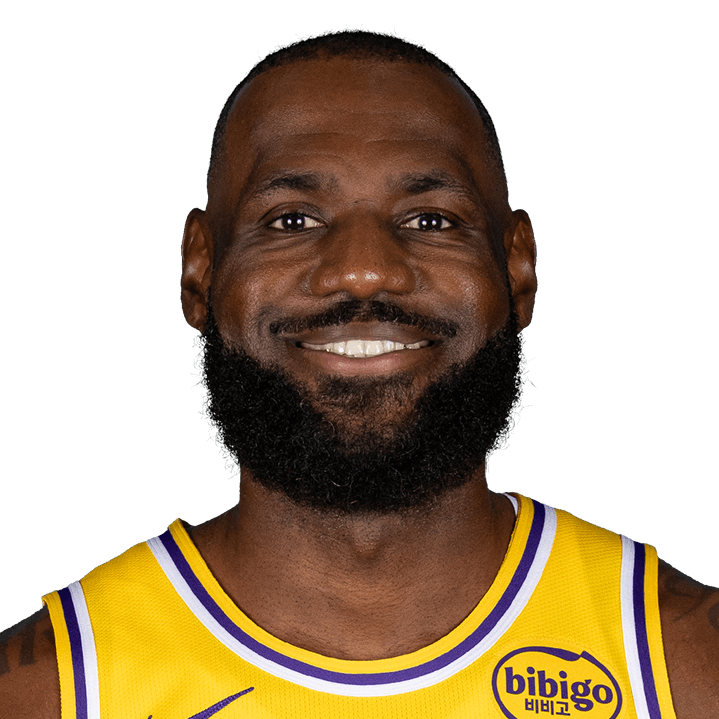
The three cards in question that we're going to look at today are classic iconic cards.
That's for my basketball guys.
The second one is the 2014 World Cup Prizm Lionel Messi and those parallels for my soccer fellas.
And the second thing that I want to pull up is that all of these things are going to be indexed to both player index and sport index.
Now, what that means is a lot of times these sales are going to happen at different times.
So if you're comparing a sale in 2018 to a sale in 2022, it's going to be very different in terms of how it's changed even if both of those were then sold in 2026 for the different cards, even if both those two cards had sales on the same day in 2026.
Because they had different starting points, it's going to be all wonky.
And they certainly don't have the same ending sales dates either.
So how do we solve this problem? We do this through indexing.
Indexing takes a broad basket of different cards.
This gives us a snapshot of how the overall player market has performed during a long time span, and we can do the same thing with sports in general.
We can do it for basketball.
We can do it for Pokemon.
We can index everything so that we have a measuring stick with which to measure against everything.
Also going to compare those Topps Chrome cards to how they performed against the basketball card market in general.
This then answers not just the question which 2003 LeBron James parallels or grades have performed the best, but also how have these cards and parallels compared to LeBron James in general, and even more generally, how have these cards compared to the overall basketball market during these time frames.
The three cards in question that we're going to look at today are classic iconic cards.
That's for my basketball guys.
The second one is the 2014 World Cup Prizm Lionel Messi and those parallels for my soccer fellas.
And the second thing that I want to pull up is that all of these things are going to be indexed to both player index and sport index.
Now, what that means is a lot of times these sales are going to happen at different times.
So if you're comparing a sale in 2018 to a sale in 2022, it's going to be very different in terms of how it's changed even if both of those were then sold in 2026 for the different cards, even if both those two cards had sales on the same day in 2026.
Because they had different starting points, it's going to be all wonky.
And they certainly don't have the same ending sales dates either.
So how do we solve this problem? We do this through indexing.
Indexing takes a broad basket of different cards.
This gives us a snapshot of how the overall player market has performed during a long time span, and we can do the same thing with sports in general.
We can do it for basketball.
We can do it for Pokemon.
We can index everything so that we have a measuring stick with which to measure against everything.
Also going to compare those Topps Chrome cards to how they performed against the basketball card market in general.
This then answers not just the question which 2003 LeBron James parallels or grades have performed the best, but also how have these cards and parallels compared to LeBron James in general, and even more generally, how have these cards compared to the overall basketball market during these time frames.
The rest of this transcript — segmented and speaker-labeled, so you land on the exact moment something was said
Search every transcript — by keyword, by phrase, or by meaning, across every show Radar indexes
Trends — what is surging across podcasts, measured against its own baseline
Alerts — when a name you follow appears in a newly indexed episode
No account is needed to search Radar.