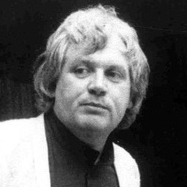
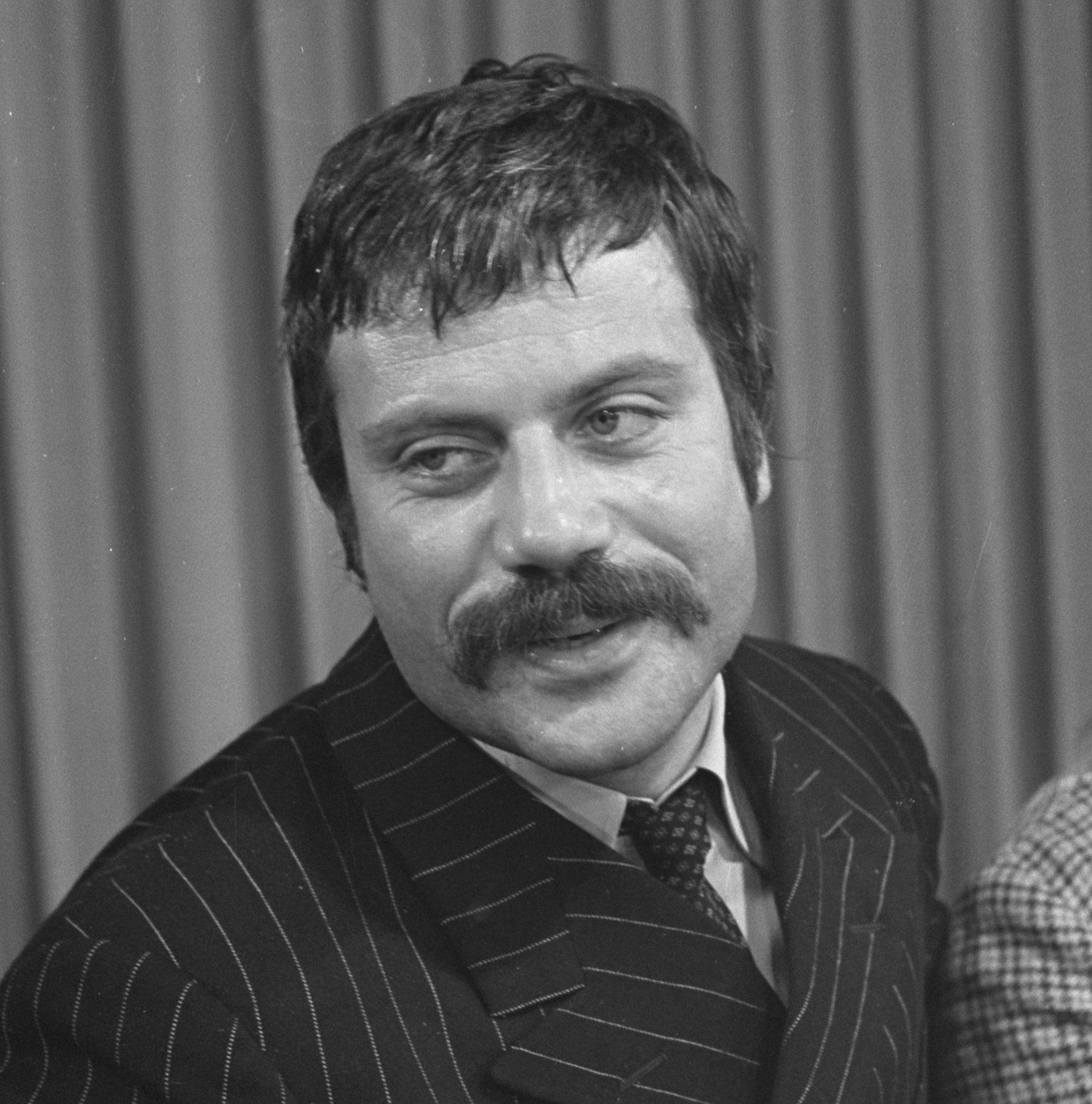
The most controversial and censored movie of 1971 has finally been restored to its full glory — and it might just be the greatest Faust fable of all time. Vanessa Rengrave's Sister Jeanne is easily the best Mephistopheles ever put to screen, and Oliver Reed's Grandier is an operatic, literally mustache-twirling Faustus. In this episode, we're breaking out the Marlowe to do a full-bodied analysis of Ken Russell's The Devils through a Faustian lens. Topics include: offscreen contracts, implied terms, the effect that a hundred Mephistopheles have on one Faustus, Ken Russell's brutal interpretation of Faustus' final exclamation, the titular pluralism that defines this reading of Marlowe, and, more broadly, the unrivaled cultural staying power of the Faust mythology.
LINKS: Patreon, YouTube, Spotify, Instagram, Cam's Books
Feedback & Theories: [secondbreakfastpod@gmail.com](mailto:secondbreakfastpod@gmail.com)
00:00 The Faustian Lens
03:56 Many Mephistopheles
06:00 Offscreen Contract
10:06 Debating the Marriage
16:04 Dragged Down to Hell
17:07 Faustus' Final Line
20:06 The Mock Crucifixion
21:21 Parade(s) of the Seven Deadly Sins
23:31 Looking for Lucifer
25:06 Sister Jeanne Analysis
28:16 Populist Plurality
30:19 Slight of Hand Tragedy
31:36 Why Faustus Matters
t33:16 Closing Thoughts