Jul 19, 2026 · 25 min · 10 segments
Listeners sometimes ask what's been the most popular episode of Scream Therapy through the years. Well, one episode stands way above the rest. That's episode 40 with Amy Taylor of breakout Aussie punk…
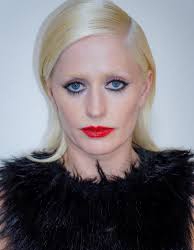
Amy TaylorGuest
Jason SchreursHostBye.
Bye.

I've just always really like live music to me is super important as like a community thing and being included, I guess.

I think live music and like punk music and I guess whatever genre you listen to, but because I really love garage and the energy of punk, garage, hardcore, all that stuff.

that's what I like and that's where I feel like I can just get rowdy and be myself but I think it's really important because it's for me I kind of am like socially sort of weirdo but when you go to gigs and stuff you can be around heaps of different people you can like chat with a couple of different people but you're all together and you're all like sharing something and you're like you know it's like really cathartic to like flash around in a pit and get sweaty and listen to music it's just really the peak of life in a lot of ways

the thrashing around and being in the pit, those things were therapy for you to help with your mental health?

I think I didn't even really realize that it was until maybe like, maybe even just even the last couple of weeks when I realized like, oh, that's probably like a big part of why I feel weird about just like a hole in my identity because so much of my socializing always came from that.

But it's definitely a big part of my mental health and like feeling like I'm a part of something.

But to get rid of it, dancing to music in any kind of capacity is just really special, I think.

It's pretty, pretty gentrified now, which is pretty normal for everywhere, I guess.

Growing up, there wasn't really, because it's so small, like there's like never any shows on and stuff.

But then somebody introduced me to hardcore shows and So I just used to go to like local kind of like punk hardcore garage bands constantly because they were all ages.
Bye.
Bye.

I've just always really like live music to me is super important as like a community thing and being included, I guess.

I think live music and like punk music and I guess whatever genre you listen to, but because I really love garage and the energy of punk, garage, hardcore, all that stuff.

that's what I like and that's where I feel like I can just get rowdy and be myself but I think it's really important because it's for me I kind of am like socially sort of weirdo but when you go to gigs and stuff you can be around heaps of different people you can like chat with a couple of different people but you're all together and you're all like sharing something and you're like you know it's like really cathartic to like flash around in a pit and get sweaty and listen to music it's just really the peak of life in a lot of ways

the thrashing around and being in the pit, those things were therapy for you to help with your mental health?

I think I didn't even really realize that it was until maybe like, maybe even just even the last couple of weeks when I realized like, oh, that's probably like a big part of why I feel weird about just like a hole in my identity because so much of my socializing always came from that.

But it's definitely a big part of my mental health and like feeling like I'm a part of something.

But to get rid of it, dancing to music in any kind of capacity is just really special, I think.

It's pretty, pretty gentrified now, which is pretty normal for everywhere, I guess.

Growing up, there wasn't really, because it's so small, like there's like never any shows on and stuff.

But then somebody introduced me to hardcore shows and So I just used to go to like local kind of like punk hardcore garage bands constantly because they were all ages.
The rest of this transcript — segmented and speaker-labeled, so you land on the exact moment something was said
Search every transcript — by keyword, by phrase, or by meaning, across every show Radar indexes
Trends — what is surging across podcasts, measured against its own baseline
Alerts — when a name you follow appears in a newly indexed episode
No account is needed to search Radar.