Rights & Realities: Remembering 1986
Jul 8, 2026 · 1 hr 2 min · 10 segments
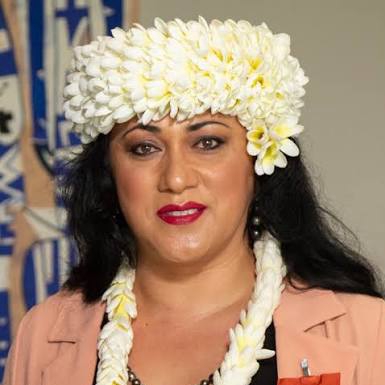
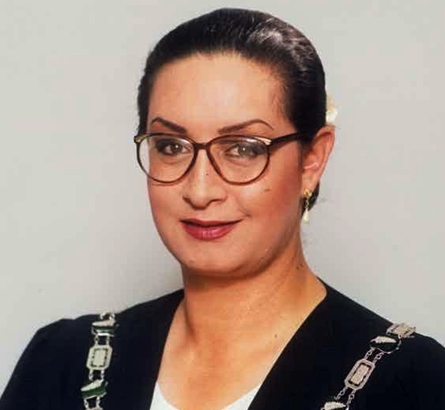
In this episode, we meet Niuean fakafifine and rights activist Phylesha Brown-Acton, and wahine Takatāpui, former MP, and marriage equality changemaker, Louisa Wall. They discuss Indigenous…
Phylesha Brown-ActonGuest
Louisa WallGuest2026 marks 40 years since the Homosexual Law Reform Act passed, the moment that sex between consenting men was finally decriminalised in Aotearoa New Zealand and a major step towards equality was taken.
In this podcast, leaders from our rainbow communities guide us through the changing story of sexuality and gender, revisit the moments that shaped a landmark bill, reflect on the Human Rights Commission's role, and honour the courage of those who fought on the frontlines for equality.
Episode 4, Dignity and Identity.
From the early 1990s, members of Parliament who openly identified as rainbow people began to enter the House of Representatives and take a seat at the table.
Georgina Bayer, the world's first openly transgender MP, put forward a Members' Bill in 2004 to add gender identity as a prohibited ground of discrimination in the Human Rights Act.
She withdrew her bill after the Attorney-General provided a legal opinion confirming that gender identity was already covered by existing law.
Since 2005, Te Kahui Te Katangata Human Rights Commission has interpreted the Human Rights Act's prohibited ground of discrimination of sex as inclusive of gender identity, accepting complaints of discrimination from trans people on that basis.
Interpreting our human rights law in this way is in line with international human rights standards and guidance.
Between 2006 and 2008, the Commission conducted an inquiry into the discrimination faced by transgender people.
and the report of the inquiry, To Be Who I Am, is still considered a landmark publication internationally.
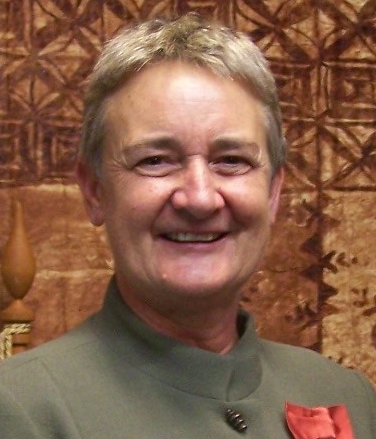
Former MP Catherine O'Regan, who had succeeded in adding sexual orientation in the Human Rights Act in 1993, later apologised to trans people for not including them.
Here she is in 2012.
Good evening everybody and thank you and I want to start by first of all apologising to transgender people.
for not including you in that bill.
We did discuss it a lot, and I thought, I'm only going to get this far this time.
It was a bit like Fran was just saying now, that when she introduced the complete homosexual law reform bill, we hadn't the part about human rights.
The House would only go so far, and rather than lose it all, you had to lose something.
And I'm afraid that I think that the transgender issue was just that little bit too far.
I would love to have done it, and I hope that somebody does that very soon.
At the final reading of the Marriage Equality Bill in April 2013, the public gallery in the debating chamber was packed to capacity with advocates and supporters.
Upon the announcement of 77 votes in favour to 44 against, spectators spontaneously burst into a moving rendition of the waiata Pokarikariana.
Four years later, our communities reached another significant milestone when the Justice Minister formally apologised to homosexual men who had been convicted in the past for consensual sexual activity before homosexual law reform in the 1980s.
The motion was unanimously agreed upon across the House, recognising the tremendous hurt and suffering those men and their families had gone through and the continued effects the convictions have had on them.
Motions in which the House apologises as opposed to the Crown rarely occur.
When human rights have been breached, everyone has the right to an effective remedy.
2026 marks 40 years since the Homosexual Law Reform Act passed, the moment that sex between consenting men was finally decriminalised in Aotearoa New Zealand and a major step towards equality was taken.
In this podcast, leaders from our rainbow communities guide us through the changing story of sexuality and gender, revisit the moments that shaped a landmark bill, reflect on the Human Rights Commission's role, and honour the courage of those who fought on the frontlines for equality.
Episode 4, Dignity and Identity.
From the early 1990s, members of Parliament who openly identified as rainbow people began to enter the House of Representatives and take a seat at the table.
Georgina Bayer, the world's first openly transgender MP, put forward a Members' Bill in 2004 to add gender identity as a prohibited ground of discrimination in the Human Rights Act.
She withdrew her bill after the Attorney-General provided a legal opinion confirming that gender identity was already covered by existing law.
Since 2005, Te Kahui Te Katangata Human Rights Commission has interpreted the Human Rights Act's prohibited ground of discrimination of sex as inclusive of gender identity, accepting complaints of discrimination from trans people on that basis.
Interpreting our human rights law in this way is in line with international human rights standards and guidance.
Between 2006 and 2008, the Commission conducted an inquiry into the discrimination faced by transgender people.
and the report of the inquiry, To Be Who I Am, is still considered a landmark publication internationally.
Former MP Catherine O'Regan, who had succeeded in adding sexual orientation in the Human Rights Act in 1993, later apologised to trans people for not including them.
Here she is in 2012.
Good evening everybody and thank you and I want to start by first of all apologising to transgender people.
for not including you in that bill.
We did discuss it a lot, and I thought, I'm only going to get this far this time.
It was a bit like Fran was just saying now, that when she introduced the complete homosexual law reform bill, we hadn't the part about human rights.
The House would only go so far, and rather than lose it all, you had to lose something.
And I'm afraid that I think that the transgender issue was just that little bit too far.
I would love to have done it, and I hope that somebody does that very soon.
At the final reading of the Marriage Equality Bill in April 2013, the public gallery in the debating chamber was packed to capacity with advocates and supporters.
Upon the announcement of 77 votes in favour to 44 against, spectators spontaneously burst into a moving rendition of the waiata Pokarikariana.
Four years later, our communities reached another significant milestone when the Justice Minister formally apologised to homosexual men who had been convicted in the past for consensual sexual activity before homosexual law reform in the 1980s.
The motion was unanimously agreed upon across the House, recognising the tremendous hurt and suffering those men and their families had gone through and the continued effects the convictions have had on them.
Motions in which the House apologises as opposed to the Crown rarely occur.
When human rights have been breached, everyone has the right to an effective remedy.
The rest of this transcript — segmented and speaker-labeled, so you land on the exact moment something was said
Search every transcript — by keyword, by phrase, or by meaning, across every show Radar indexes
Trends — what is surging across podcasts, measured against its own baseline
Alerts — when a name you follow appears in a newly indexed episode
No account is needed to search Radar.