Rights & Realities: Remembering 1986
Jul 8, 2026 · 34 min · 12 segments
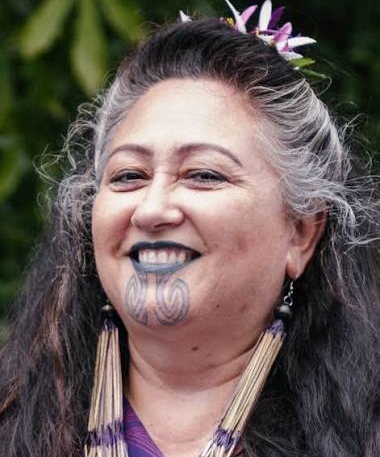
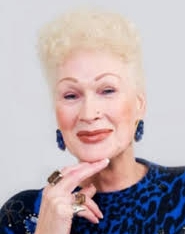
In this episode, Takatāpui scholar Professor Elizabeth Kerekere and gender studies professor, Professor Chris Brickell trace the journey from pre-colonial identity to culture building and urban…
Elizabeth KerekereGuest
Chris BrickellGuestFor most of New Zealand's history since colonisation, homosexual activity, specifically for men, wasn't just frowned upon, it was a crime.
From 1840 onward, people could be arrested, imprisoned, sentenced to hard labour, and from 1858 until 1893 even executed, simply for who they were.
Some were forced into conversion practices to change their identity.
And too many lives were cut short by violence and by shame.
Public attitudes were harsh and the law was cruel.
In 1925, the New Zealand Truth newspaper described gay men in the prison population as unfortunate perverts, claiming even floggings had failed to cure them and suggesting extreme solutions like lifelong segregation or surgery Around the same time, people who didn't conform to gender norms were also being punished.
In 1927, 18-year-old George Grace was imprisoned for being disguised or wearing women's clothing and attending a girls' college.
And this kind of policing didn't just disappear.
Well into the 20th century, gay men and trans women were surveilled, entrapped and targeted.
Here's legendary trans activist Dana Demilo talking about police violence in the late 1960s.
If you're different, you don't go near a policeman because they're God unto themselves.
You know, there's one here that used to arrest me nearly every night of the week.
And he'd push my face and push it and push it and push it into the window until I said, fuck off or pig or something.
He'd go, gotcha.
And arrest it and say, arrest her.
Arrest it.
You know, that's what they called you, it.
But ours isn't only a history of harm.
That history reminds us that exclusion wasn't inevitable, it was imposed.
In this episode, Takatāpui scholar and artist, Professor Elizabeth Kerekere, and Professor of Gender Studies, Professor Chris Brickle, take us through that journey, from pre-colonial understandings of identity, culture building, and urban migration.
And they ask, what can this history teach us about who we are?
For most of New Zealand's history since colonisation, homosexual activity, specifically for men, wasn't just frowned upon, it was a crime.
From 1840 onward, people could be arrested, imprisoned, sentenced to hard labour, and from 1858 until 1893 even executed, simply for who they were.
Some were forced into conversion practices to change their identity.
And too many lives were cut short by violence and by shame.
Public attitudes were harsh and the law was cruel.
In 1925, the New Zealand Truth newspaper described gay men in the prison population as unfortunate perverts, claiming even floggings had failed to cure them and suggesting extreme solutions like lifelong segregation or surgery Around the same time, people who didn't conform to gender norms were also being punished.
In 1927, 18-year-old George Grace was imprisoned for being disguised or wearing women's clothing and attending a girls' college.
And this kind of policing didn't just disappear.
Well into the 20th century, gay men and trans women were surveilled, entrapped and targeted.
Here's legendary trans activist Dana Demilo talking about police violence in the late 1960s.
If you're different, you don't go near a policeman because they're God unto themselves.
You know, there's one here that used to arrest me nearly every night of the week.
And he'd push my face and push it and push it and push it into the window until I said, fuck off or pig or something.
He'd go, gotcha.
And arrest it and say, arrest her.
Arrest it.
You know, that's what they called you, it.
But ours isn't only a history of harm.
That history reminds us that exclusion wasn't inevitable, it was imposed.
In this episode, Takatāpui scholar and artist, Professor Elizabeth Kerekere, and Professor of Gender Studies, Professor Chris Brickle, take us through that journey, from pre-colonial understandings of identity, culture building, and urban migration.
And they ask, what can this history teach us about who we are?
The rest of this transcript — segmented and speaker-labeled, so you land on the exact moment something was said
Search every transcript — by keyword, by phrase, or by meaning, across every show Radar indexes
Trends — what is surging across podcasts, measured against its own baseline
Alerts — when a name you follow appears in a newly indexed episode
No account is needed to search Radar.