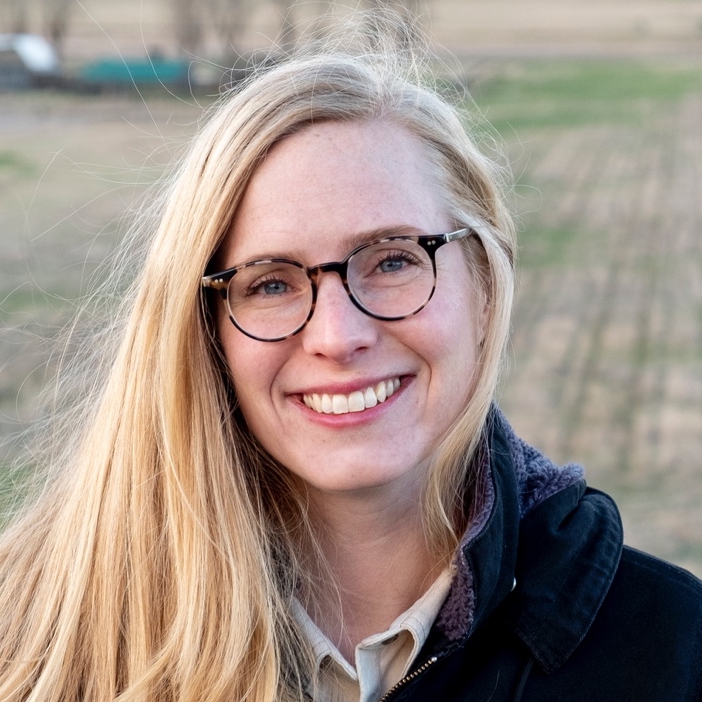
Megan TorgersonHostDoug SmithGuestPaula ThusenGuestKim RudniganGuest
Tom JorgensenGuest
Russ TorgersonGuest
Missy HobbsGuestRennie TorgersonGuestRalph SummersGuest
I'm your host, Megan Torgerson, and today we're going to share an episode I produced for a new podcast by the Montana Media Lab called The Obit Project.


The obituary aired on the Obit Project podcast and on Montana Public Radio this summer.

Reframing Rural Story editor Mary Auld was one of the creators of the season, along with founder of the iconic Radiolab podcast, Jad Abumrad, and University of Montana journalism professor, Jewel Banville.

The 12-episode series explores the lives of real Montanans and one town after they die.

There's possibly nothing more nerve-wracking than attempting to tell the story of your hometown in 25 minutes, while maybe declaring it dead and attempting to write its obituary.

Still, I think the story, the obituary for a small town, distills some of the essence of Dagmar, a town that suffered from consolidation in the ag industry, but that's not forgotten.

Dagmar was founded by Emil Ferdinand Madsen, a Danish immigrant and folk school teacher.

At the very beginning, the colony, named after a queen of Denmark, consisted of a post office located in Madsen's one-room house, where a cupboard was renovated into mailboxes.

There was a sod school and claim shanties built by the colony's first inhabitants.


At Nathaniel, they held services in Danish, and from the ceiling, they hung a proud red and white ship, like the one that carried Dagmar settlers across the Atlantic.

That ship hung in the nave, a symbol of our community's Scandinavian roots, until it burned down a few years ago.

Though I'm a lapsed Lutheran, when I got the news the church burned down, I cried.

It was a monument to our immigrant history, and an enduring and much-needed gathering place.

When it went up in flames, I was left with the feeling that Dagmar had just died.

That's the feeling I try to capture in today's story, while acknowledging the loss Plains tribes experienced when my settler ancestors moved in, and while holding onto hope that Dagmar could still someday rise from the ashes.
Read the full transcript.
Create an account to read the whole episode, search across every transcript, and follow the shows you care about.

I'm your host, Megan Torgerson, and today we're going to share an episode I produced for a new podcast by the Montana Media Lab called The Obit Project.


The obituary aired on the Obit Project podcast and on Montana Public Radio this summer.

Reframing Rural Story editor Mary Auld was one of the creators of the season, along with founder of the iconic Radiolab podcast, Jad Abumrad, and University of Montana journalism professor, Jewel Banville.

The 12-episode series explores the lives of real Montanans and one town after they die.

There's possibly nothing more nerve-wracking than attempting to tell the story of your hometown in 25 minutes, while maybe declaring it dead and attempting to write its obituary.

Still, I think the story, the obituary for a small town, distills some of the essence of Dagmar, a town that suffered from consolidation in the ag industry, but that's not forgotten.

Dagmar was founded by Emil Ferdinand Madsen, a Danish immigrant and folk school teacher.

At the very beginning, the colony, named after a queen of Denmark, consisted of a post office located in Madsen's one-room house, where a cupboard was renovated into mailboxes.

There was a sod school and claim shanties built by the colony's first inhabitants.


At Nathaniel, they held services in Danish, and from the ceiling, they hung a proud red and white ship, like the one that carried Dagmar settlers across the Atlantic.

That ship hung in the nave, a symbol of our community's Scandinavian roots, until it burned down a few years ago.

Though I'm a lapsed Lutheran, when I got the news the church burned down, I cried.

It was a monument to our immigrant history, and an enduring and much-needed gathering place.

When it went up in flames, I was left with the feeling that Dagmar had just died.

That's the feeling I try to capture in today's story, while acknowledging the loss Plains tribes experienced when my settler ancestors moved in, and while holding onto hope that Dagmar could still someday rise from the ashes.