Either it could be-- And he goes through a lot of the Psukim, uh, many of the Psukim to understand on two levels.
It could be talking about David HaMelech's own life when he's saved from Shaul, when, uh, he becomes the king.
Um, and also of course, uh, which he likes, and that is, it's being understood on the global national level when Klal Yisrael experienced the Geulah, uh, the Geulah Ha'asitas.
Veyesh omrim kel yemos hamashiach na'emar vehahoda al lashon bnei hagolus beyachid b'derech kala vezehu hanachan." That's what he likes.
He says it's referring to David, so then David HaMelech at the e-- We start off the Perek, "Hodu laHashem ki tov, ki le'olam chasdo." Hashem is all good.
It says in Ehave, "Pi el yom otzitzi haros va'atov." But Hashem is the ultimate good, who heitiv, who meitiv, who yeitiv, ki le'olam chasdo, hatov vehameytiv.
But then we call out, "Yomru na Yisrael, yomru na beit aharon, yomru la'yirei Hashem," three different groups of people.
Says the Radak, if it's referring to David, so David's saying, "These three groups of people has to, have to be thankful that I'm the king." Yisrael, first all of Benei Yisrael, "I'm the king now, and I have established peace," and, uh, "Sheyehi lachem batuch veshokei shalom ha-o-ha-yu ha'ovim alaihem." Number two, yomru na beit aharon, the Kohanim.
Yirei Hashem, those who serve Hakadosh Baruch Hu, those talmidei chachamim, "I'm a, I'm with you," David HaMelech says.
If it's b'yemos hamashiach, so then David HaMelech was just generalizing that kehuna, kehuna is gonna return.
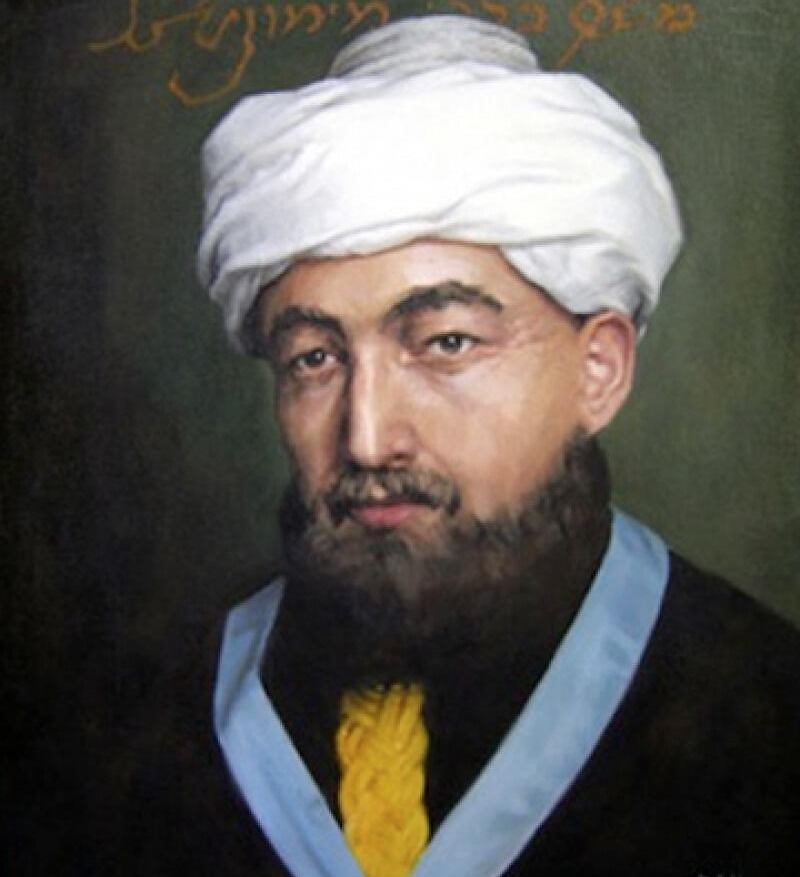
And the yirei Hashem, we're gonna be able to sit, like the Rambam describes at the, describes at the end of Mishneh Torah, that, that, uh, there won't be any more fighting, there won't be any more tzarot, any more difficulties.
The Malbim notes also that the more hashgacha and matana that one is given, the more hakaras hatov one has to have in the form of mitzvot.
Yirei Hashem, Yisrael, so we are given six thirteen 'cause Hashem did so much for us.
The rest of this transcript — segmented and speaker-labeled, so you land on the exact moment something was said
Search every transcript — by keyword, by phrase, or by meaning, across every show Radar indexes
Trends — what is surging across podcasts, measured against its own baseline
Alerts — when a name you follow appears in a newly indexed episode
No account is needed to search Radar.