Sep 12, 2026 · 7 hr 21 min · 68 segments
"Imperialism and World Politics, Part 3 of 4" by Parker Thomas Moon delves into the complex interplay between imperialism and global politics, exploring the dynamics that shape nations and their…
"In India," said Theodore Roosevelt, "we encounter the most colossal example history affords of the successful administration by men of European blood in a thickly populated region in another continent.
It is a greater feat than was performed under the Roman Empire.
Successful administration of the Indian Empire has been one of the most notable and most admirable achievements of the white race during the past two centuries."
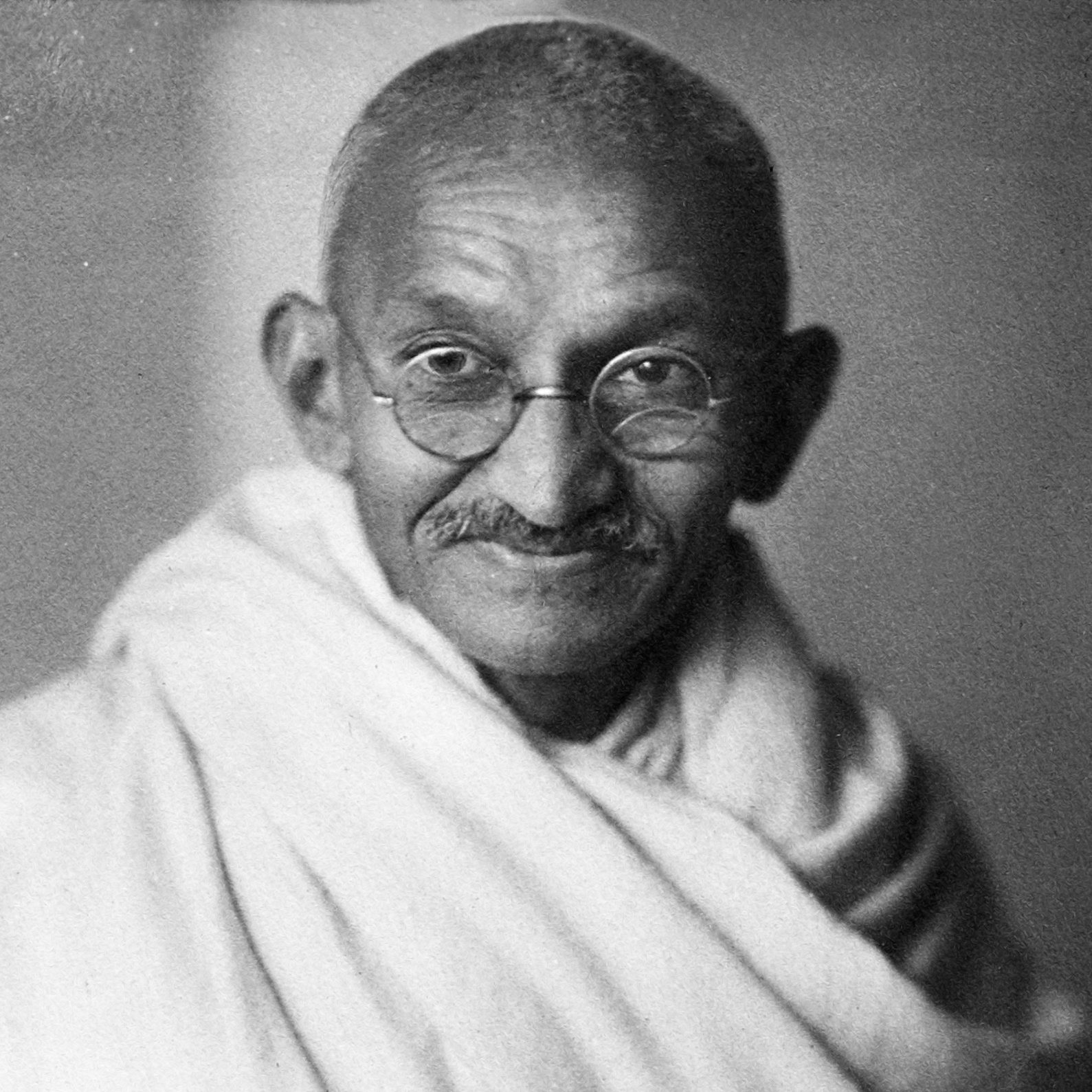
Set this statement against the words of Mohandas Gandhi, the Holy One who led India in passive resistance to British rule in nineteen twenty through twenty-two.
"I came reluctantly to the conclusion that the British connection had made India more helpless than she ever was before.
Politically and economically, the government established by law in British India is carried on for this exploitation of the masses.
No sophistry nor juggling figures can explain away the evidence, the skeletons in many villages present to the naked eye.
I have no doubt whatsoever that both England and the town dwellers of India will have to answer, if there is a God above, for this crime against humanity which is perhaps unequaled in history." Colossal achievement or unequaled crime, or perchance both achievement and crime, British rule in India is unquestionably the foremost example of modern imperialism.
When Indian patriots question the benevolence of British rule, or when British statesmen feelingly speak of England's benefits to India, there is a danger of forgetting that the reason why the British first entered India, and the primary reason they have remained there, was not to benefit India, but to benefit Great Britain.
It may indeed be true, as an eminent British scholar asserts, that "The Emperor of India is the only sovereign known to history who does not draw one penny from the pockets of his subjects." But it is irrelevant.
The plain historical fact is that British rule in India was established for the purposes of commerce.
The social and educational and political reforms which England has accomplished in India, the patriotic pride which Englishmen have learned to take in their great Asiatic Empire, important as they are, nevertheless are byproducts of commercial imperialism.
It was a commercial company, the East India Company, that first established British authority in a part of India.
Commerce was the original purpose.
Unto it were added, later, sentimental and humanitarian motives.
How immense are the British business interests in India, and how rapidly they have grown in the last half-century, may well be emphasized at the very outset.
Take first the capital invested.
Though the precise amount cannot be stated, some rough estimates can be made.
The public debt, that is government bonds of India, much of which is held by British investors, amounts to three point five billion dollars.
The six hundred and thirty-four foreign, chiefly British companies doing business in India, have a paid-up capital of two and one half billion.
Of the five thousand one hundred and ninety-four companies incorporated in India, with a total capital of one billion, a considerable portion are British-owned.
And in addition, there are unincorporated investments.
Footnote.
Sir George Paish estimated British pre-war investments in India at three hundred and seventy-nine million pound sterling, or one billion eight hundred and ninety-five million dollars.
This, however, does not include the important item of British companies doing business with India.
The rest of this transcript — segmented and speaker-labeled, so you land on the exact moment something was said
Search every transcript — by keyword, by phrase, or by meaning, across every show Radar indexes
Trends — what is surging across podcasts, measured against its own baseline
Alerts — when a name you follow appears in a newly indexed episode
No account is needed to search Radar.