Pulling The Thread with Elise Loehnen
Aug 6, 2026 · 59 min · 20 segments
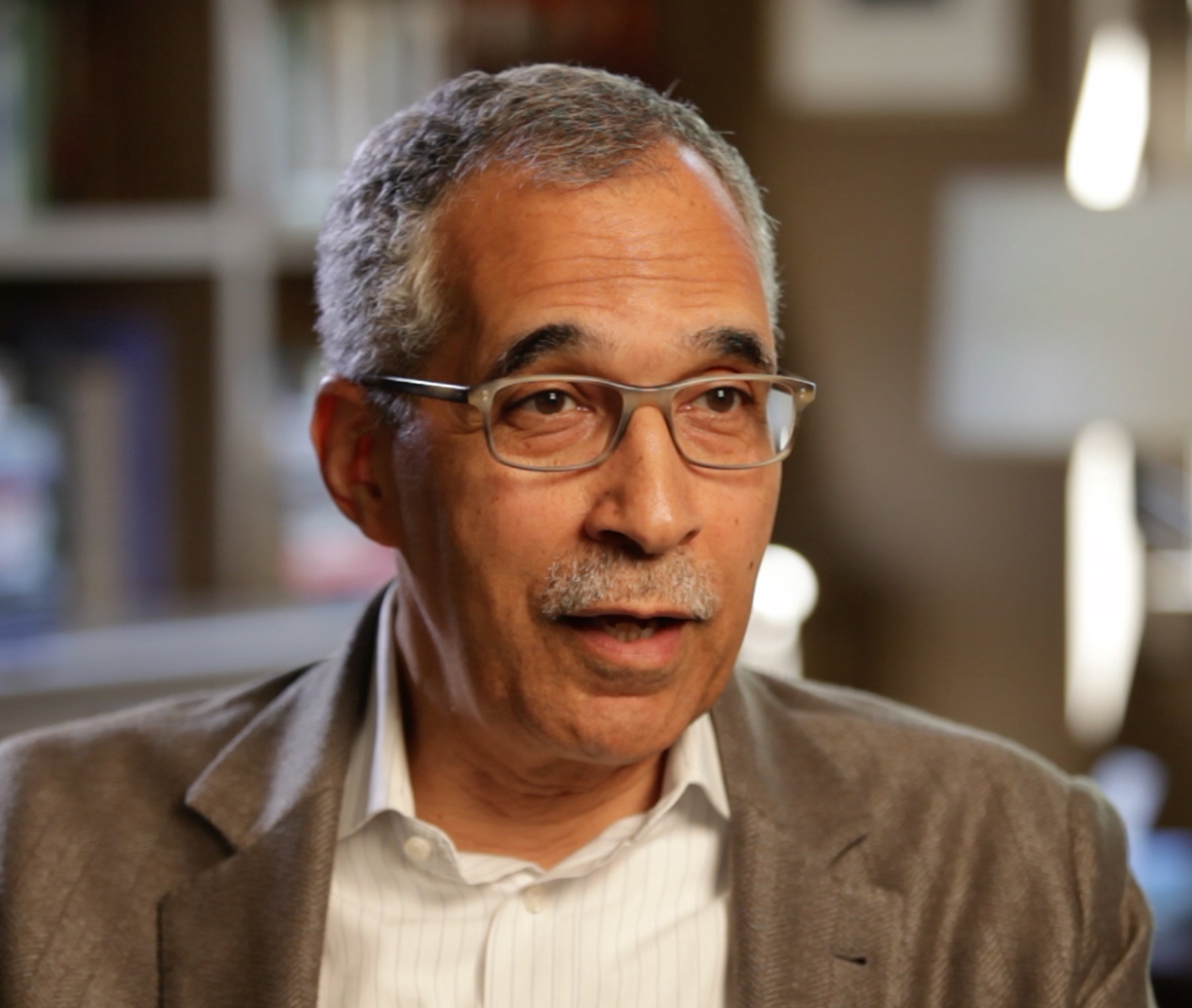
Claude Steele is a social psychologist, a professor of psychology at Stanford University, and the author of *Churn: The Tension That Divides Us and How to Overcome It.* Churn refers to the stress we…
Claude SteeleGuestOkay, so I wanted to tell you a bit about one of the research study that Claude Steele did with Jeff Cohen and Lee Ross.
This was at, done at Stanford, and the question, the simple question was, how can a White professor give critical feedback to a Black student and have that feedback be trusted? And they ran this experiment, and it, it was what they expected, and also always unsettling.
So this gets at this churn that we were talking about.
So he writes, "This finding shows something profound, how stereotypes about an identity that are merely in the air can unsettle trust that is critical for learning or for benefiting from feedback more generally.
This isn't a passing predicament.
It's something that our Black participants will regularly deal with in diverse schools and workplaces throughout their lives.
The attributional ambiguity, as my colleagues Jennifer Crocker and Brenda Major have called it, of not knowing whether critical feedback is warranted or coming from negative stereotypes that are in the air, it was an expected finding.
It fit the reasoning my colleagues and I were developing, but it was nonetheless unsettling to see something so in the air, so abstract and unspoken undermine a critical kind of trust that should be commonplace." Okay, this is where it gets hopeful.
He writes, "On a more hopeful note, the experiment also found a wise way to give critical feedback.
In the c- third condition, the feedback giver said to each participant that he was using high standards in evaluating their work, and that having looked at their essay, he believed that they had the potential to meet those standards.
This signaled to the Black participants that they weren't being stereotyped.
If they were, they wouldn't be held to high standards or have their potential affirmed.
This feedback was water on parched land for Black participants.
And trusting it, they used it to improve their essays.
Three times more of them took their essays home to improve than d- participants in any other condition of the experiment." So that's helpful.
Okay, so I wanted to tell you a bit about one of the research study that Claude Steele did with Jeff Cohen and Lee Ross.
This was at, done at Stanford, and the question, the simple question was, how can a White professor give critical feedback to a Black student and have that feedback be trusted? And they ran this experiment, and it, it was what they expected, and also always unsettling.
So this gets at this churn that we were talking about.
So he writes, "This finding shows something profound, how stereotypes about an identity that are merely in the air can unsettle trust that is critical for learning or for benefiting from feedback more generally.
This isn't a passing predicament.
It's something that our Black participants will regularly deal with in diverse schools and workplaces throughout their lives.
The attributional ambiguity, as my colleagues Jennifer Crocker and Brenda Major have called it, of not knowing whether critical feedback is warranted or coming from negative stereotypes that are in the air, it was an expected finding.
It fit the reasoning my colleagues and I were developing, but it was nonetheless unsettling to see something so in the air, so abstract and unspoken undermine a critical kind of trust that should be commonplace." Okay, this is where it gets hopeful.
He writes, "On a more hopeful note, the experiment also found a wise way to give critical feedback.
In the c- third condition, the feedback giver said to each participant that he was using high standards in evaluating their work, and that having looked at their essay, he believed that they had the potential to meet those standards.
This signaled to the Black participants that they weren't being stereotyped.
If they were, they wouldn't be held to high standards or have their potential affirmed.
This feedback was water on parched land for Black participants.
And trusting it, they used it to improve their essays.
Three times more of them took their essays home to improve than d- participants in any other condition of the experiment." So that's helpful.
The rest of this transcript — segmented and speaker-labeled, so you land on the exact moment something was said
Search every transcript — by keyword, by phrase, or by meaning, across every show Radar indexes
Trends — what is surging across podcasts, measured against its own baseline
Alerts — when a name you follow appears in a newly indexed episode
No account is needed to search Radar.